
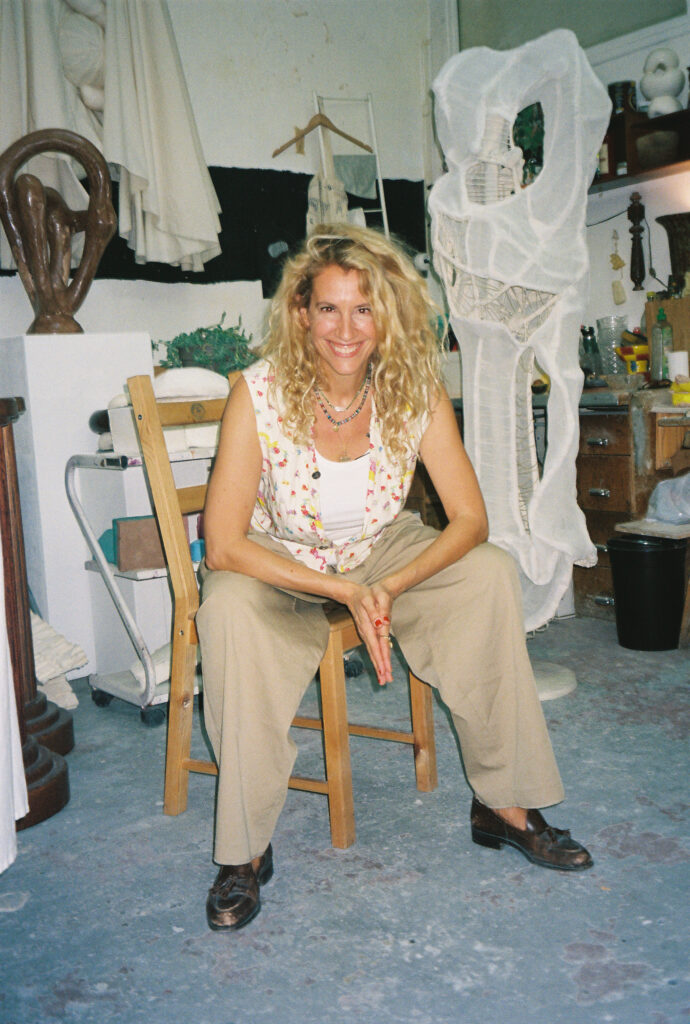
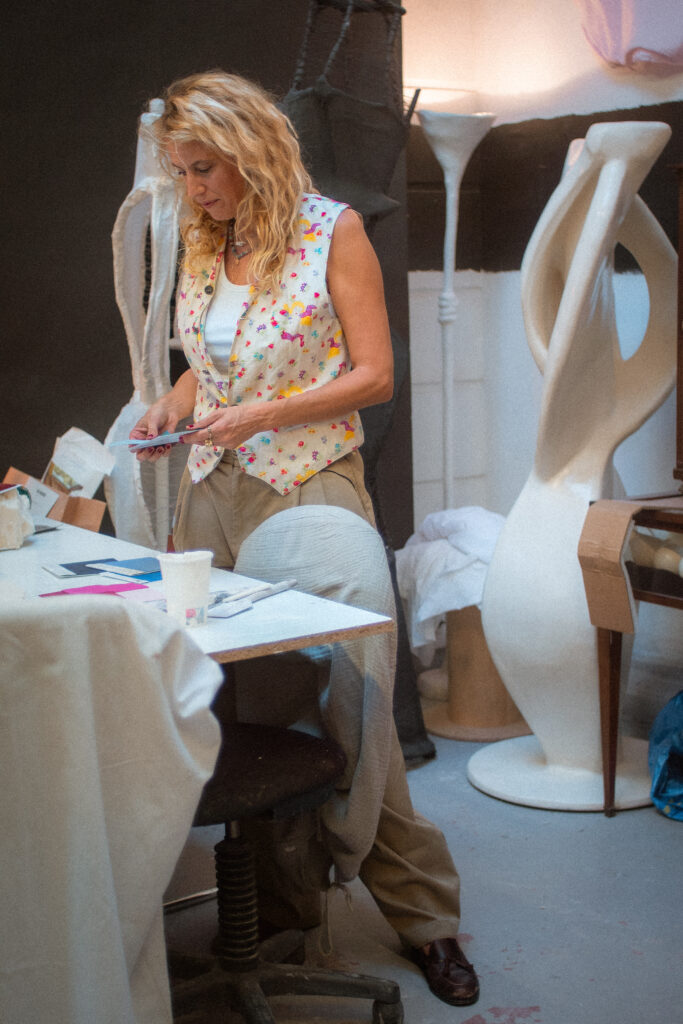
Amélie Caussade‘s journey as an artist began unexpectedly, born from a moment of sudden disruption. In 2009, an injury brought her theater career to an abrupt halt, confining her to her Paris apartment and isolating her from the physical world of performance she had known. It was during this period of stillness that she turned to painting, revisiting childhood memories and discovering a profound sense of freedom through creation. The isolation that might have stifled others instead became a catalyst for exploration. Oil paint, spread in thick became the medium through which she reconnected with herself. The verticality of her forms, the axis of the standing man, and the emergence of her first series, titled “Amen,” reflected a deeper meditation on trust, presence, and human connection to the world around her. Mistakes were inevitable, yet they became lessons, each misstep refining her understanding of form and material.
By 2010, Amélie had established her first studio, a space that would become a laboratory for discovery. She began to move beyond painting, drawn to sculpture as a way to give form to her explorations of the human presence and its connection to the surrounding environment. Introduced to gypsum and plaster through a studio mate and guided by a local sculptor in the Passage de la Main d’Or, she began working with materials that could be manipulated, layered, and cast into permanence. The process became a careful choreography: metal structures forming the skeletons of her pieces, rods twisted and woven with wool, fabrics draped and molded, plaster layered generously to give weight to delicate forms. Through these techniques, Amélie explored contrasts—soft and hard, light and heavy, solid and ephemeral. Her sculptures inhabit space in ways that invite viewers to consider their own relationship to form, color, and presence.

Early in her career, Amélie experimented with geometric shapes, particularly the X, which she considered a fundamental form bridging the infinitely large and the infinitely small. Roots, branches, chromosomes, hourglasses—each echoing a universal rhythm of life. These geometric explorations gradually evolved, giving way to lighter structures where fabric and textiles were as integral as plaster, a dialogue between materiality and perception. Her sculptural series often reference celestial bodies, with Venus, Jupiter, and Mercury serving as anchors for reflection on human existence, our feet on the ground and our heads in the clouds. Performances incorporating dancers and costumes echo the influence of Sophie Taeuber-Arp and the early Dada movement, connecting visual art to movement and the performative energy of life itself.
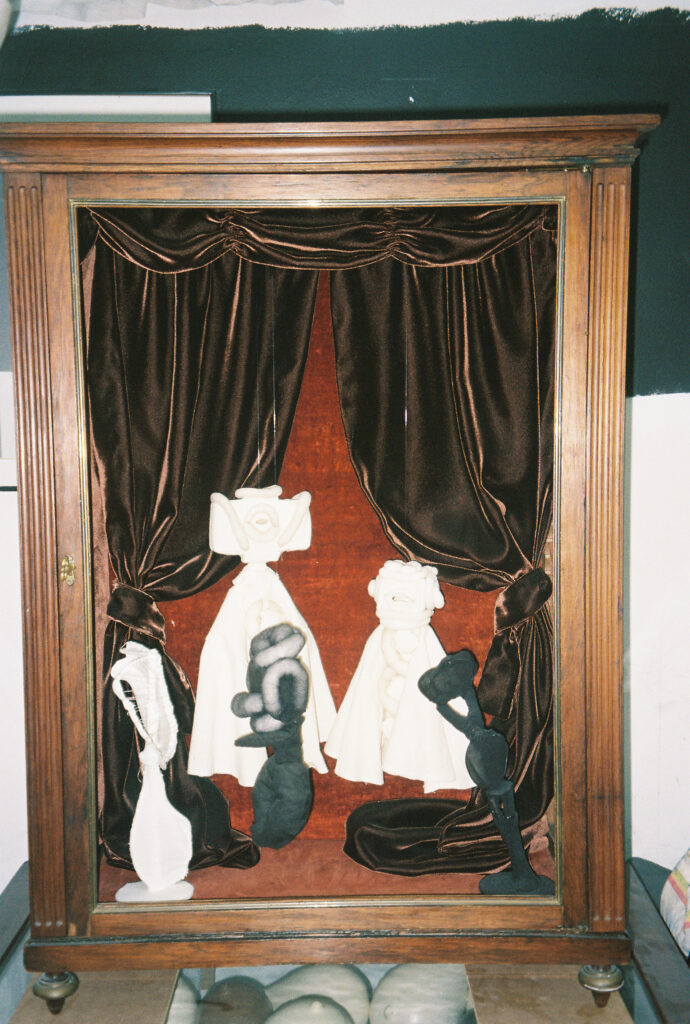
Color has always been central to Amélie’s practice. Early works explored black and white to harmonize with dance and costume, while more recent explorations embrace vibrant gradients—orange, yellow, sky blue, burgundy, green, purple—each color a part of a dialogue between material, light, and perception. Experiments with gradients in both fabric and plaster illustrate her dedication to precision and serendipity, seeking combinations that resonate visually and emotionally. The process of testing, revising, and refining is as much a part of the work as the finished piece, reflecting her belief in the sacredness of the act of creation itself.
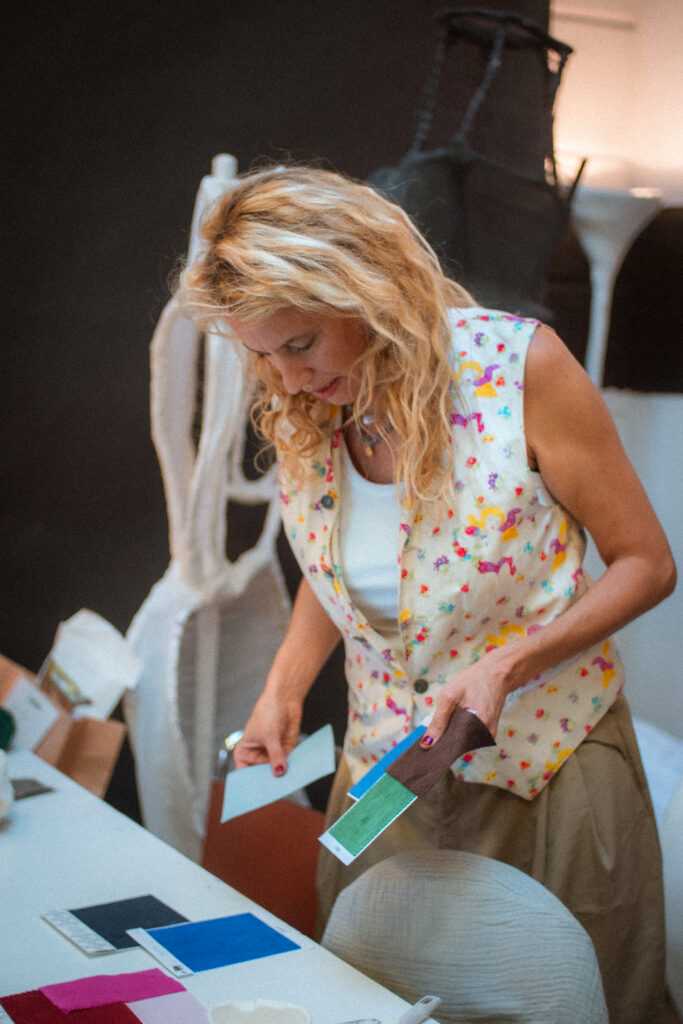
Collaboration has played a vital role in Amélie’s artistic development. Working alongside assistants and peers, she engages in group reflection that stimulates creativity, challenges assumptions, and reinforces her commitment to experimentation. Even in her studio, where solitary work is essential, the presence of others enriches the creative process. Her aspiration to immerse herself in long-term residencies, ideally abroad, reflects a desire to explore cultural contexts and deepen her engagement with space, material, and community.
Amélie’s career continues to expand in scope and ambition. Participation in major exhibitions such as Art Basel Paris provides opportunities to showcase new work, often large-scale sculptures complemented by wall compositions or fabric pieces. Each project is a negotiation between material, form, and concept, a process that blends discipline with intuitive exploration. Her influences—Henry Moore, Jean Arp, Sophie Taeuber-Arp, Josef Albers, Ilma Abklin, Étienne Martin—provide both inspiration and a lineage, situating her work within a dialogue that spans generations and geographies.
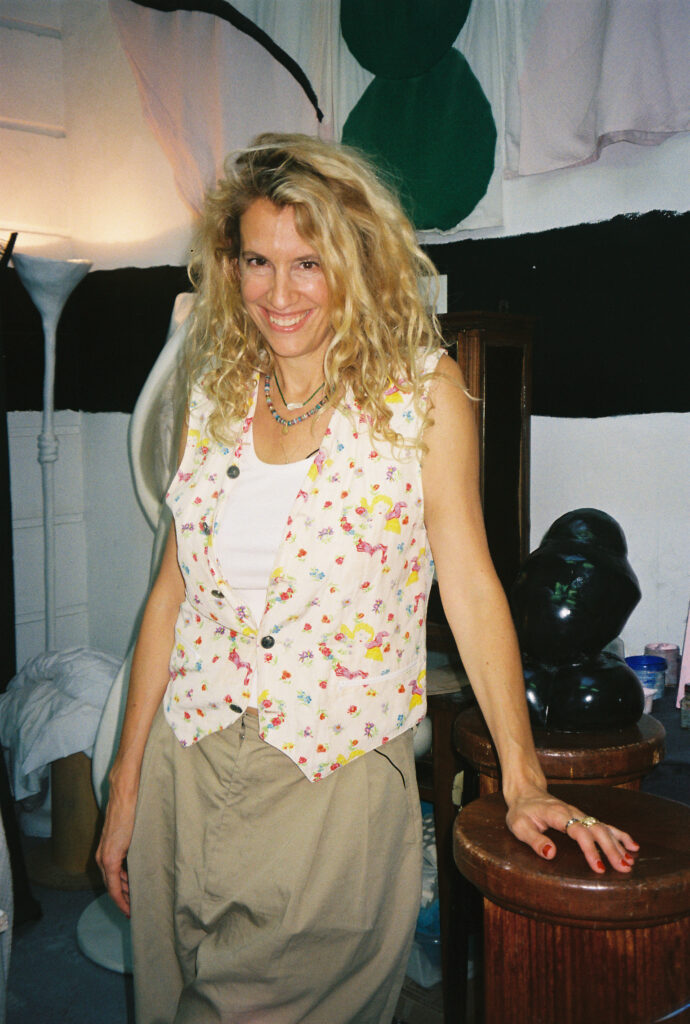
Through her sculptures and installations, Amélie invites viewers to pause, to consider their own place in the world, to engage with the question of balance between earth and sky, presence and possibility. Her work embodies a delicate tension between the ephemeral and the enduring, the playful and the profound, and the personal and the universal. In her studio, amidst plaster dust and stretched fabric, Amélie continues to explore, experiment, and expand her language of form and color, offering art that encourages reflection, curiosity, and wonder.
Help support Timestamp (we’re an Amazon Associate) when you buy art supplies with our affiliate links (we earn a small commission at no extra cost to you):
Shop for Gypsum: https://amzn.to/4oamBZr
Shop for Plaster: https://amzn.to/3JhxTMx
Shop for Sculpting Tools: https://amzn.to/48SxdYu
Shop for Canvas: https://amzn.to/4nG9q1I
Shop for Brushes: https://amzn.to/4nJQJdQ
Sam Branden
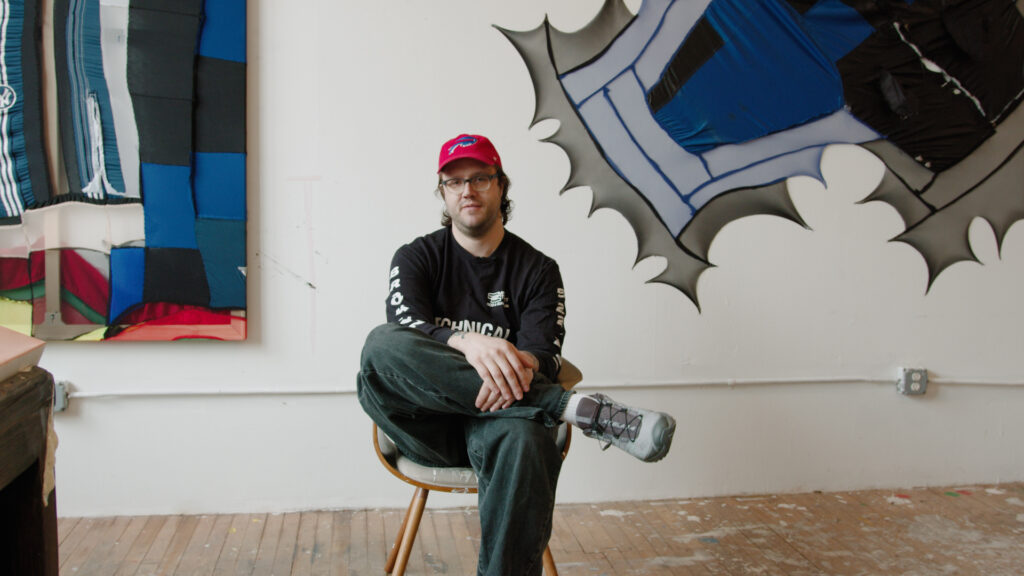
There is a moment early on where Sam Brandon admits something that feels both fragile…
Amy Bravo
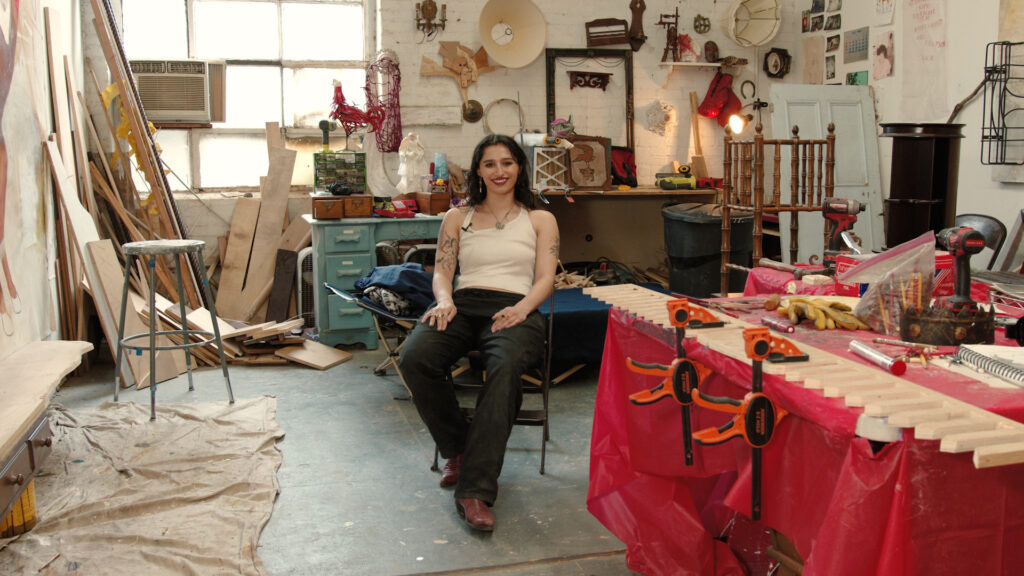
Amy Bravo’s work unfolds as a raw, layered exploration of emotion, memory, and identity. An…

Björn Heyn
Björn Heyn does not describe his studio as a workplace. He calls it a playground….
Hugo Winder-Lind
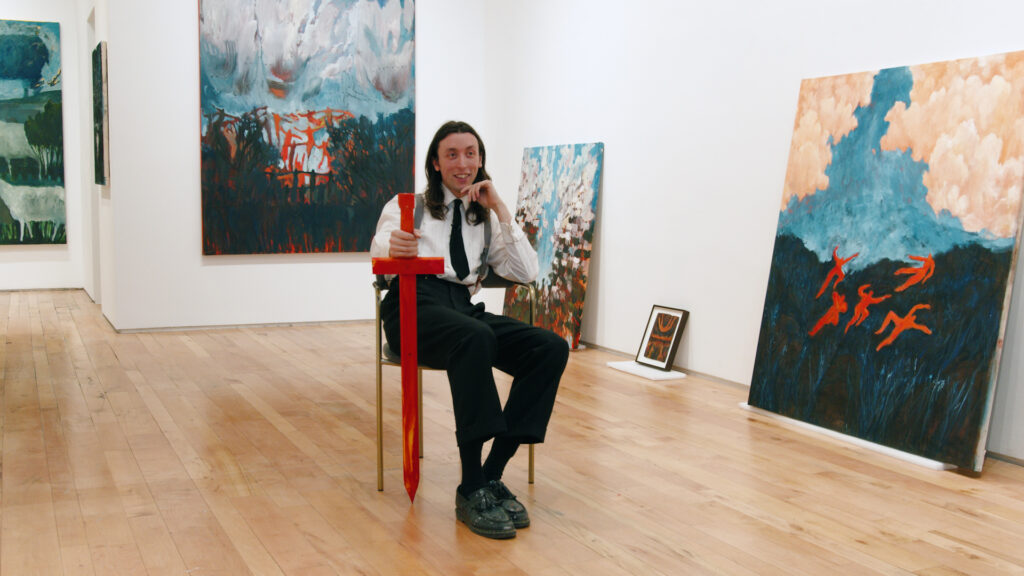
Hugo Winder-Lind does not talk about art as if it is something that can be…

What Curators Are Looking For in 2026: Insights From Across the Art World
In 2026, curators aren’t just responding to aesthetic trends – they’re shaping how art is…
Ranny Macdonald
Ranny Macdonald describes painting as a threshold experience, a place where something begins to take…