
As artificial intelligence reshapes industries and automation absorbs repetitive work, creativity has become one of the few skills machines still struggle to replicate authentically. Colleges across the United States are responding by expanding art programs, investing in interdisciplinary creative spaces, and encouraging students to combine artistic talent with entrepreneurship, technology, and innovation.
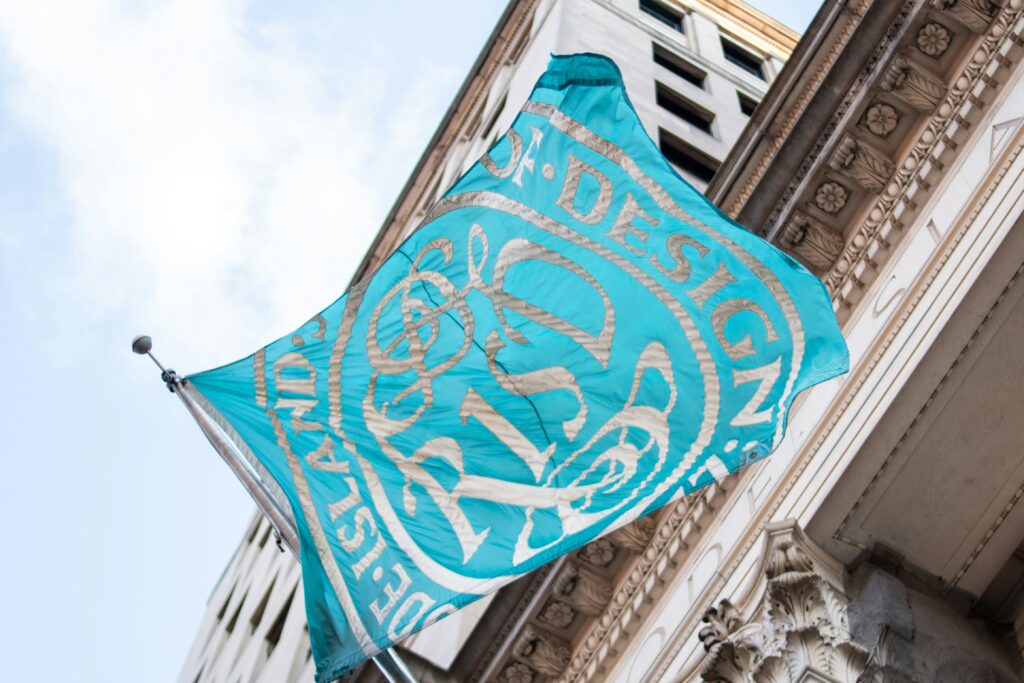
Rhode Island School of Design
Leading this transformation is the Rhode Island School of Design. RISD continues to evolve by encouraging collaboration between fine arts, architecture, technology, and design thinking. The school has incredible funding and resources, with recent news including:
- The development of Master of Arts in Design Engineering Program, in Collaboration with Brown University
- Tiffany & Co. donating precious pearls to RISD’s Jewelry + Metalsmithing Department
University of Hawai’i at Mānoa
Meanwhile, at the University of Hawai’i at Mānoa, creativity is being shaped through the relationship between art and nature. Luke Thomas began pursuing art during his freshman year of college, despite originally planning a future around environmental engineering. While funding for the arts department in Hawai’i may be limited, the passion within the program remains powerful. His story reflects a growing truth in creative education: some of the most innovative artists emerge from interdisciplinary curiosity rather than traditional artistic paths alone.
Syracuse University
At Syracuse University, art education is becoming increasingly entrepreneurial. Syracuse has invested in collaborative creative spaces like the Comstock Art Facility, where students are encouraged to experiment not only artistically but professionally. Stella Kogan, a studio arts major in the College of Visual and Performing Arts, transformed a space at the Comstock Art Facility into an art gallery called 044 Comstock, alongside her co-founder Evangeline Berg. Their work demonstrates that art and business are not opposing forces.
Syracuse’s approach reflects a broader shift happening across higher education: artists are no longer being trained only to create work, but also to build communities, brands, and sustainable careers around their ideas.
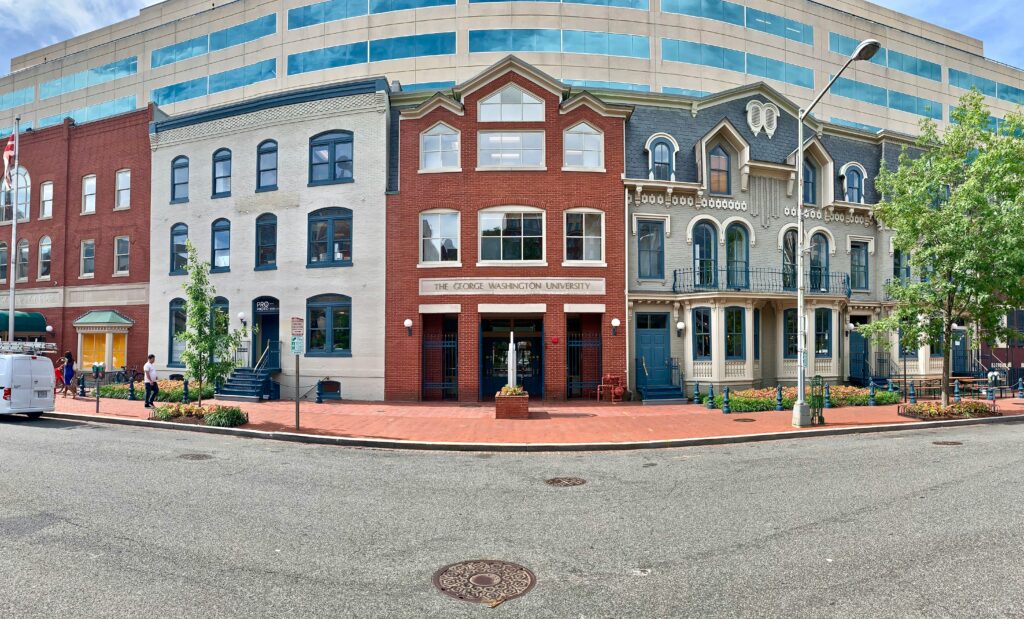
George Washington University
The Corcoran School of the Arts and Design at George Washington University has emerged as another major player in contemporary art education. Located in Washington, D.C., the Corcoran combines fine arts with politics, activism, journalism, and media in a way that feels uniquely modern.
In 2023, a new agreement between GWU and the National Gallery of Art began an initiative to facilitate immersive learning, art-making and interdisciplinary research. The partnership includes an opportunity for students, artists, and community members to collaborate and learn with National Gallery Experts.
The school reflects how art is increasingly tied to communication and influence rather than existing separately from the rest of society.
Pratt Institute
Pratt Institute in Brooklyn has also expanded opportunities for students pursuing creative careers. Located in the center of New York City’s art and fashion ecosystem, Pratt gives students access to internships, galleries, design firms, and collaborative projects throughout the city. In a recent development, a new 4 year collaboration between Undergraduate Architecture Programs at Pratt and University of Miami focuses on re-building the future of housing in two coastal cities facing change.
If you are a young artist considering pursuing a creative degree in college, don’t be alarmed by the existing labels. In today’s market, there is nothing more valuable than authenticity, and institutions across the country are making sure to keep up with the rising demand for translating the current landscapes into art.
About the Author
Aneliya Lahunchyk is a student writer covering modern art and the evolving technological world. Based in Washington, D.C., her work explores the intersection of art, policy, and technology.
Stéphane Koyama-Meyer
French visual artist and designer based near Basel, Stéphane Koyama-Meyer grew up surrounded by art,…
Yuval Bezalel
For Yuval Bezalel, painting begins with the hands, before there is a narrative, before there…
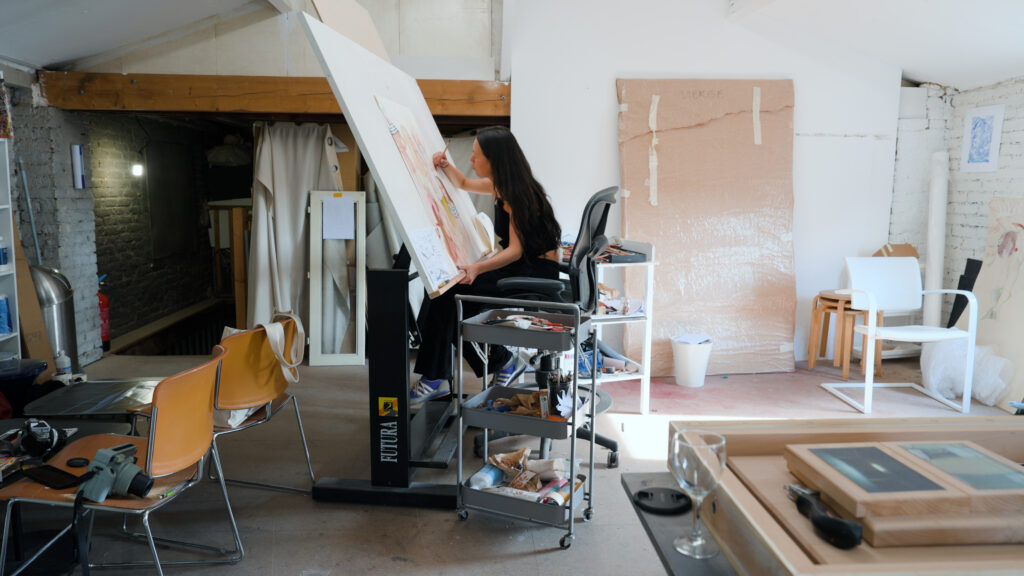
Adèle Aproh
For Adèle Aproh, drawing began long before she knew it could become a career. Her…
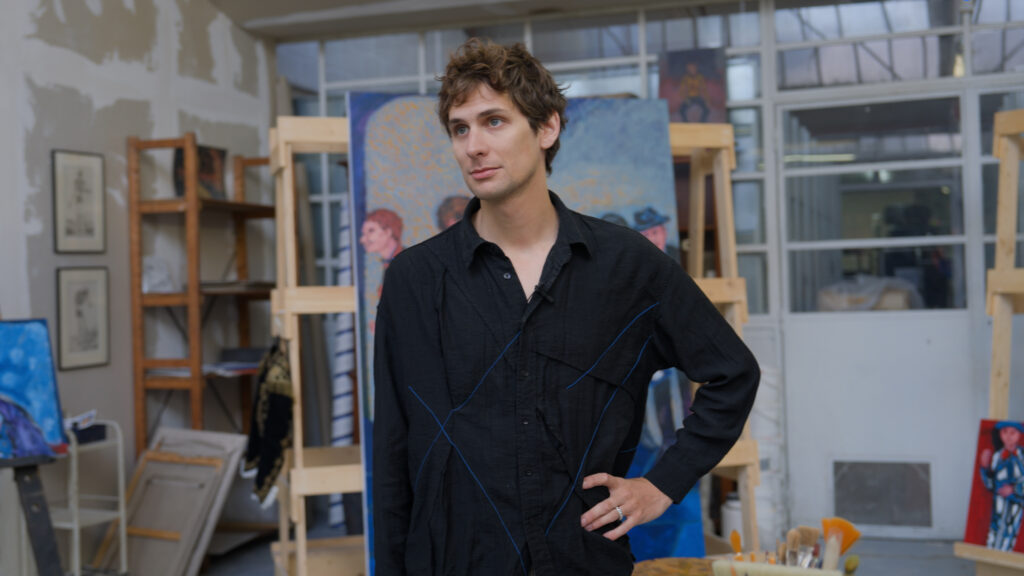
Félix Deschamps Mak
Félix Deschamps Mak is a French painter based in Paris, working in large scale figurative…
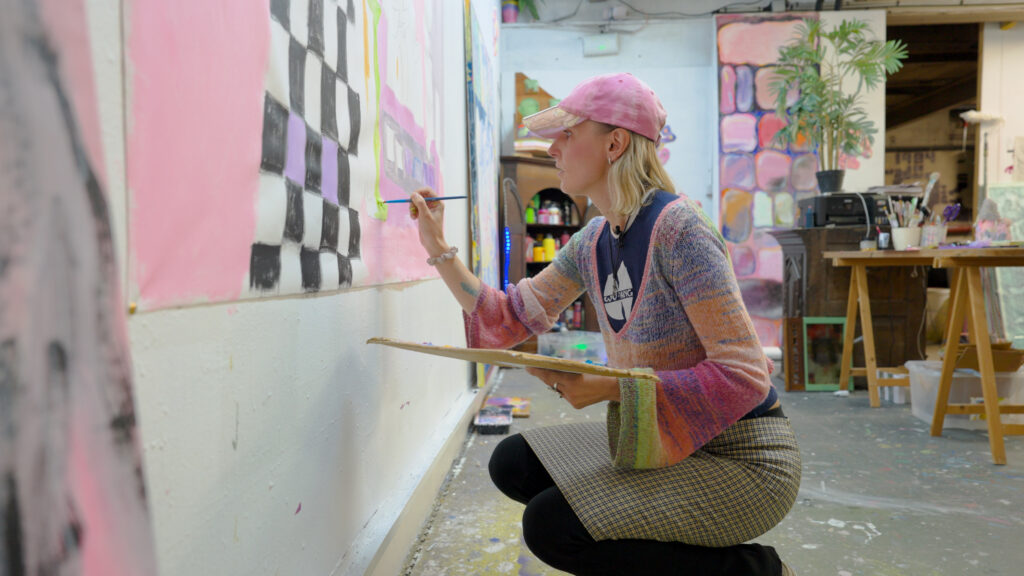
Katya Quel
Katya Quel is an artist and multidisciplinary creator, born and raised in Moscow, who now…
Why Dia Beacon Deserves a Full Day of Your Attention
There are museums you visit to check a box. And there are museums that quietly…