
In 2026, curators aren’t just responding to aesthetic trends – they’re shaping how art is seen, understood, and connected to the wider cultural moment. From community engagement to deeper thematic frameworks, what curators prioritize reveals not only what gets shown in galleries and museums, but what gets remembered. Below, we unpack what curators are prioritizing in 2026 – with voices and examples from around the global art ecosystem.
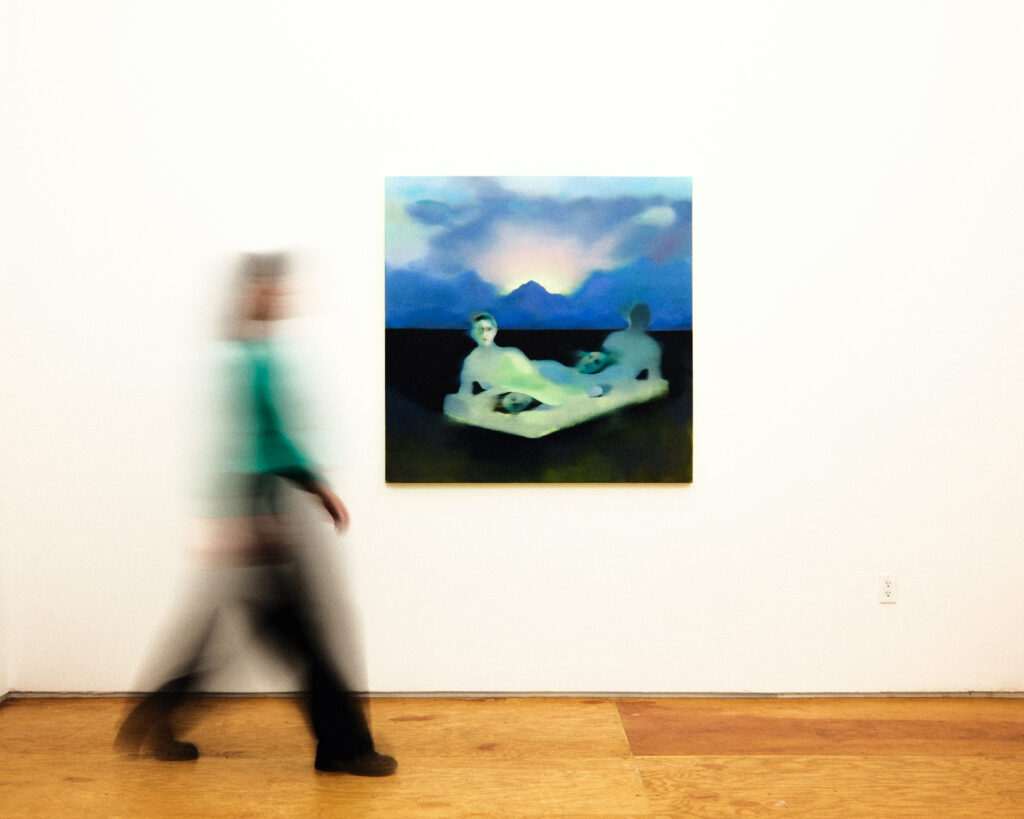
1. Curators Are Prioritizing Authentic, Context-Rich Practice Over “Surface Appeal”
According to industry insight, a recurring theme among curators today is that decisions are less about what looks good and more about why it matters.
Curators look for artists who demonstrate:
- Meaningful engagement with theme or concept
- Contextual fit within a larger exhibition narrative
- Public engagement or evidence of resonance beyond the studio
As one art industry resource explains, curators often evaluate not just the quality of individual works, but how they interact with each other, the space, and audiences. This includes how the work fits into a broader narrative or mission of a show.
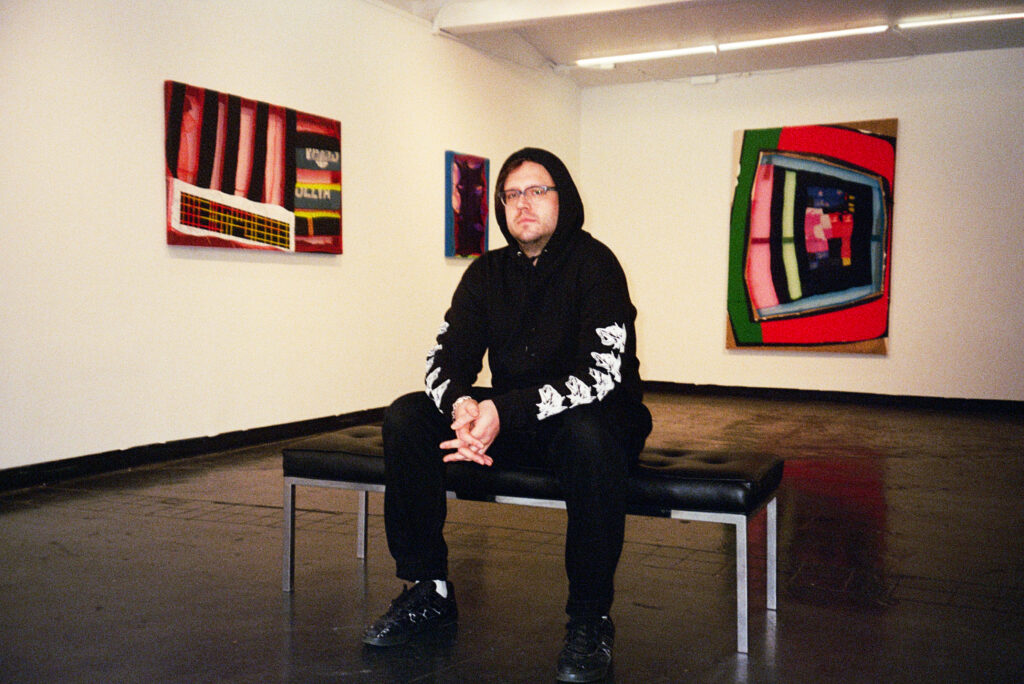
This focus on contextual relevance and authentic voice mirrors what we’ve seen in key trends shaping the art world in 2026 – where materiality, lived experience, and cultural interrogation increasingly outweigh the latest aesthetic fad (see our breakdown in 2026 Trends in Contemporary Art).
2. Accessibility, Inclusion & Curatorial Responsibility Are Central, Not Performative
2026 brings with it a growing critique of tokenistic inclusion. Curators are moving toward frameworks that make space for underrepresented voices in substantive, not superficial, ways.
For example, in Dis_Place – a recent exhibition curated by Nathalie Boobis at Disability Arts Online – the curator made inclusion part of the structural logic of the show itself, with accessibility integrated into its core presentation rather than appended as an afterthought. Exhibition design included features such as easy-read texts and British Sign Language interpretation, reflecting an intentional curatorial stance on accessibility.
This shift matters: It indicates that in 2026 curators increasingly view curation as advocacy – and audiences and institutions are beginning to hold exhibitions to that standard.
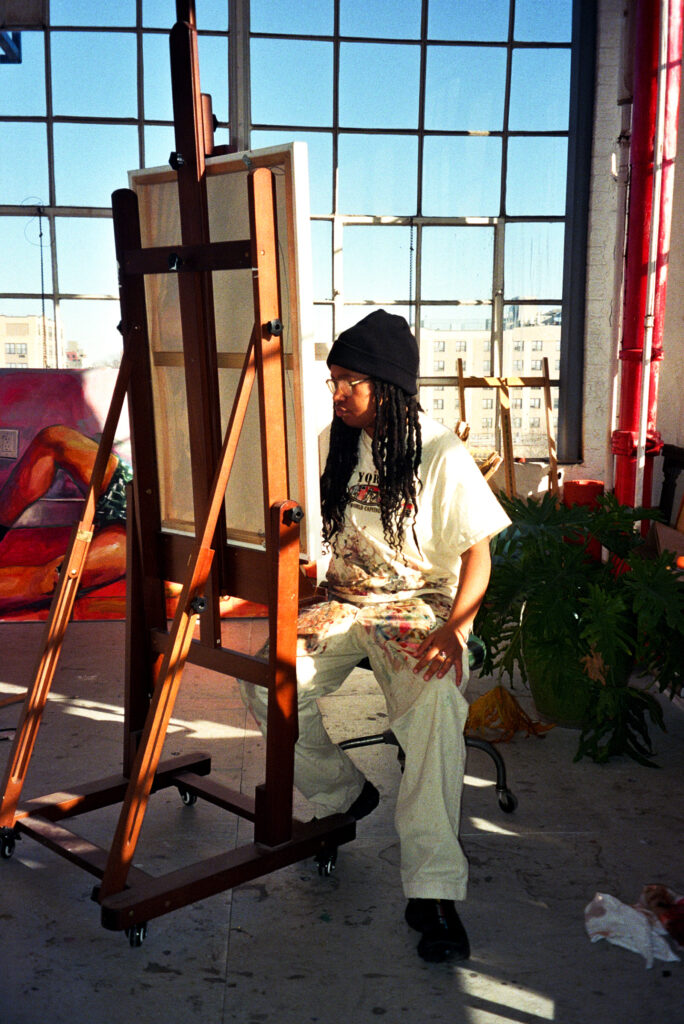
3. Curatorial Vision Often Extends Beyond the White Cube
Curators in 2026 are expanding where and how art is shown. Curated projects increasingly unfold in hybrid spaces beyond traditional gallery walls incorporating:
- Multidisciplinary design
- Immersive or non-institutional venues
- Curators outside the conventional museum track
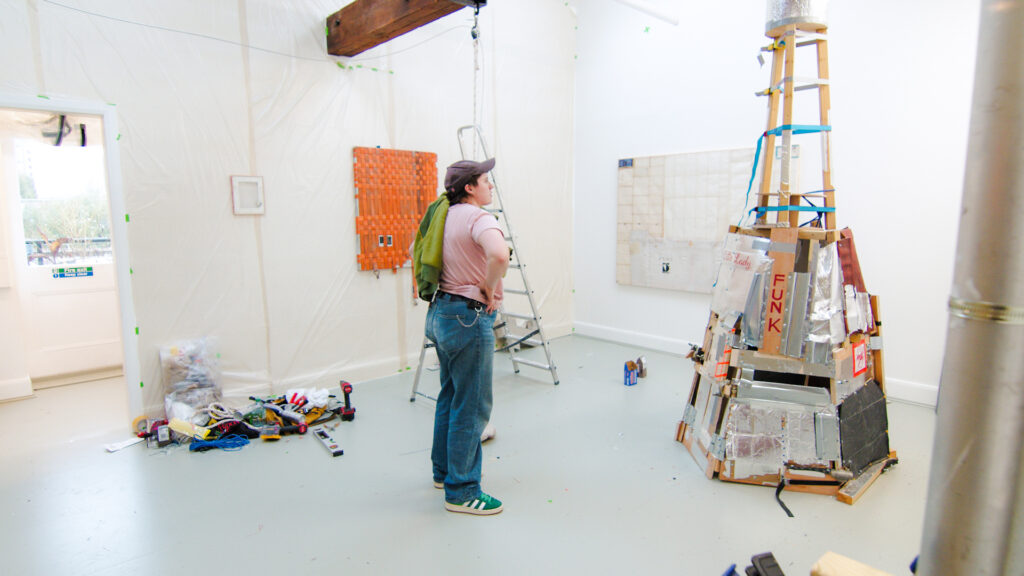
Increasingly, curators in 2026 are looking beyond the traditional museum track and inviting voices from adjacent disciplines including designers, architects, writers, and artists themselves to shape exhibitions. This shift expands curatorial authorship and reframes exhibitions as spatial narratives rather than static presentations. The result is a more immersive, interdisciplinary approach that blurs the boundaries between artwork, environment, and lived experience emphasizing storytelling through space rather than simply arranging objects on walls.
That’s a powerful indicator: curators are deliberately embracing non-traditional exhibition formats to reach broader audiences and create experiential moments that resonate beyond gallery circuits.
4. Community, Collaboration & Curatorial Networks Are Increasingly Valued
Curators are also emphasizing collaboration. Not just between artists, but between institutions, communities, regions, and artistic disciplines.
Recent announcements around the Bengal Biennale highlight a renewed curatorial vision emphasizing collective engagement and multiplicity of voices in exhibition design. This biennale’s approach reflects an emerging priority toward collective frameworks where curators work with broad networks rather than in isolation.(The Times of India)
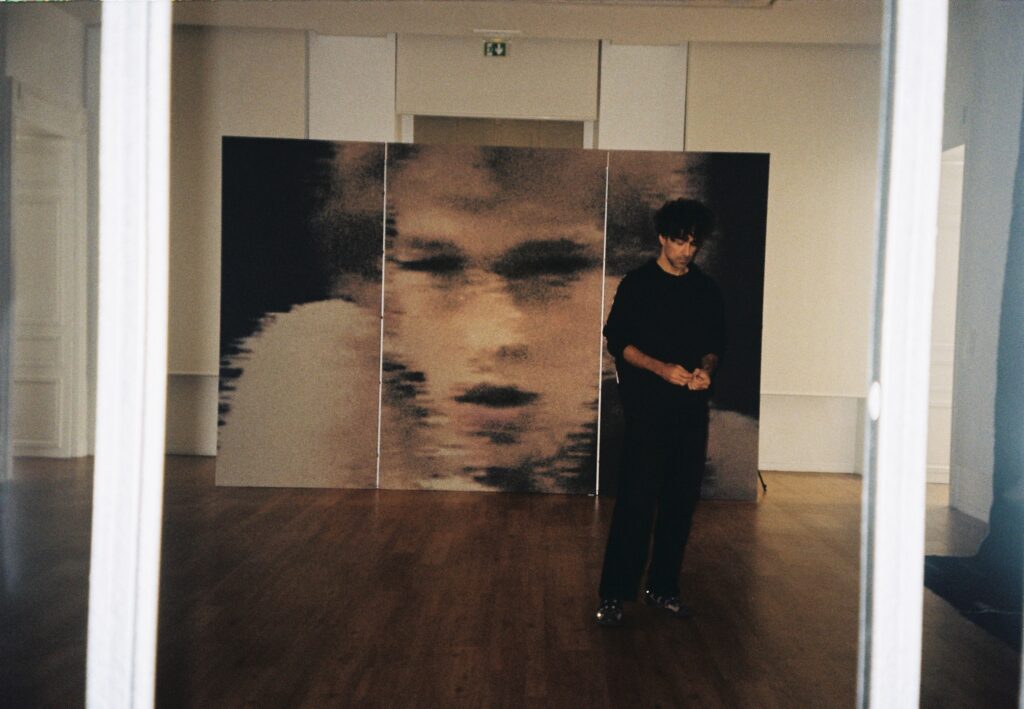
Such collaborative models challenge the traditional curator-centered paradigm and signal a move toward shared authorship, community input, and cross-cultural dialogue.
5. Curators Are Responding to Technology With Nuance, Not Hype
Technology, particularly AI and digital media, continues to shape contemporary practices. But curators in 2026 are increasingly cautious about how these tools are integrated.
While not all curators reject technology outright, many are approaching tech not as a default medium but as a critical subject. Digital elements are curated when they contribute to discourse, not just for spectacle or virtual novelty.
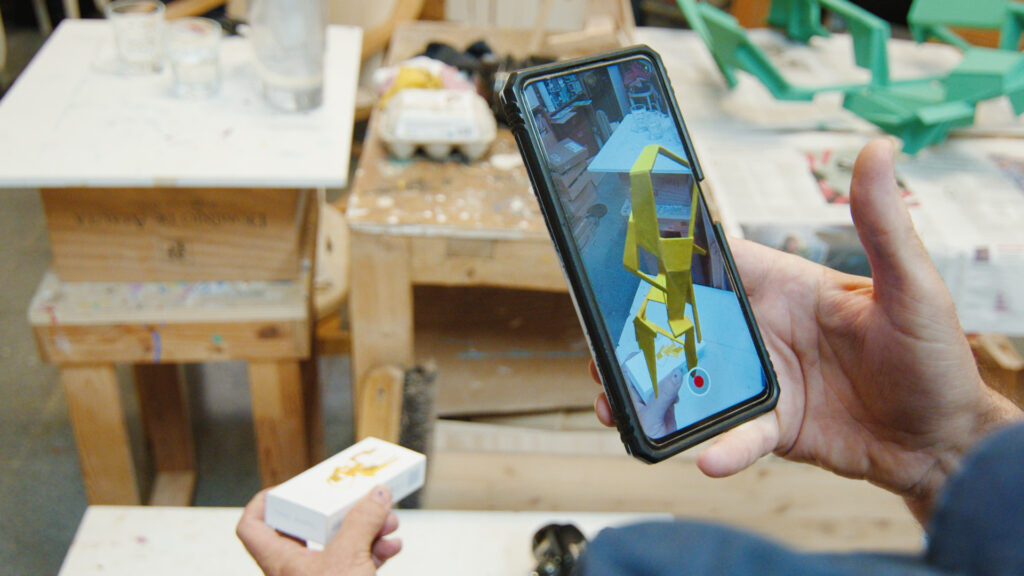
This aligns with broader scholarly research and debate about the role of technology in curation – especially how digital tools influence perception and interpretation. For example, recent academic work has examined how generative AI models have historically shaped visual stereotypes of curators and how that impacts cultural representation.
This shift from ‘use for use’s sake’ to ‘critical engagement’ underscores a larger 2026 curatorial priority: Why is this tool meaningful in this context?
6. Curators Are Looking for Artists Who Can Stand Up to Critical Contexts
Finally, 2026 curators are less likely to include work that doesn’t engage with an exhibition’s intellectual frame even if it’s visually compelling.
While Reddit discussions among art professionals remind us that curators still structurally evaluate portfolios based on fit, networks, and relevance, not random first-come submissions, the core principle remains the same: curators curate for conversation, not just aesthetics.
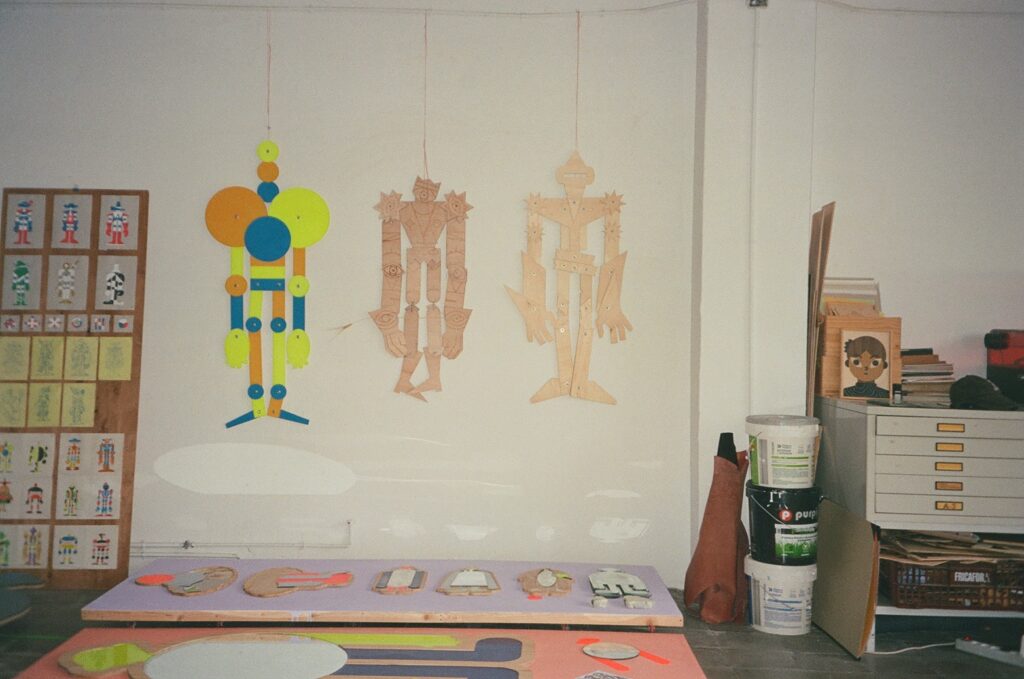
This means that for artists, being part of a compelling curatorial story requires:
- A cohesive body of work
- Clear engagement with concept and context
- Resonance with the exhibition’s overarching framework
What This Means for Artists in 2026
Curators today are:
- Valuing context over trend
- Prioritizing genuine engagement over surface appeal
- Expanding audience accessibility and inclusion
- Experimenting with spaces, formats, and collaborators
- Treating technology as subject, not novelty
- Looking for artists who can hold critical space in exhibition narratives
For artists aiming to be exhibited or even simply conversed about these aren’t just nice-to-knows, they’re the structural signals shaping how art is selected, framed, and remembered in 2026.
What Curators Are Looking For in 2026: Insights From Across the Art World
In 2026, curators aren’t just responding to aesthetic trends – they’re shaping how art is…
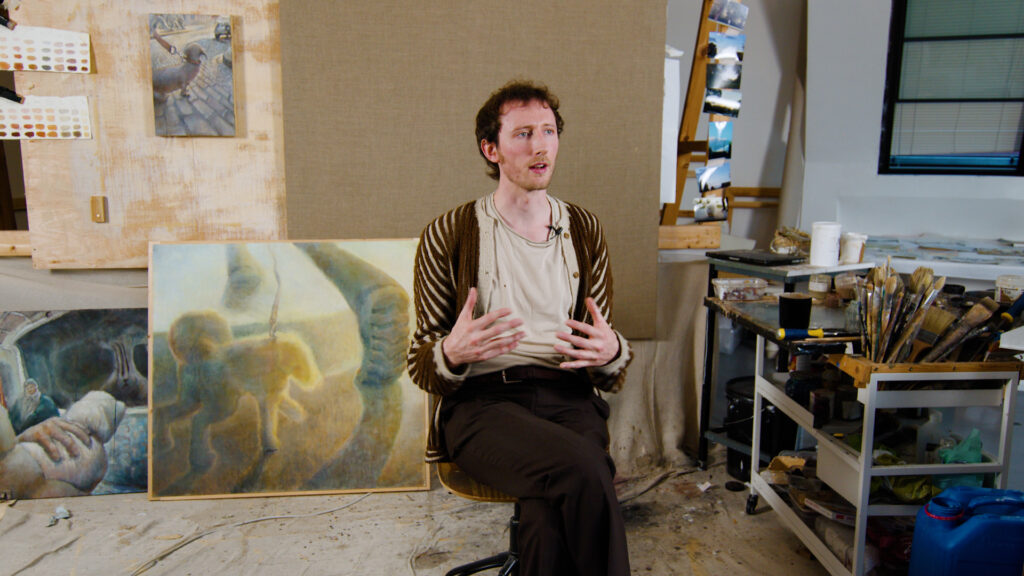
Ranny Macdonald
Ranny Macdonald describes painting as a threshold experience, a place where something begins to take…
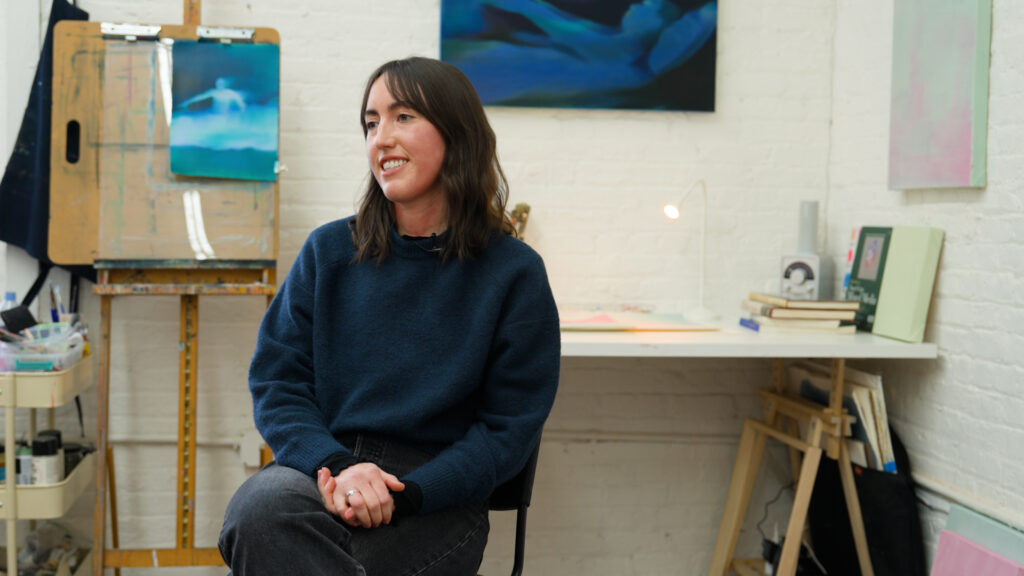
Cathleen Clarke
Cathleen Clarke has always been drawn to the spaces where memory begins to thin out….
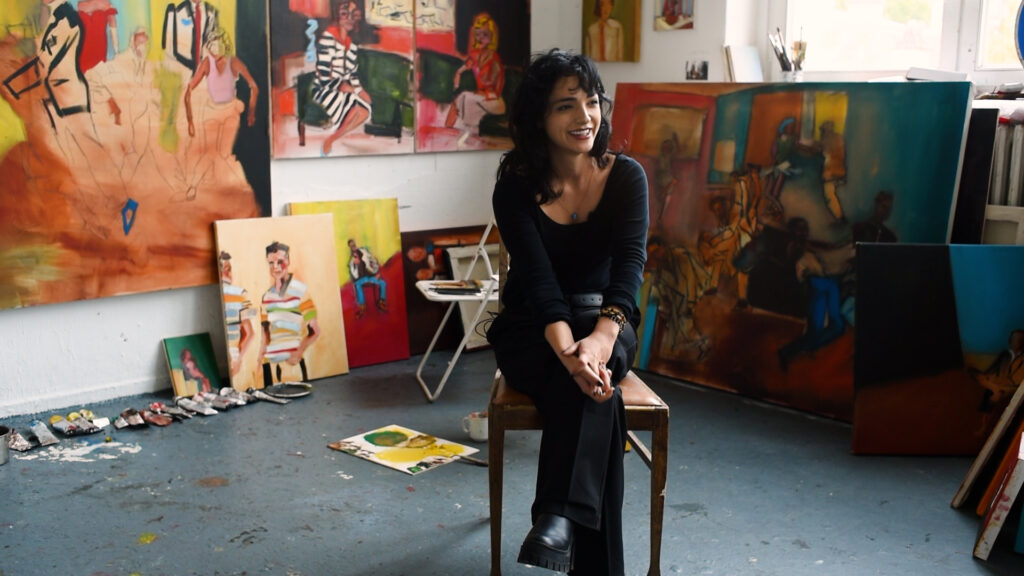
Kara Su
Born and raised in Berlin with Kurdish roots, Kara Su grew up far from the…
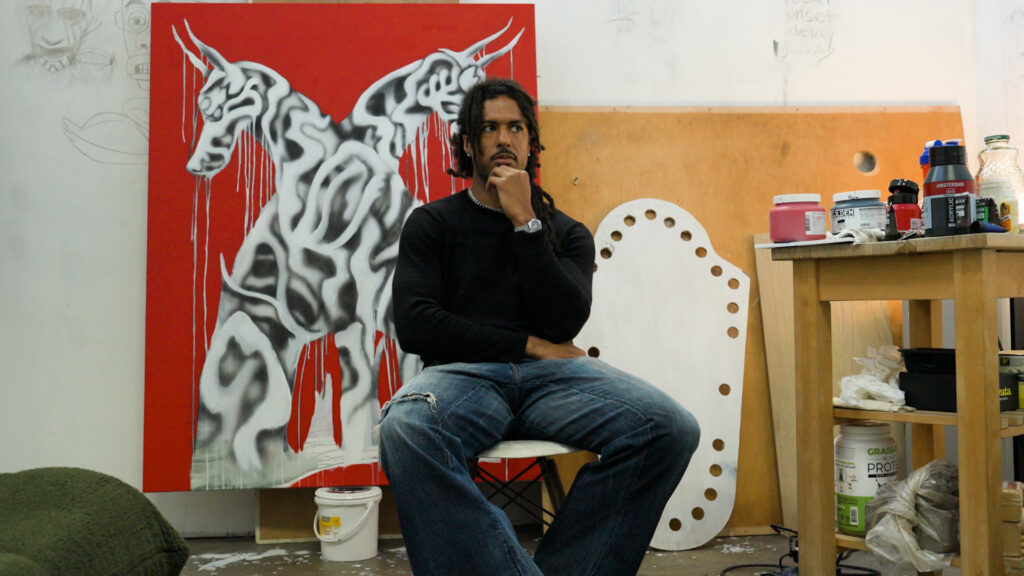
Logan Sylve
For Logan Sylve, painting is a steadfast companion. “I feel like painting is my first…
Mario Picardo
Mario Picardo approaches painting as a space of personal freedom. The studio is not a…