Contemporary art in 2026 is evolving at an unprecedented pace. As the art world continues to respond to cultural shifts, technological breakthroughs, and changing audience expectations, several key trends are emerging that are shaping both creation and reception. At the forefront of this discussion are the voices captured in Timestamp’s ongoing interview series — conversations with working artists, thinkers, and makers that provide real insight into what matters most in today’s creative culture.
1. Art as a Lifelong Calling — Not Just a Career
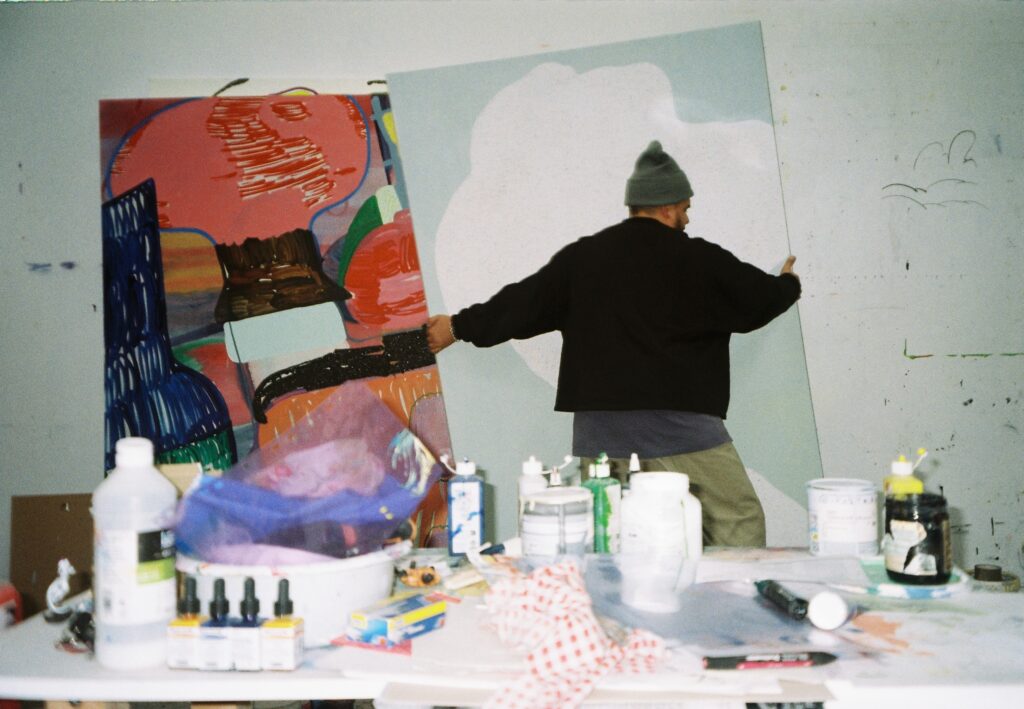
One theme that recurs across Timestamp interviews is the idea that being an artist is more than a profession — it’s a calling.
“Being an artist is not a choice, it’s a calling…”
Marie-Amélie Chéreau
This perspective reflects a broader trend in 2026: artists are prioritizing authentic creative impulse over commercial success alone.
2. Reclaiming the Human Touch Against Digital Uniformity
Across galleries and studio spaces, there’s a growing preference for works that visibly show the hand of the artist. This includes rich materiality, textured surfaces, and approaches that foreground human labor. According to contemporary art trend analyses, this return to tactile processes and evident craft stands in direct contrast to the slick, algorithm‑friendly outputs of prevalent digital tools.
This aligns with a theme Timestamp artists often articulate: the feeling of living inside materials rather than controlling them — a philosophy Aidan Lapp returns to often throughout his work.
3. Mixed Media & Sensory‑Rich Art Is Making a Comeback
Multi‑material practices are becoming more prominent in 2026 as artists seek to craft immersive experiences that go beyond visual observation. Works that combine paint, fabric, digital layers, and found materials invite deeper engagement and challenge traditional categorizations of “fine art.”
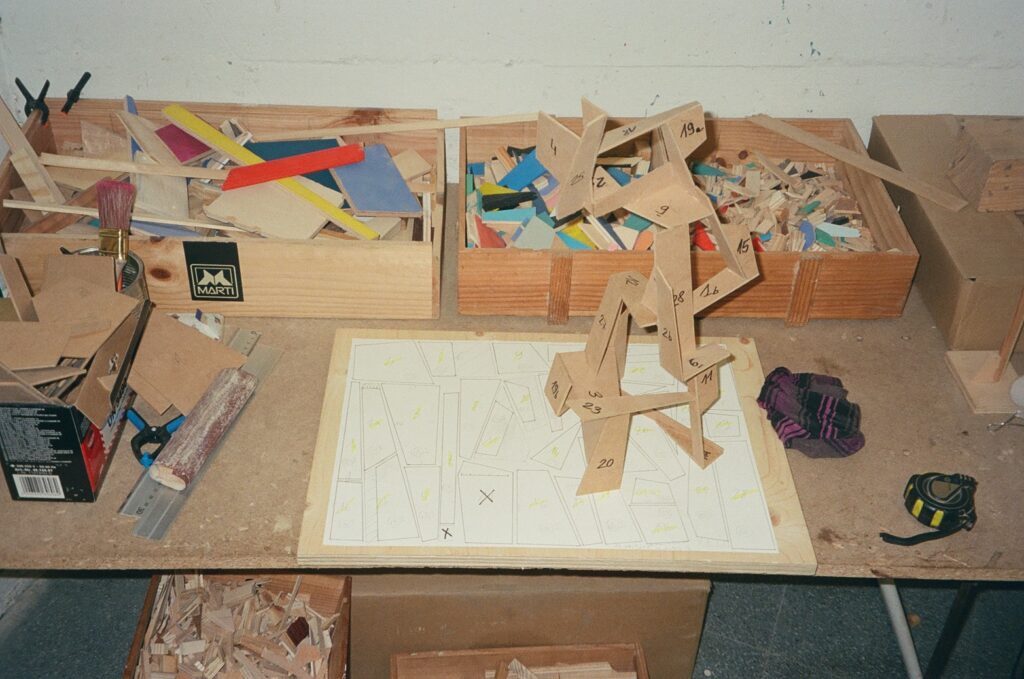
Barcelona-based sculptor Marc Sparfel noted that the joy of making is rooted in how materials interact, rather than in achieving technical perfection — a sentiment that echoes this broader mixed‑media resurgence.
4. Eco‑Conscious Art & Sustainable Practices
Environmental concerns are continuing to shape creative choices. Sustainability in art isn’t just a trend — it is becoming a standard of practice. Artists are working with bio‑based materials, reclaimed objects, and natural pigments that emphasize ecological intention and narrative depth.
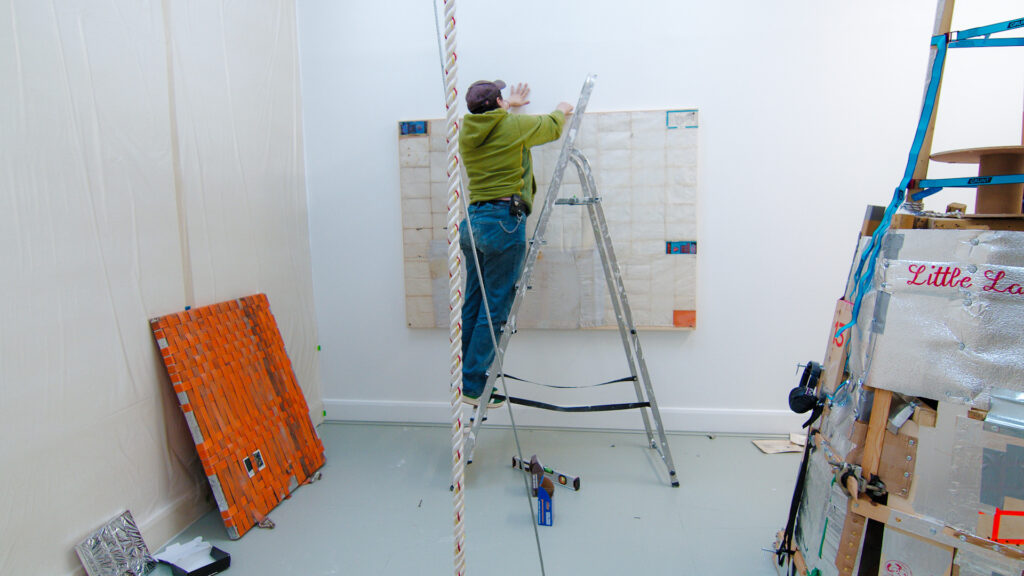
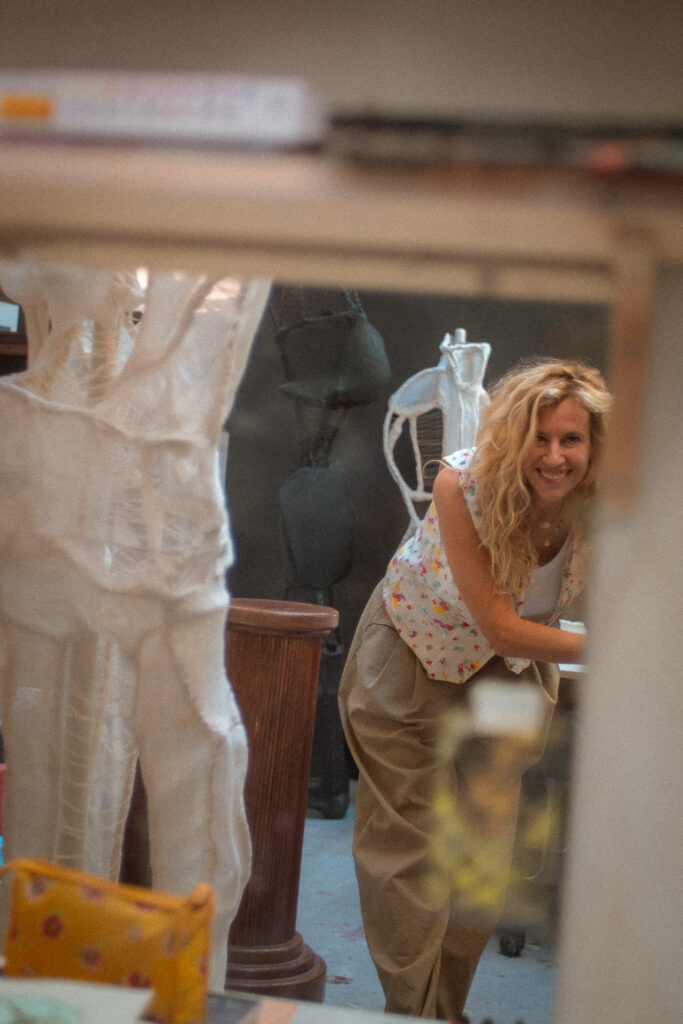
This shift reflects wider cultural shifts where audiences and collectors alike prioritize responsible creation and meaning‑driven work. In our conversation with London-based sculptor and textile artist Eva Dixon, we found that her relationship to the material was almost more important than the material itself. It wasn’t the fact the material was a regular fire hose – to Dixon, the story behind the fire hose is what brings the final artwork to a life filled with meaning.
See the full conversation to learn more about Eva Dixon and why the materials are just as important as what they mean to you.
5. Interactive & Participatory Works That Break the Frame
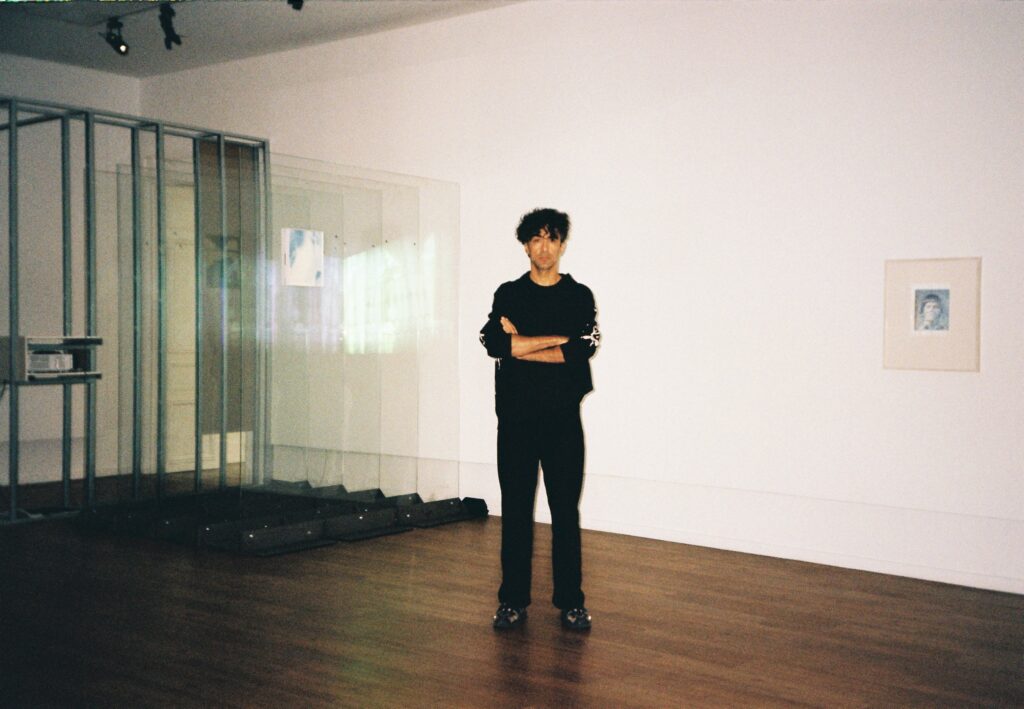
Art in 2026 is increasingly interactive — no longer confined to passive hanging on gallery walls. Installations now respond to audience movement, sound, and even social engagement, demanding participation and conversation.
This trend underscores a broader cultural desire for experience over observation, breaking down barriers between artist, artwork, and viewer.
6. Personal Narrative & Psychological Depth
Another major theme shaping 2026 is the prominence of works that explore inner worlds, personal mythologies, and psychological narratives. Rather than focusing solely on formal aesthetics or art historical reference, many artists are drawing from memory, emotion, and lived experience as primary material in itself.
This human‑centric trend resonates with the ethos behind many Timestamp conversations — where artists open up about what drives their work, not just how they make it.
7. The Creative Life Itself as Source Material
Across interviews, a clear pattern emerges: creativity isn’t simply about the output — it’s about the process, the life, and the motivations that underpin it. One Timestamp interview with artist Eleanor Arbor underscored this when she explained:
“If you’re an artist in your soul, you go crazy if you don’t make art.”
Eleanor Arbor
This kind of statement reflects a broader 2026 trend: artists increasingly draw from their lived experiences, internal landscapes, and personal stories — making the work itself inseparable from the person who makes it.
Conclusion: What It Means for the Art World in 2026
2026’s contemporary art trends reflect a world that’s both self‑aware and outwardly engaged. Artists are pushing back against digital homogenization by emphasizing material presence, interaction, ecological responsibility, and personal narrative. At the same time, the art world is opening up to modes of participation and experience that extend beyond visual consumption. These themes, captured in Timestamp’s interviews, map onto broader currents in the global art scene and suggest a future where authenticity, participation, and human experience are center stage.
About the Author
Matthew Moloney is a multi-disciplinary American artist and writer from West Bloomfield, Michigan. Working across painting, fashion, video, and sculpture, he explores creativity in its many forms. Through his platform Timestamp, he interviews artists, shares insights into contemporary art, and highlights trends shaping the art world today.
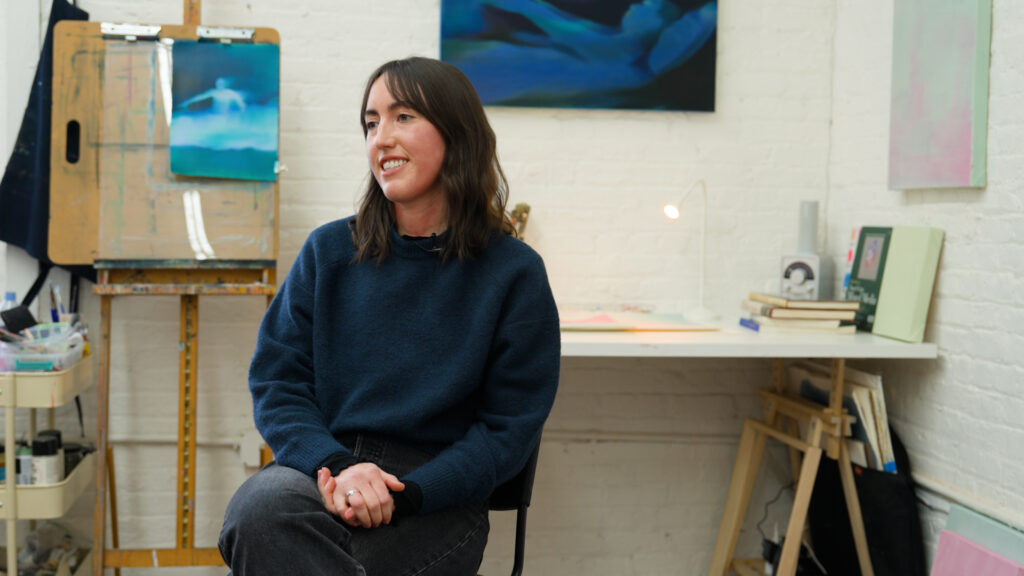
Cathleen Clarke
Cathleen Clarke has always been drawn to the spaces where memory begins to thin out….
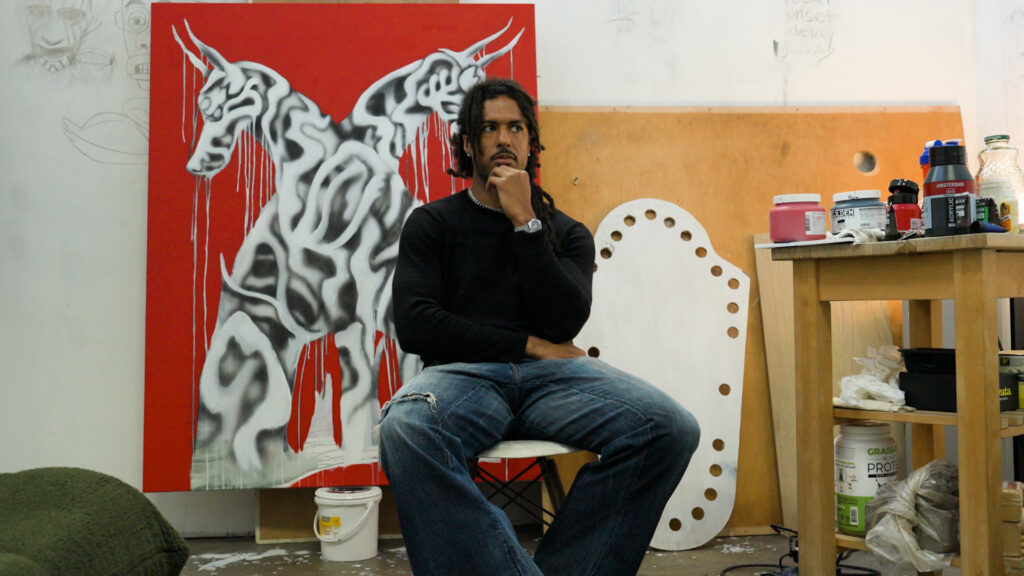
Logan Sylve
For Logan Sylve, painting is a steadfast companion. “I feel like painting is my first…
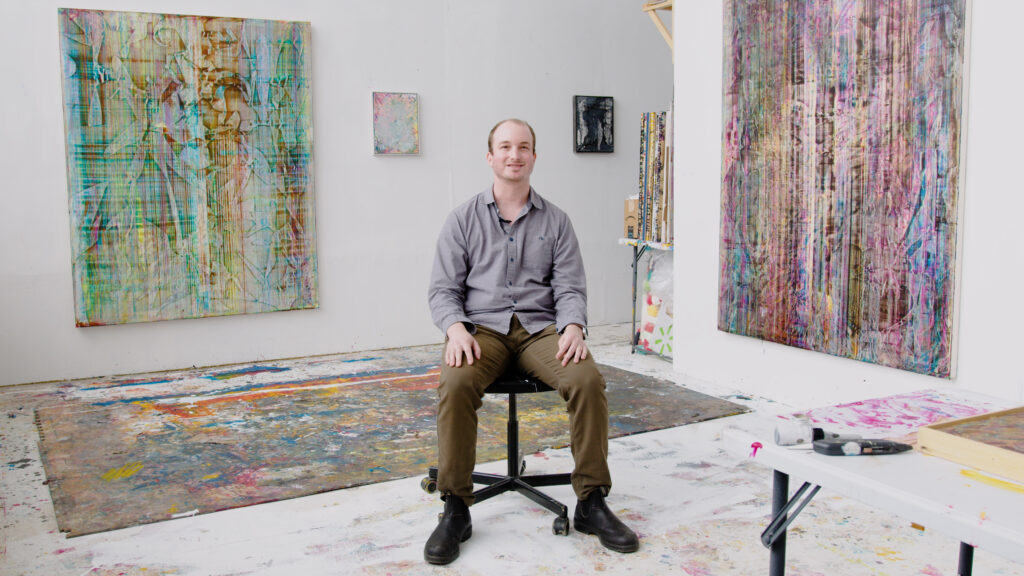
Mason Dowling
Mason Dowling approaches painting like a risk. Not in theory, but in practice, where each…
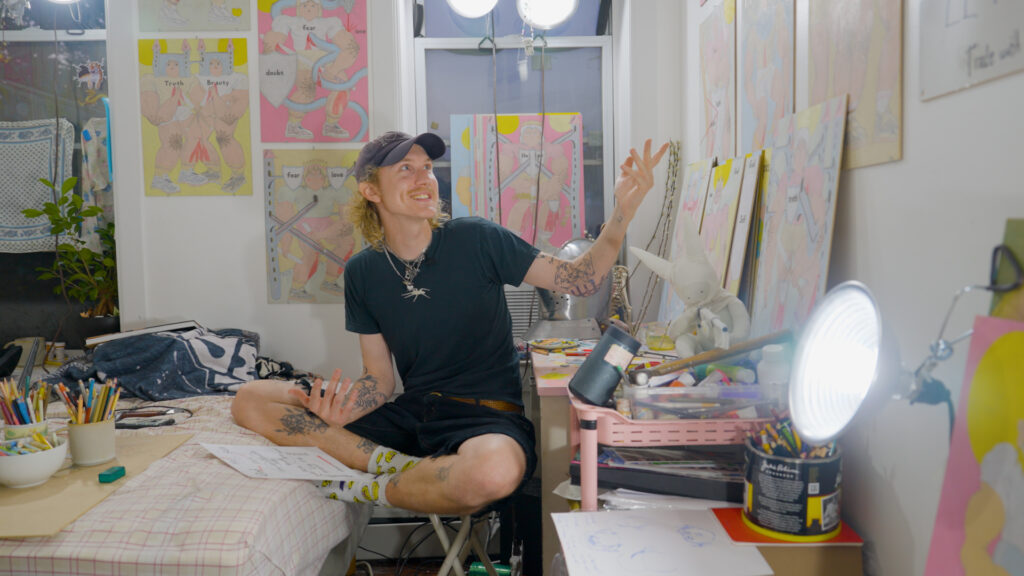
Bones Gilmore
In the heart of a bustling Bedford-Stuyvesant studio, we had the opportunity to meet Bones…
The Best Art Cities in the World — and Why Artists Travel to Them
Some cities don’t just host art — they actively condition it. Artists travel to these…
Why Fondation Beyeler Belongs on Every Art Lover’s Bucket List
There are museums you visit because they’re famous. Then there are museums you visit because…
Pingback: The New Geography Of The Art World In The Age Of Acceleration - Cosmic Meta Digital
Pingback: The New Geography Of The Art World In The Age Of Acceleration - Cosmic Meta Digital
Pingback: The New Geography Of The Art World In The Age Of Acceleration - Cosmic Meta Digital
Pingback: The New Geography Of The Art World In The Age Of Acceleration - Cosmic Meta Digital
Pingback: The New Geography Of The Art World In The Age Of Acceleration - Cosmic Meta Digital
Very curiously 🙂