
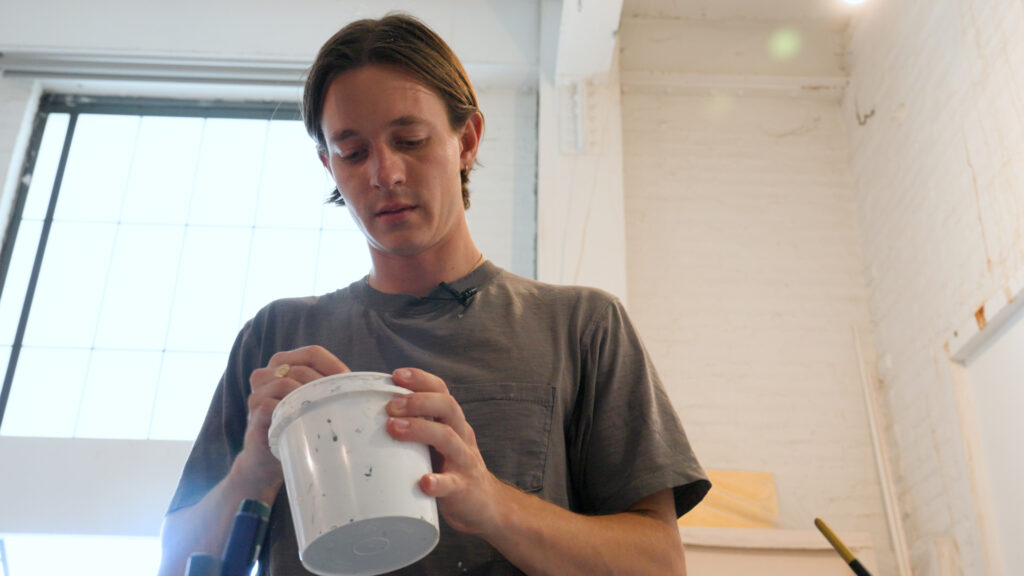
From digital worlds to airbrushed paintings, Austin Lee explains why the future of art isn’t about technology, it’s about connection. Sitting in his Brooklyn studio surrounded by luminous canvases, airbrushes, sculptures, and computer screens, Austin Lee doesn’t describe art as a profession or even a practice. Instead, he describes it as a way of existing in the world.
“Painting is just an extension of who I am.”
That sentiment becomes the thread running through nearly every topic we explore, from artificial intelligence and virtual reality to color theory, memory, and sculpture. While Lee’s work often appears futuristic, built using motion capture, VR, 3D modeling, and digital software, his philosophy is remarkably timeless. At its core, his work is about connection.
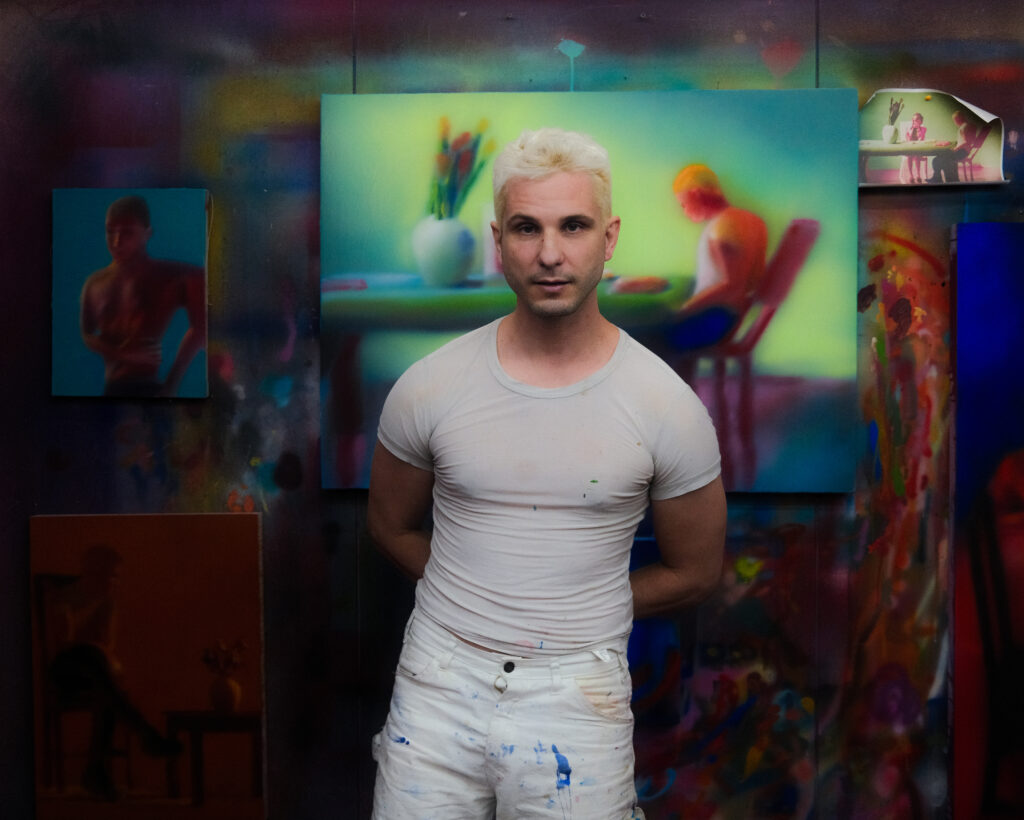
He opens the conversation with an idea that reframes everything that follows. Art, he believes, is one of the only ways we can truly understand another person’s consciousness. Language can only go so far. A painting, however, carries something much deeper. Looking at a work created hundreds of years ago, he explains, allows us to feel connected to someone we’ll never meet, creating an emotional bridge across generations.
That desire to communicate has shaped Lee’s life from the very beginning. Growing up, drawing was never simply an isolated activity. He remembers classmates gathering around his desk while he sketched, discovering early that making images could bring people together. Today, despite exhibiting internationally and becoming one of the most recognizable painters working between digital and traditional media, he still speaks about painting with that same sense of curiosity rather than accomplishment.
The conversation naturally turns toward artificial intelligence, a topic that has dominated discussions throughout the creative world. Rather than expressing fear, Lee sees AI as something that has clarified his own purpose as an artist.
For decades, technical skill was often considered one of painting’s defining qualities. Now, anyone can generate compelling images with a prompt. Instead of diminishing art, Lee believes this shift forces artists to ask a much more important question: if anyone can make an image, what makes your image matter? His answer isn’t aesthetics. It’s perspective.
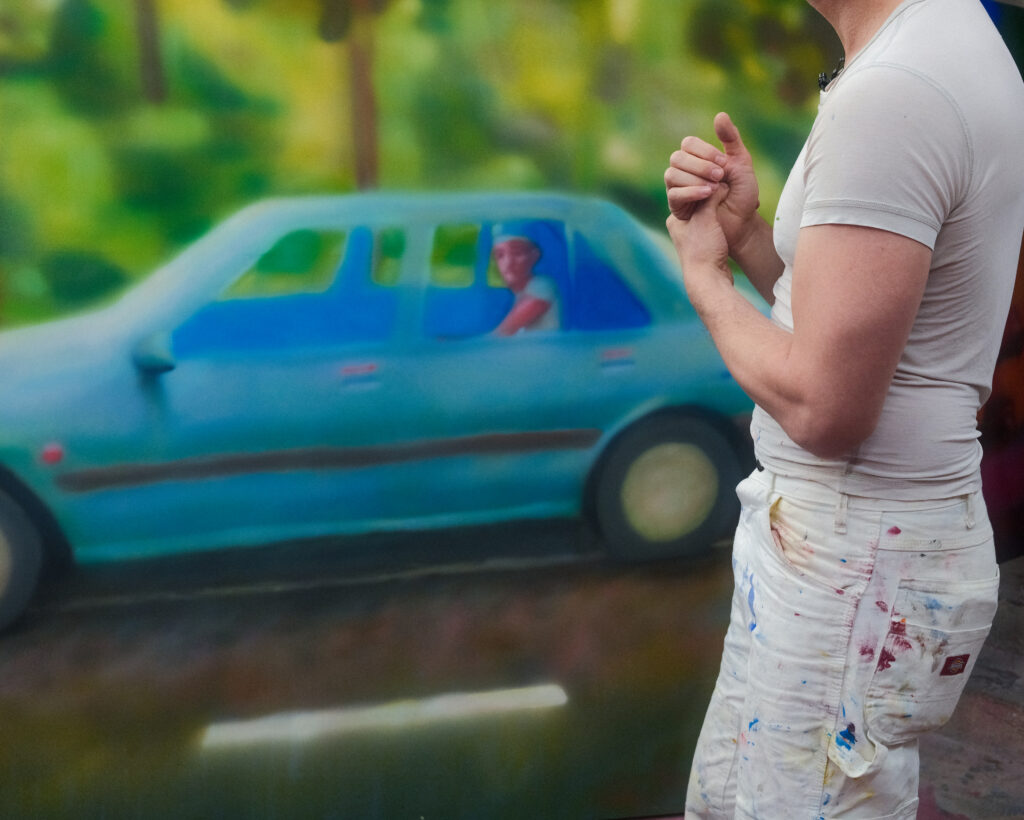
The value of painting today lies in sharing something genuinely personal: a thought, a memory, or an emotional experience that could only come from one individual. Throughout the interview, this idea surfaces repeatedly. The paintings are never just images; they’re records of how Lee experiences the world. Ironically, those deeply personal works often begin inside a computer.
Long before digital art became commonplace, Lee was teaching himself software, building websites, and experimenting with digital drawing. Rather than seeing technology as separate from painting, he allowed the two to evolve together. That curiosity eventually led him toward the hybrid process that defines much of his work today.
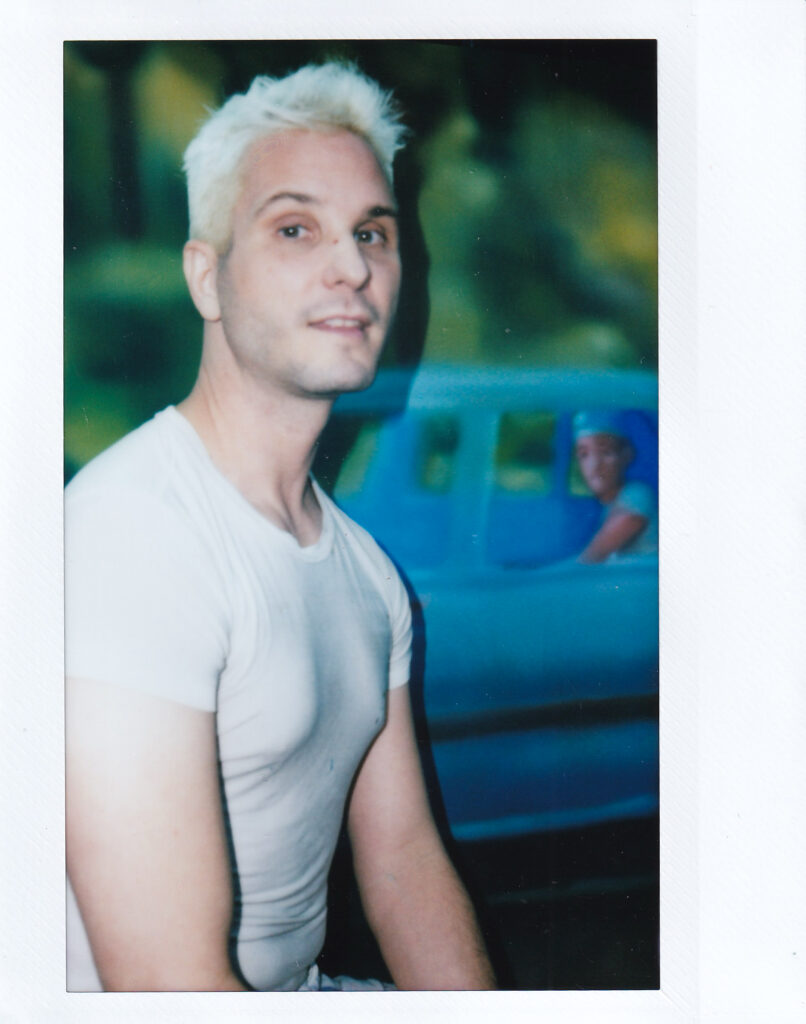
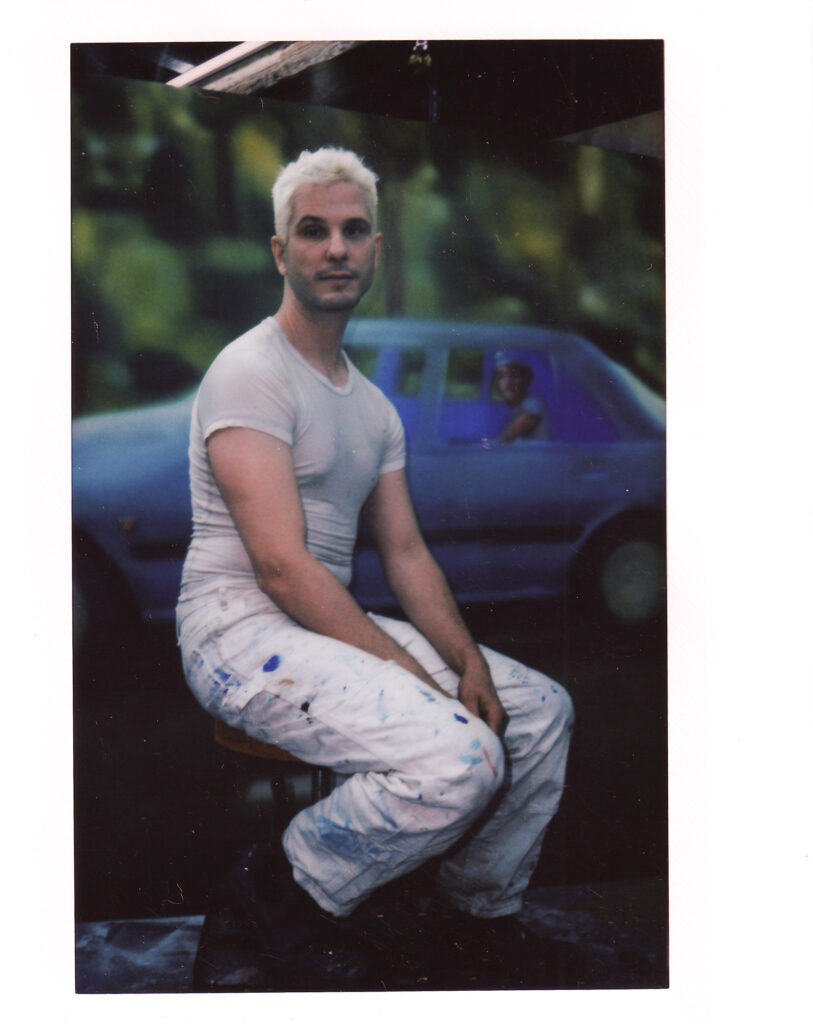
A typical painting rarely begins with a photograph. Instead, it starts with a sketch before moving into virtual reality, where Lee constructs an entire environment from scratch. Using Blender, motion capture, and custom lighting, he carefully stages every object, every gesture, and every shadow before translating that digital scene into paint. Listening to him describe the process, it becomes clear that the technology isn’t there to replace observation, it’s there to deepen it.
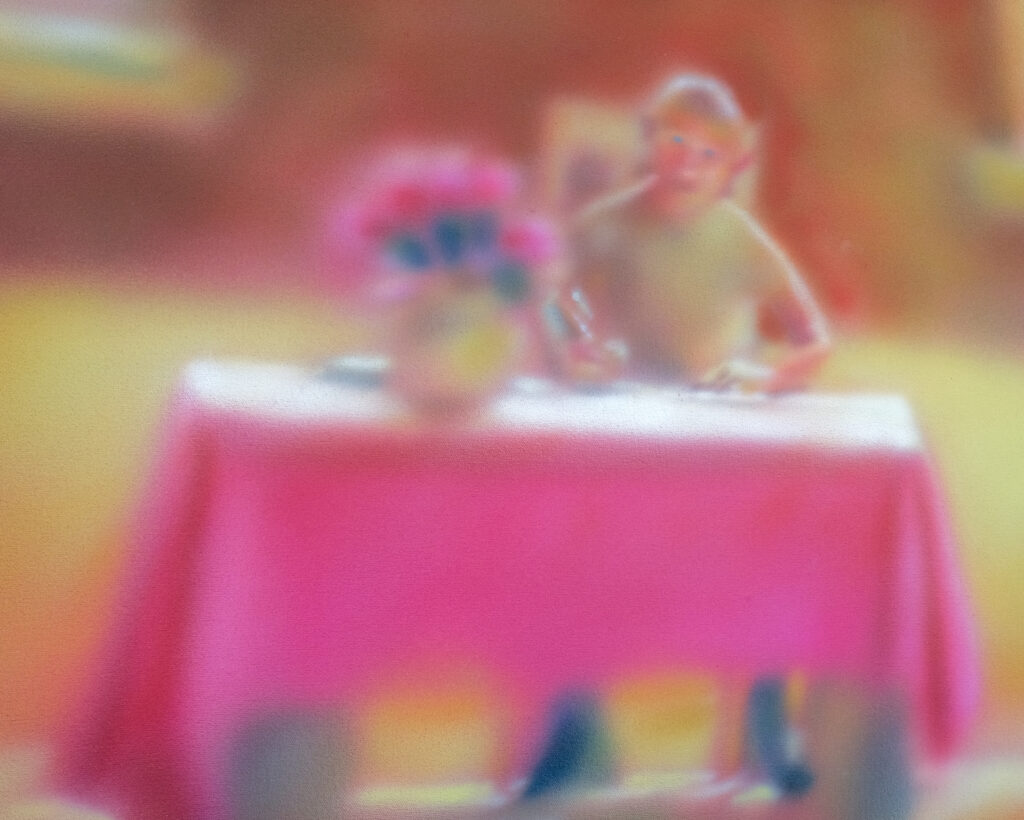
“If I recreate everything,” he explains, “I’m thinking about every object multiple times.” A table isn’t simply a table. It’s first imagined, then modeled, then lit, then painted. Every stage becomes another opportunity to refine the emotional feeling he’s trying to communicate. That emphasis on feeling explains why photography has never been his primary interest. While a photograph documents a moment, Lee wants something stranger. His paintings often resemble memories rather than records, recognizable enough to feel familiar, yet just unreal enough to capture how an experience actually lives inside the mind.
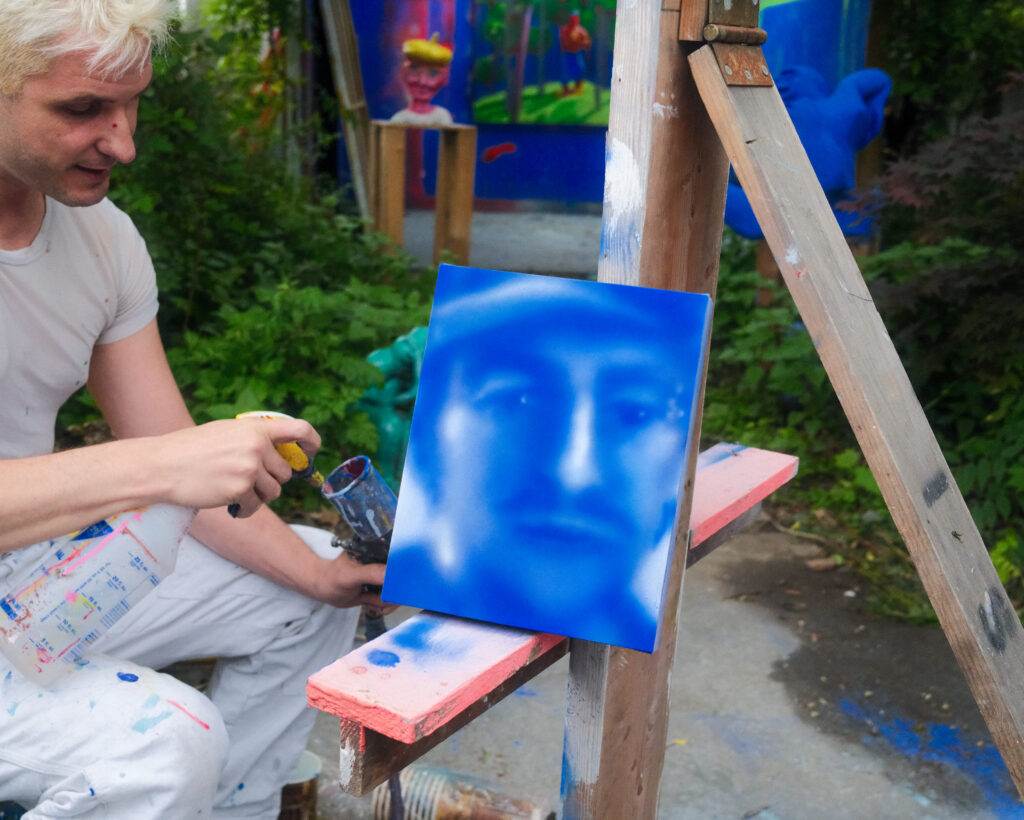
This pursuit extends to his use of color and light. Lee’s paintings glow with an almost screen-like luminosity, an effect achieved through years of experimenting with airbrushes, pigments, and digital aesthetics. Originally inspired by the light emitted from computer monitors, he became fascinated with creating paintings that feel illuminated from within rather than merely painted on a surface.
Even his technical decisions reveal extraordinary intentionality. He sprays paint from the same direction as the imagined light source, allowing the microscopic particles to mimic the way light naturally behaves. What appears effortless is, in reality, the result of thousands of carefully considered decisions. That same attention to detail carries into his sculptures.
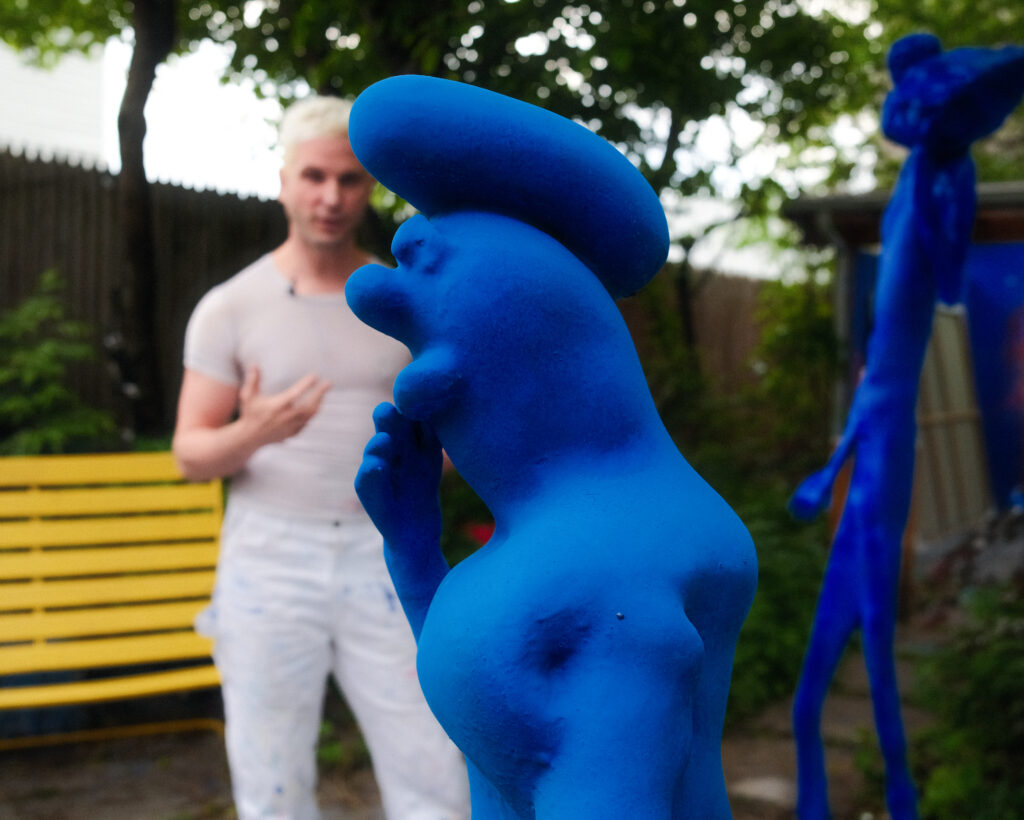
Using motion capture suits, Lee records his own movements before transforming those gestures into bronze figures. Rather than reproducing anatomy, he’s interested in preserving posture, movement, and body language. The sculptures become frozen performances, physical memories of fleeting moments. Throughout the interview, another theme quietly emerges alongside discussions of technology: community.
Lee speaks warmly about the teachers who encouraged exploration instead of imitation, the artists he continues to learn from in New York, and the importance of surrounding yourself with people who challenge your thinking. Great teachers, he says, don’t tell you what to make. They help you discover how to understand yourself. Perhaps that’s why success, as he defines it, sounds refreshingly uncomplicated.
Asked about his goals, Lee doesn’t mention museums, auctions, or career milestones. Instead, he smiles and says that if he can continue making work, share it with people, and spend time with those he cares about, he’ll consider himself incredibly fortunate. It’s an answer that feels increasingly rare.
By the end of our conversation, it becomes obvious that despite the sophisticated software, virtual reality headsets, and digital workflows, Austin Lee isn’t really talking about technology at all. He’s talking about humanity. In an era when artificial intelligence can generate endless images in seconds, Lee believes the future of painting lies in something machines cannot replicate: specificity. Not simply making an image that looks convincing, but creating one shaped by lived experience, memory, emotion, and intention.
Every brushstroke, every modeled object, every lighting decision carries the imprint of a human mind working through an idea. Perhaps that’s why his paintings feel so alive. They aren’t trying to imitate reality. They’re trying to communicate what reality feels like.
About the Author
Sam Burke is an American artist and writer based in New York City. Working across film, performance, and writing exploring storytelling, identity, and place. As co-founder of Timestamp, Burke interviews artists, shares insights, and highlights conversations shaping art world today.
Gonçalo Preto
For Portuguese painter Gonçalo Preto, a painting is never simply a representation of something seen….
The Armory Show 2026: Highlights from New York’s Contemporary Art Fair
From experimental painting to immersive installations, a look at the artists, booths, and ideas that…
Mia Goldstien
Born in Los Angeles and now working in New York City, Mia Goldstein has built…
Michael Alexander Campbell
Michael Campbell once tried to give up making art. The idea, as he explains it,…
Andrew LaFarge Hamill
Andrew LaFarge Hamill describes himself as an artist and garden designer, but he is interested…
Felix Benton
Felix Benton grew up surrounded by people who made things. His grandmother was a glass…