
Some cities don’t just host art — they actively condition it. Artists travel to these places not only to see work, but to understand how context, pressure, and community shape practice. Below are cities that consistently emerge in interviews as formative, followed by key institutions and galleries that anchor their scenes.
New York City
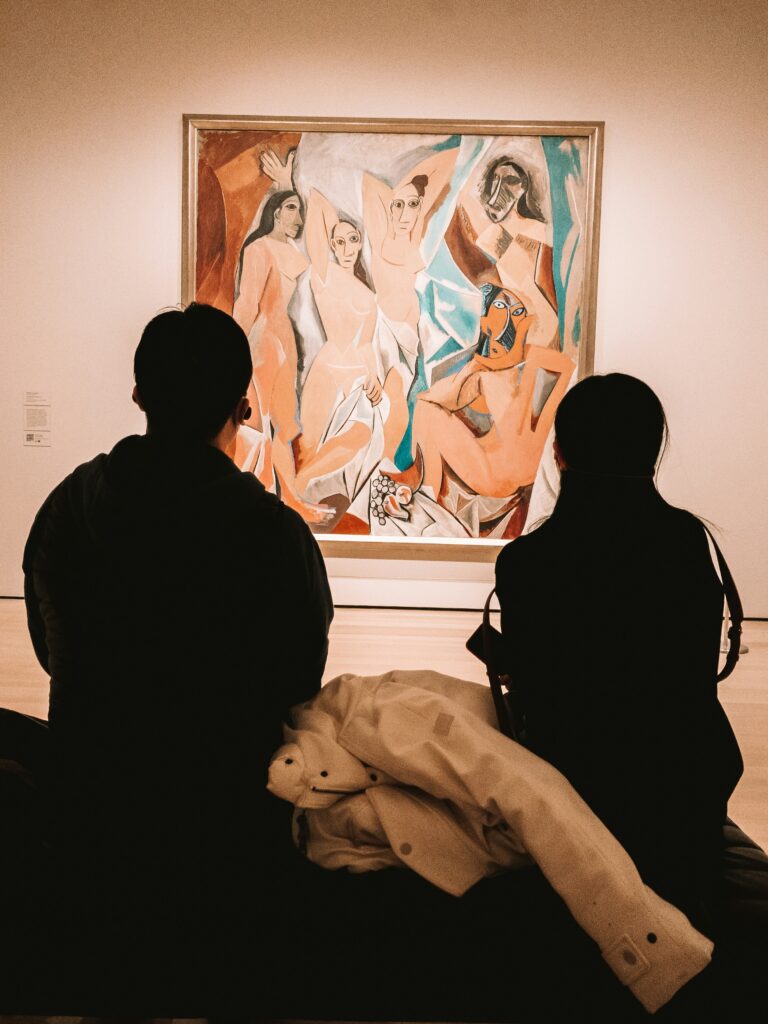
New York remains the most demanding art city in the world. Its intensity comes from proximity: artists, galleries, critics, collectors, and institutions all operating at once. The pace forces clarity. Many artists describe New York as a place that accelerates decision-making — you learn quickly what matters in your work and what doesn’t.
At the same time, New York functions as a living archive of contemporary art history. The coexistence of legacy institutions and experimental spaces creates constant dialogue between past and present. Artists aren’t just responding to trends, but to decades of precedent layered into the city itself.
The Whitney Museum of American Art
Berlin
Berlin attracts artists searching for time and space. Compared to more market-driven cities, Berlin allows for longer thinking cycles and unfinished ideas. Its history of division and reconstruction still informs how work is made — provisional, process-oriented, and often resistant to polish.
Berlin’s art ecosystem values experimentation over visibility. Artists frequently describe the city as a place to unlearn habits formed elsewhere and rebuild their practice with fewer external expectations. The result is work that often privileges concept, material, and duration over immediate legibility.
KW Institute for Contemporary Art
Paris
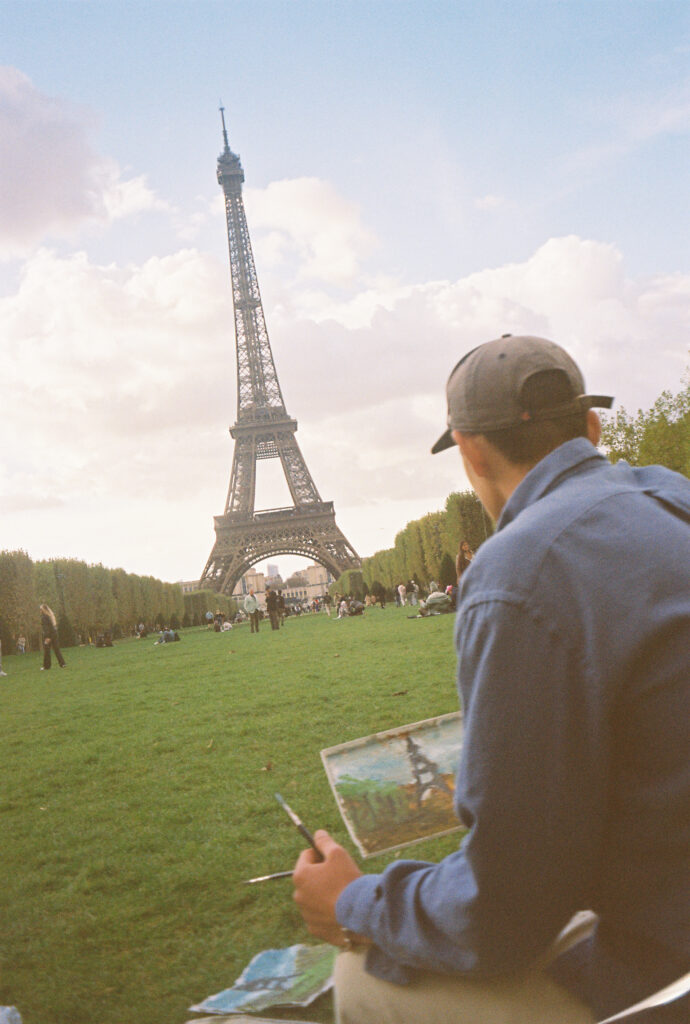
Paris exerts influence through history rather than urgency. Artists often speak about the city as slowing their thinking and reorienting them toward lineage. Museums, archives, and architecture continually remind visitors that contemporary work exists inside a much longer conversation.
Rather than pushing spectacle, Paris encourages close looking and conceptual restraint. For many artists, time spent here sharpens formal sensitivity and renews respect for craft, composition, and intellectual rigor.
Mexico City
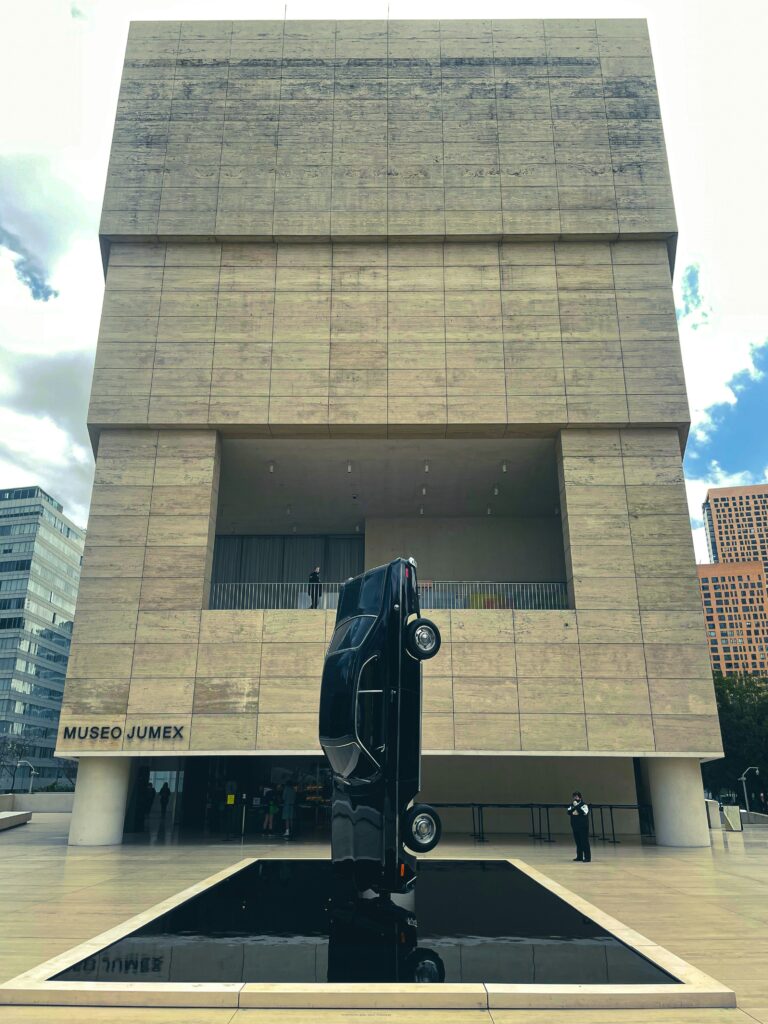
Mexico City has emerged as one of the most vital art cities of the last decade. Its strength lies in integration — art, politics, craft, and daily life are deeply intertwined. Artists often describe the city as energizing, with a sense that work here carries social and material consequence.
The city’s scale and affordability allow practices to expand physically and conceptually. Many artists note that Mexico City encourages ambition without the constant pressure of visibility, resulting in work that feels grounded and necessary.
Museo Tamayo
OMR
London
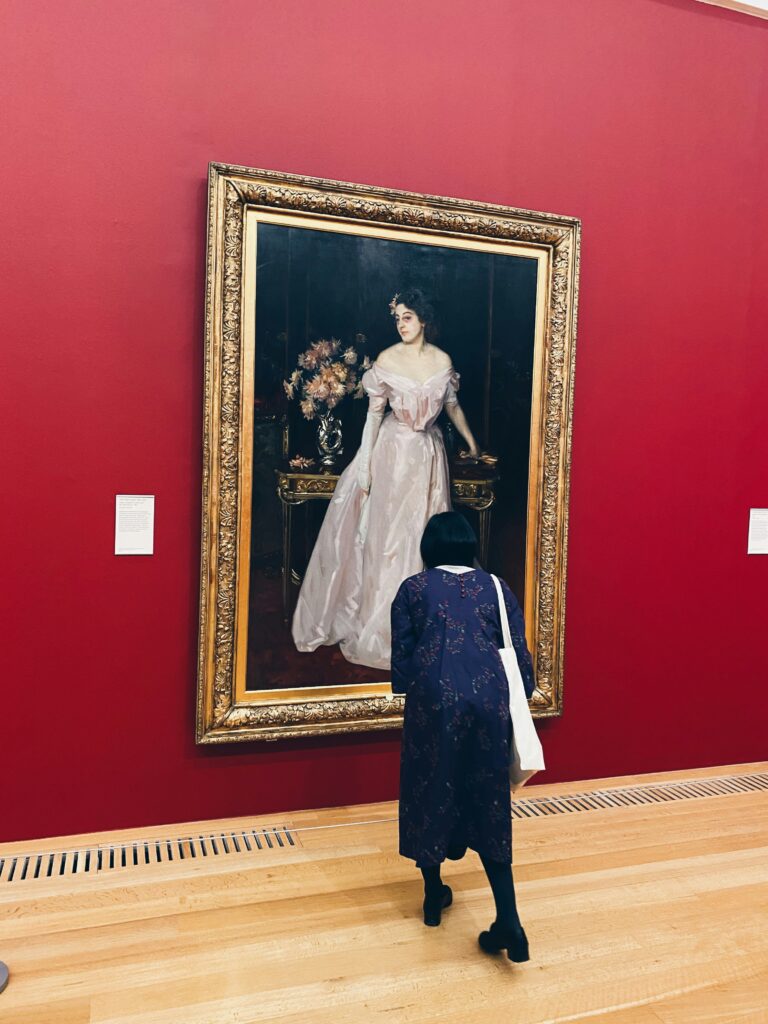
London is shaped by tension — between institutions and independent spaces, capital and precarity. Artists working here are often deeply engaged with theory, language, and critique, producing work that is highly contextual and discursive.
Despite rising costs, London remains a critical center for intellectual exchange. Artists frequently cite the city’s emphasis on writing, conversation, and institutional critique as formative to their practice.
Tate Modern
Tokyo
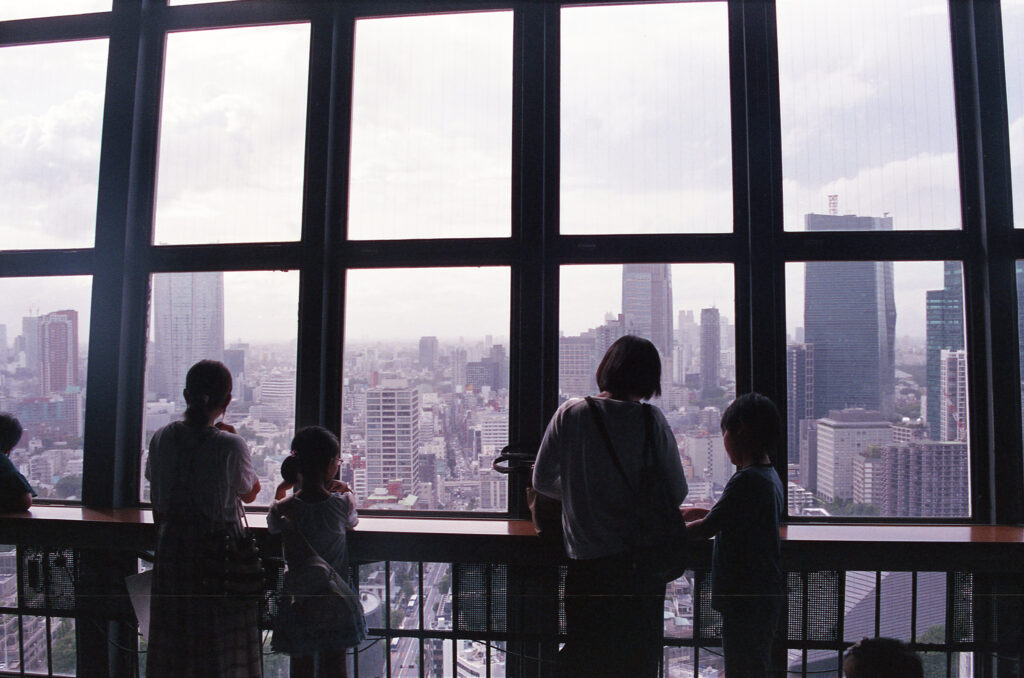
Tokyo influences artists through precision and restraint. Many describe the city as heightening sensitivity to detail — in materials, presentation, and daily systems. Contemporary work here often values subtlety over excess.
Tokyo’s art scene rewards patience. Artists working or visiting frequently speak about learning to slow down, repeat gestures, and allow meaning to accumulate quietly over time.
National Museum of Modern Art Tokyo
Watari Museum of Contemporary Art
Los Angeles
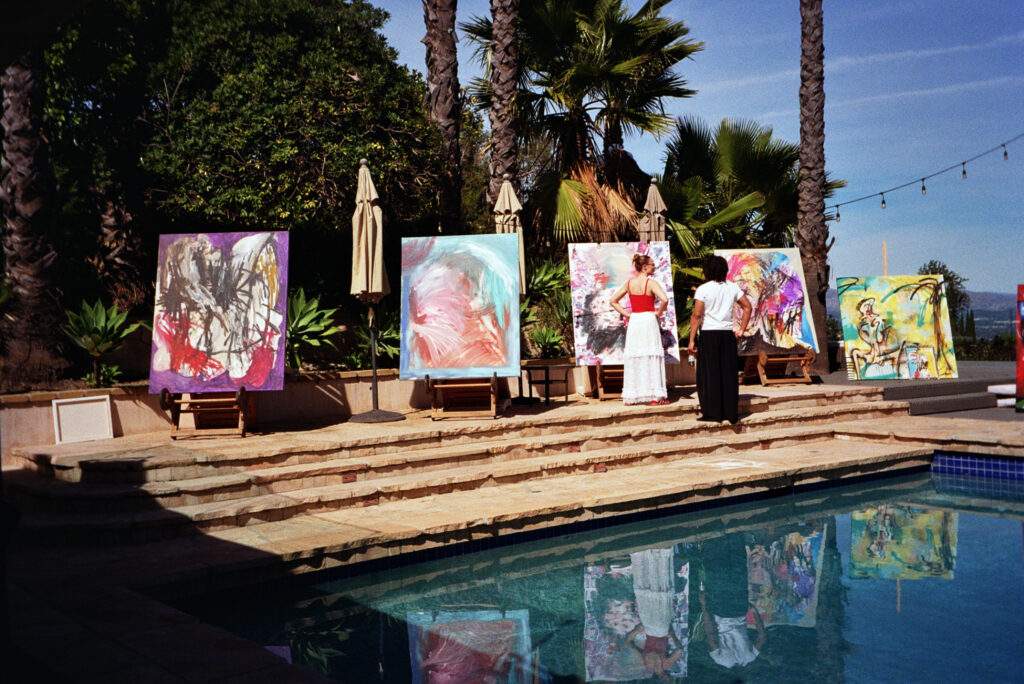
Los Angeles offers distance — spatially and psychologically. Artists often describe LA as intuitive and inward-looking, shaped by light, landscape, and time rather than constant comparison.
The city’s decentralization allows practices to unfold privately. Work made in Los Angeles frequently reflects long development cycles and an emphasis on process over immediate reception.
What These Cities Share
Despite their differences, these cities share one thing: they demand response. None of them are neutral backdrops. They exert pressure — economic, historical, cultural — that artists must contend with. Inspiration comes not from beauty alone, but from constraint, tension, and proximity to others doing the same work.
For artists traveling today, the goal isn’t to find the “perfect” place. It’s to find a city that interrupts comfort and sharpens attention. The best art cities don’t make the work easier. They make it necessary.
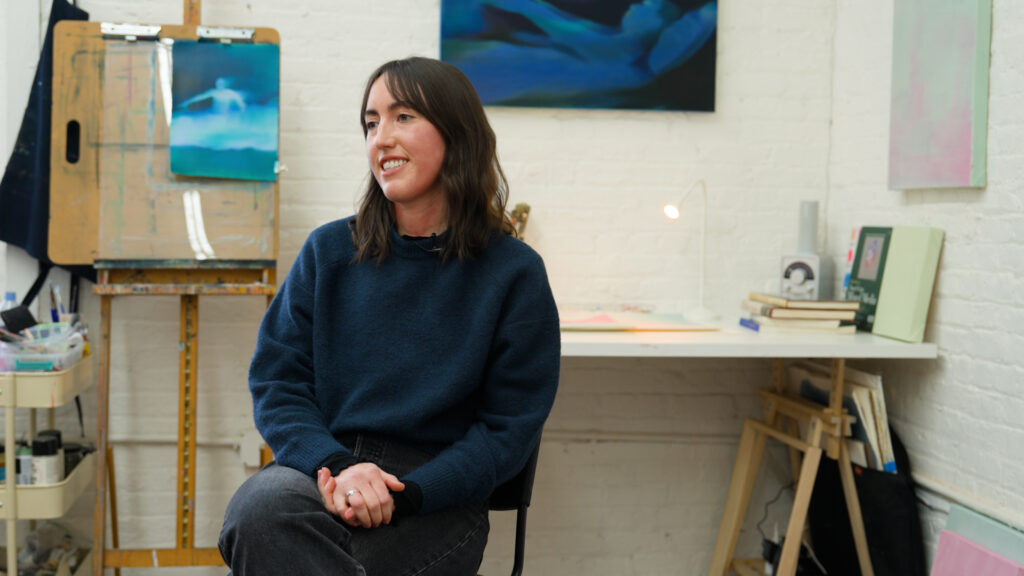
Cathleen Clarke
Cathleen Clarke has always been drawn to the spaces where memory begins to thin out….
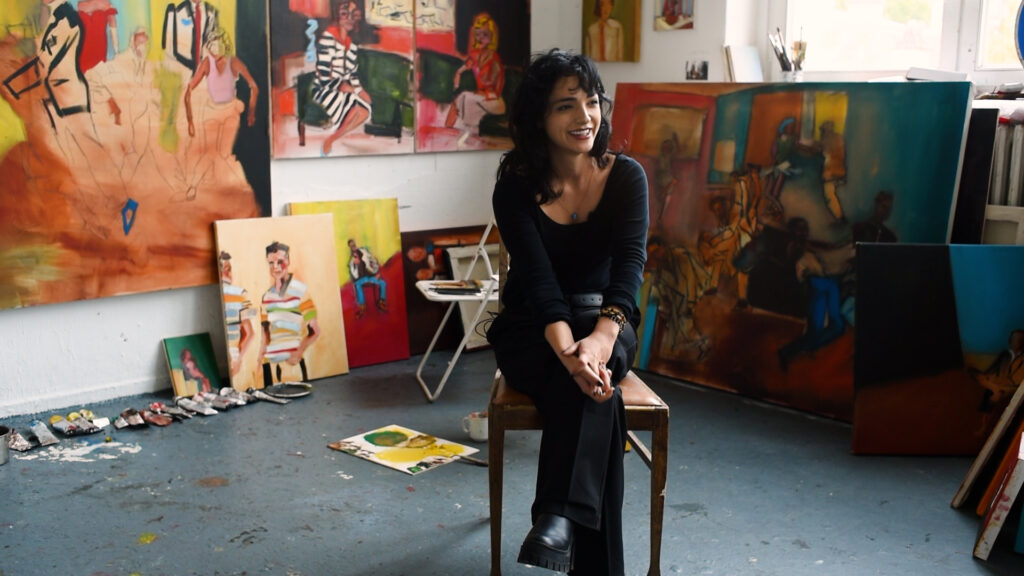
Kara Su
Born and raised in Berlin with Kurdish roots, Kara Su grew up far from the…
Logan Sylve
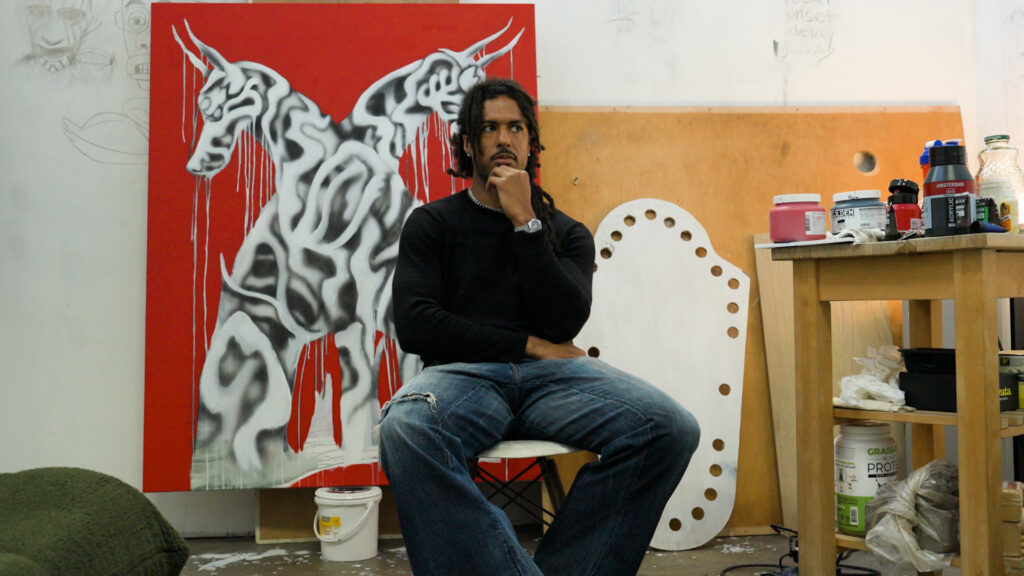
For Logan Sylve, painting is a steadfast companion. “I feel like painting is my first…
Mario Picardo
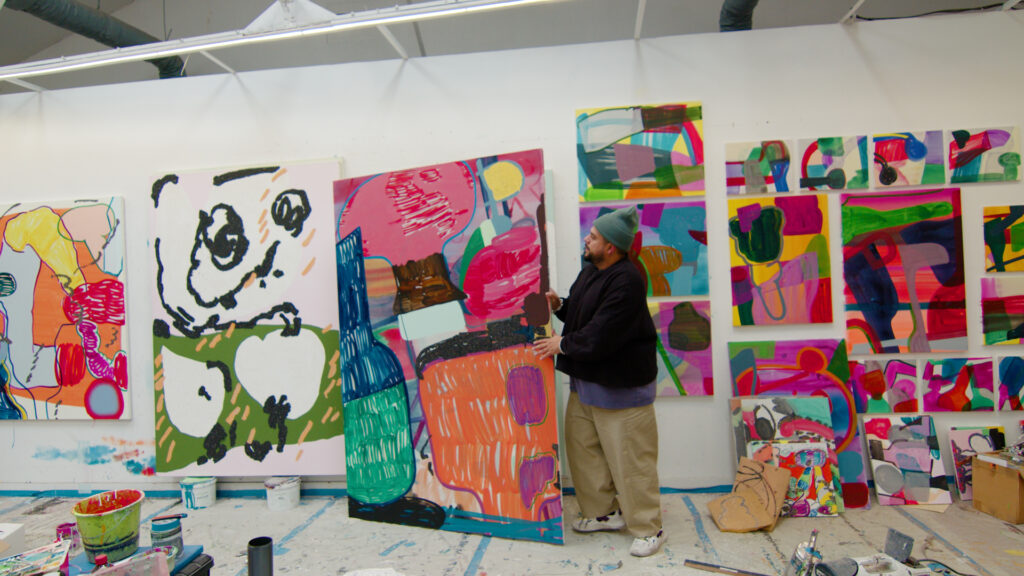
Mario Picardo approaches painting as a space of personal freedom. The studio is not a…
Hill Spriggins
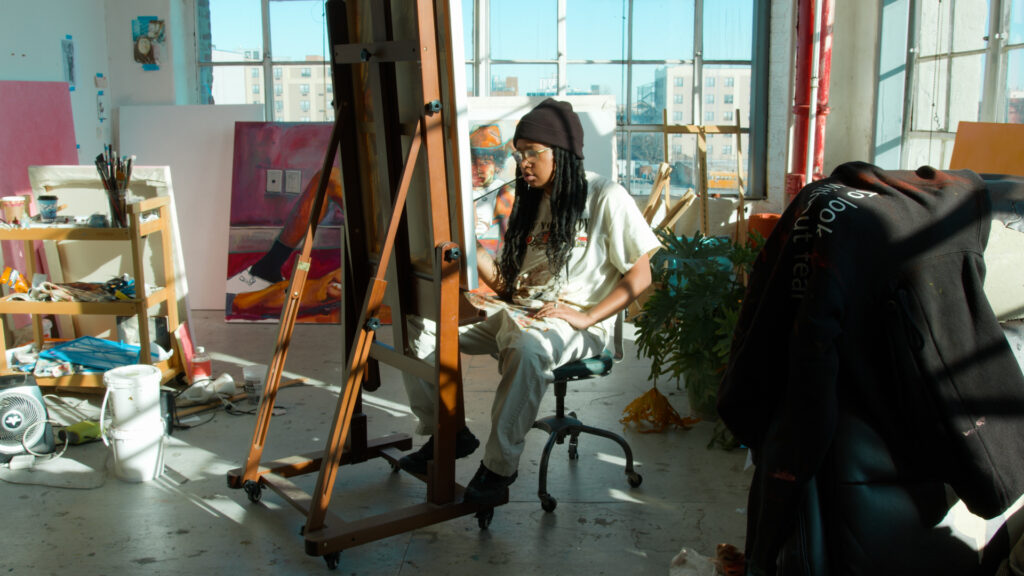
Originally from New Orleans, Louisiana, Hill Spriggins has been living and working in Brooklyn, New…
Brenda Zlamany
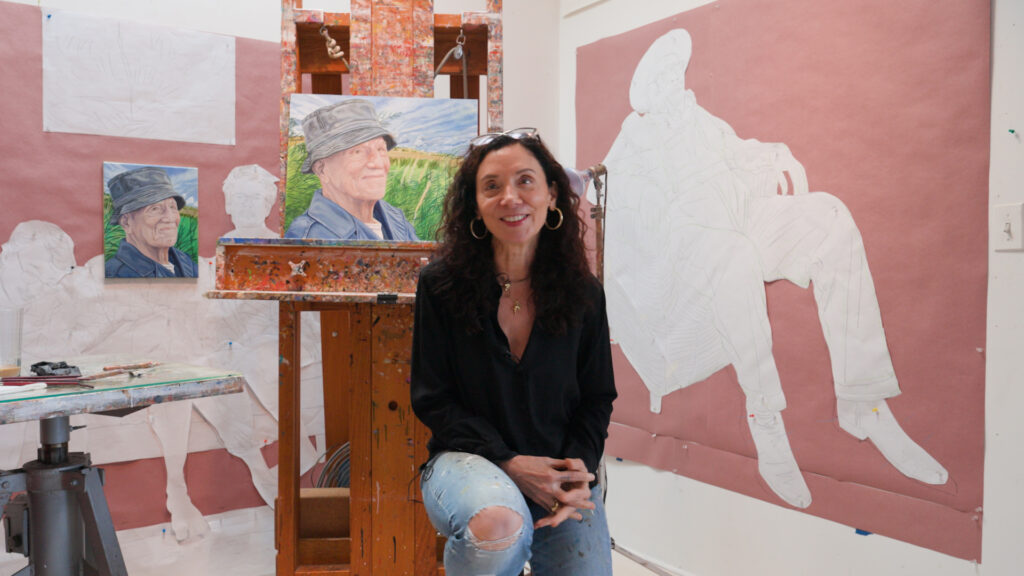
Brenda Zlamany has been painting for most of her life, and she speaks about it…