
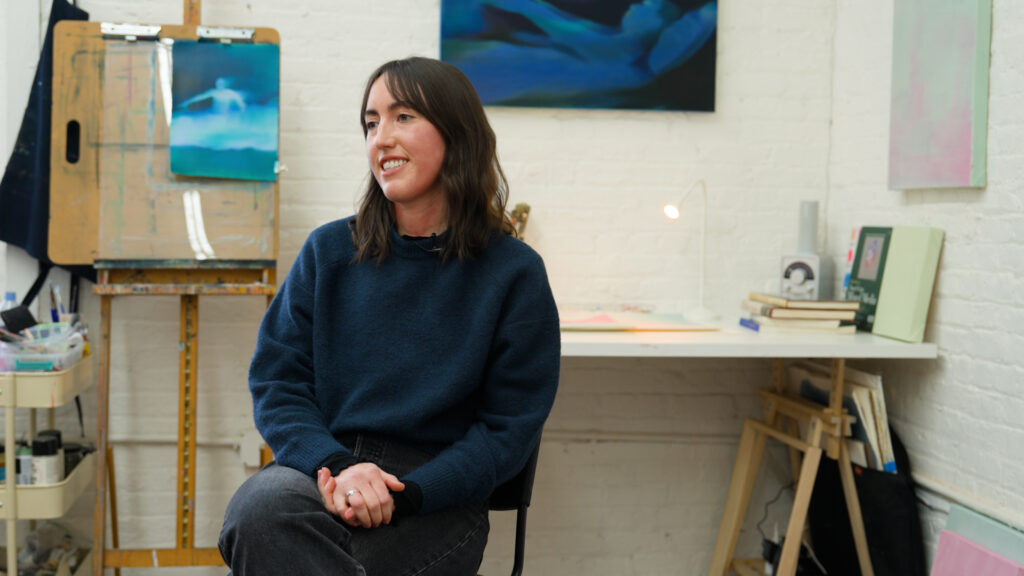
Cathleen Clarke has always been drawn to the spaces where memory begins to thin out. Not the sharp, documentary version of the past, but the gaps that form over time. The voids. The moments that cannot be fully retrieved. She is interested in what happens next, when imagination steps in to fill what is missing. “I’ve always been really inspired by the space and the voids that form over time in your memory,” she says, “and how our imagination then tends to fill in the blanks.” It is that threshold, the place where reality blurs with illusion, that continues to anchor her work.
Based in Brooklyn and originally from Chicago, Clarke began painting around the age of ten. Creativity was present from the beginning. Her mother, a self taught artist, painted ceramic plates and sold them at arts and crafts fairs. Clarke grew up watching that process unfold. At some point she found her mother’s old oil paint set, the tubes caked over and hardened with age. She did not know how to use them, but that uncertainty was part of the appeal. Painting felt like something without rules. You put something down and you see what happens.
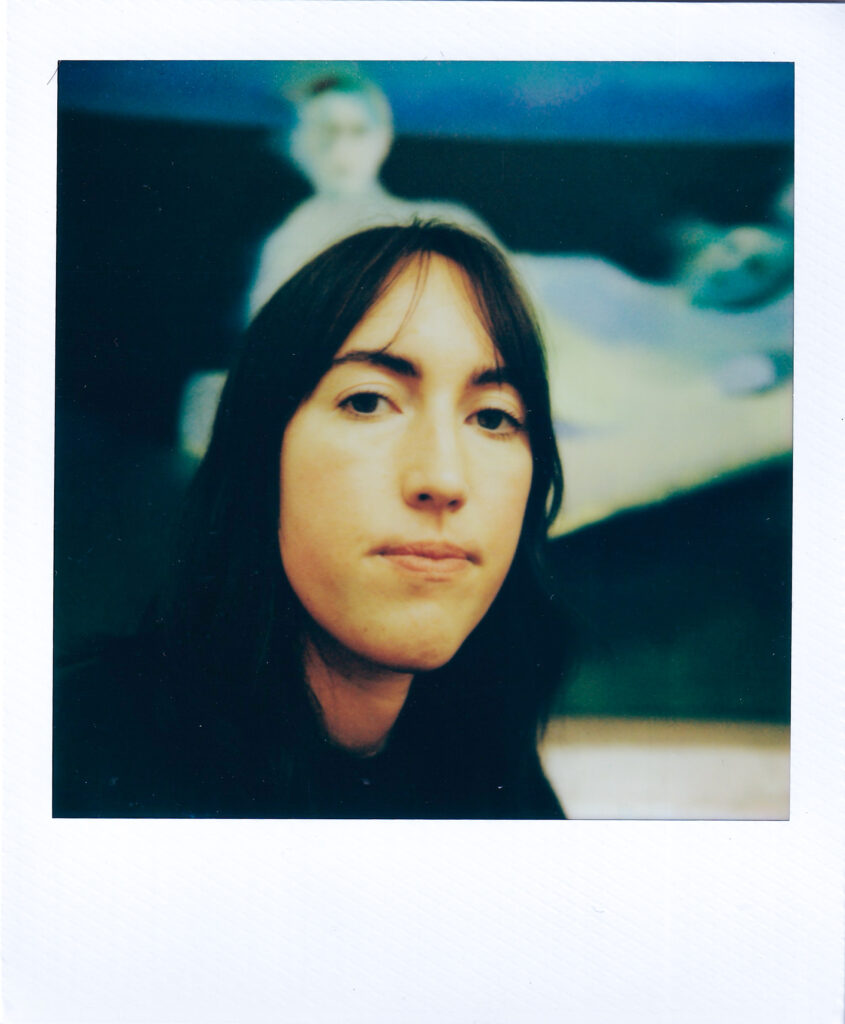
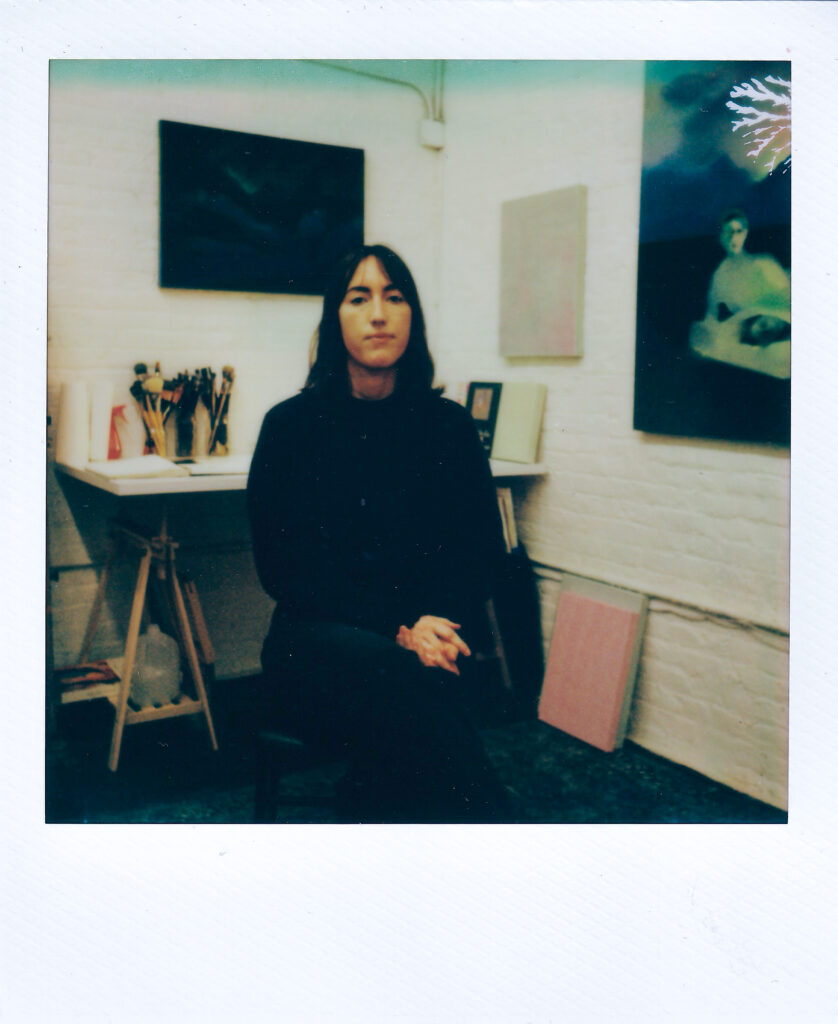
As one of four siblings, she remembers searching early for something that set her apart. She knew drawing was her strength. Visual art felt natural in its ease. As a child she moved fluidly within imagination. Continuing to nurture that imagination became more complicated as she grew older, but she never stopped returning to it. Even when she questioned whether art could be a realistic career, it kept resurfacing.
After high school she did not go straight to art school. She attended community college, took art classes, worked different jobs. She answered an open call to become a flight attendant. She was later fired and that moment that could have felt like failure became something else. Driving home from the airport after her last day, she made a decision. Having always wanted to live in California, she found an affordable art school and started anew.
She moved to San Francisco at twenty two and began painting seriously. That was fifteen years ago. The program was traditional, grounded in realism and technique. Clarke learned how to render, how to build a painting structurally. Since graduating, she has consciously pushed herself away from strict realism. She has worked to loosen her approach, to move toward something more conceptual, more open.
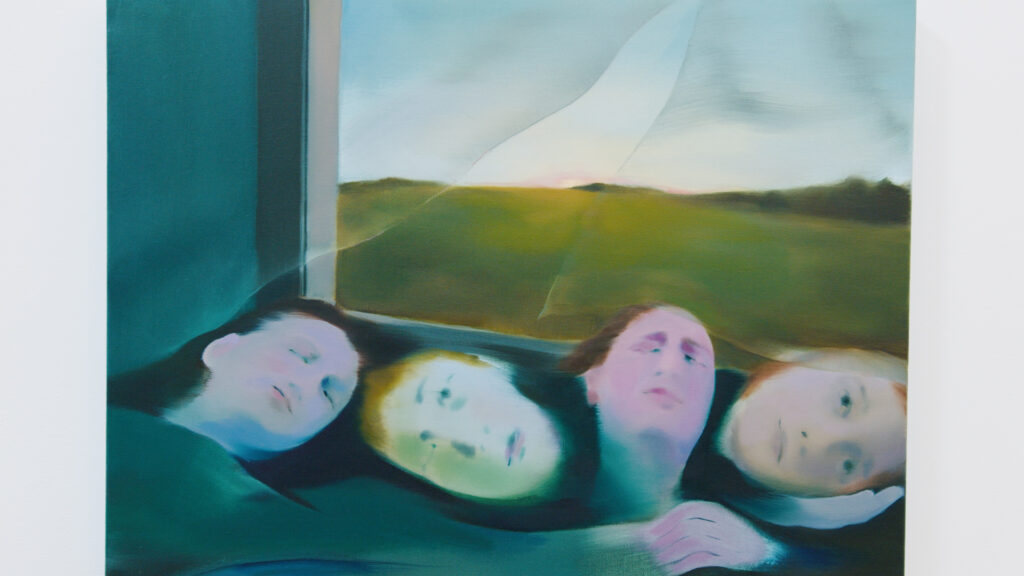
Memory began to surface as a recurring theme during her time in San Francisco. Being far from her family created a homesickness she did not anticipate. She had been eager to leave, but distance complicated that certainty. The longing for a place she thought she was ready to escape anchored itself in her early paintings. Over time that feeling evolved into a broader fascination with looking back, with how moments shift and soften in hindsight. Memory became less about documentation and more about mystery.
In the last five years she has noticed recurring motifs appearing almost subconsciously. She often does not recognize them until she looks back at a year or two of work. The paintings feel driven by lived experience and ideas operating beneath the surface. She describes the process as giving form to the invisible parts of being alive.
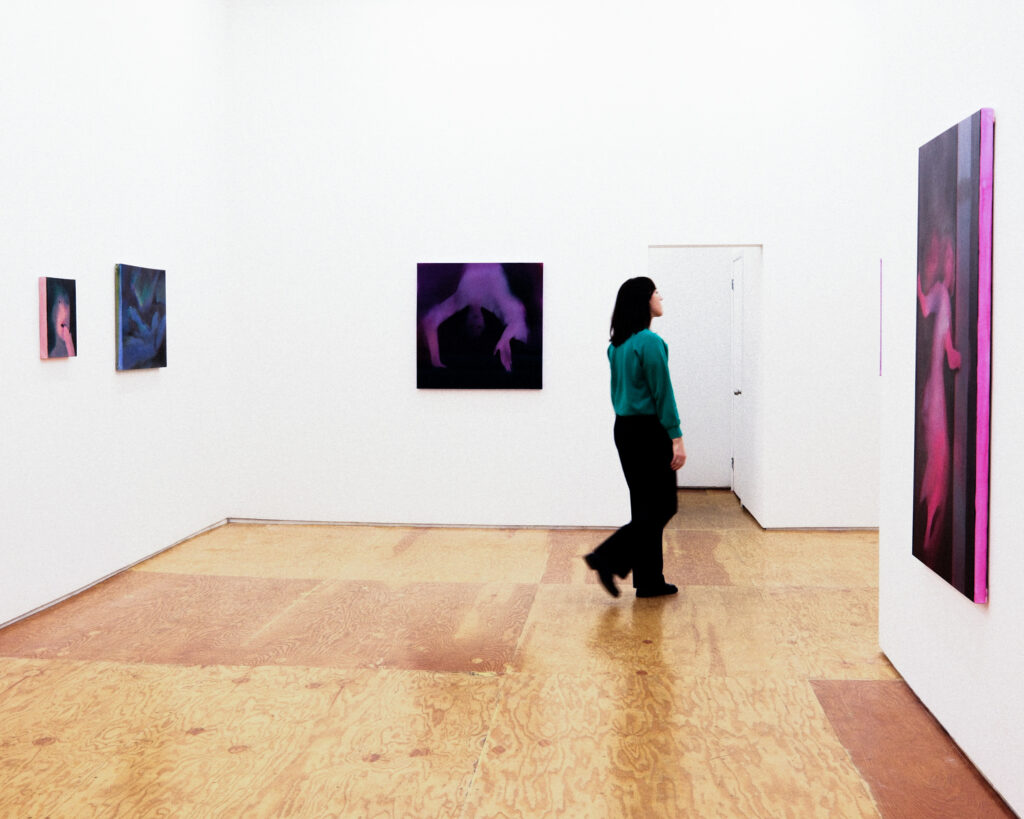
A recent body of work presented at Margot Samel Gallery centers on dreaming. It began with sleepwalking, something Clarke experienced growing up. The idea resurfaced while reading a short story by Raymond Carver. In the story, a woman wakes half asleep, convinced she is late for work, moving through a domestic space in a state between consciousness and dream. The scene echoed Clarke’s own experience during her flight attendant training. Living in a hotel room in St. Louis with a friend from high school, she would wake up regularly, turn on all the lights, and shout that they were late. She was not fully awake and not fully asleep. Anxiety controlled the moment.
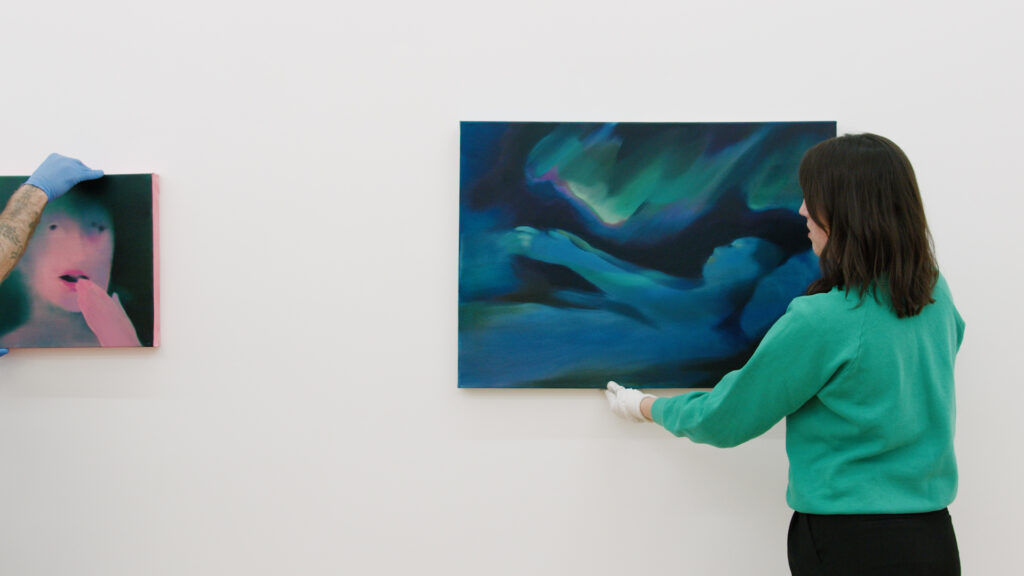
That mental in between state became fertile ground for painting. She began to think about what drives people to lose sleep, what surfaces in the night, how fear and memory merge. Over five months the series evolved. What began as an exploration of sleepwalking expanded into dream imagery more broadly. The paintings do not illustrate specific narratives. Instead they suggest thresholds, places where figures drift between worlds.
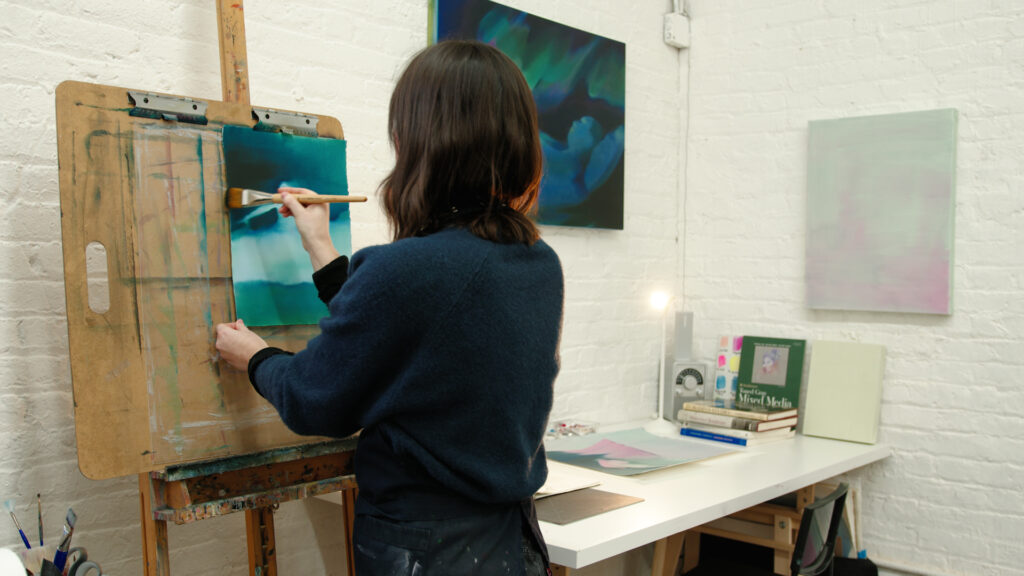
Her process mirrors that instability. Clarke typically begins with a toned ground, washing her canvases with diluted acrylic before working in oil. The underpainting remains visible in areas where she scrapes or wipes away the surface. Lately the base colors have been bright. She does not usually know what will appear on the canvas when she starts. One gesture leads to another. A single mark sparks the next decision. She sketches often, but the drawings do not translate directly. Painting is guided more by feeling than by plan.
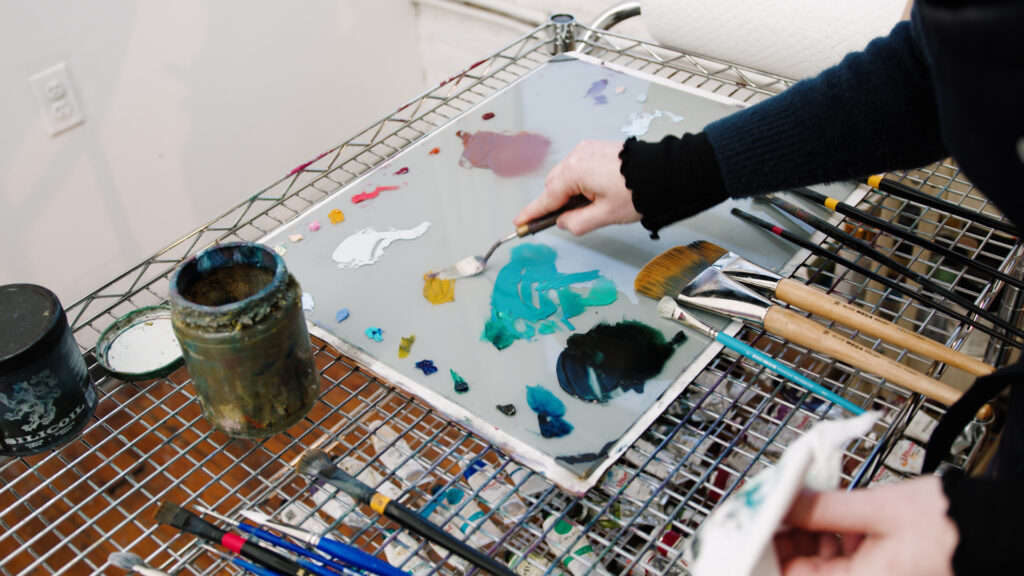
The physical setup of her palette remains consistent, a habit from school. Cooler colors on one side, warmer on the other. A full spread laid out in advance so she does not have to interrupt momentum. Oil paint offers flexibility. If something does not work, it can be scraped away. She prefers to paint wet on wet, working into the surface while it is still alive. Once a painting is fully dry, she finds it harder to reenter.
Over the past year she has shifted toward larger brushes and softer edges. She has long admired Gerhard Richter, particularly the blurring in his work. That softness aligns with her interest in distortion. In earlier paintings she relied more heavily on hard edges. Now she looks for tools that fan out, brushes that have worn down over time, even paper towels dragged across the surface. The distortion resists the impulse to paint exactly what she sees. It captures something closer to the sensation she is after.
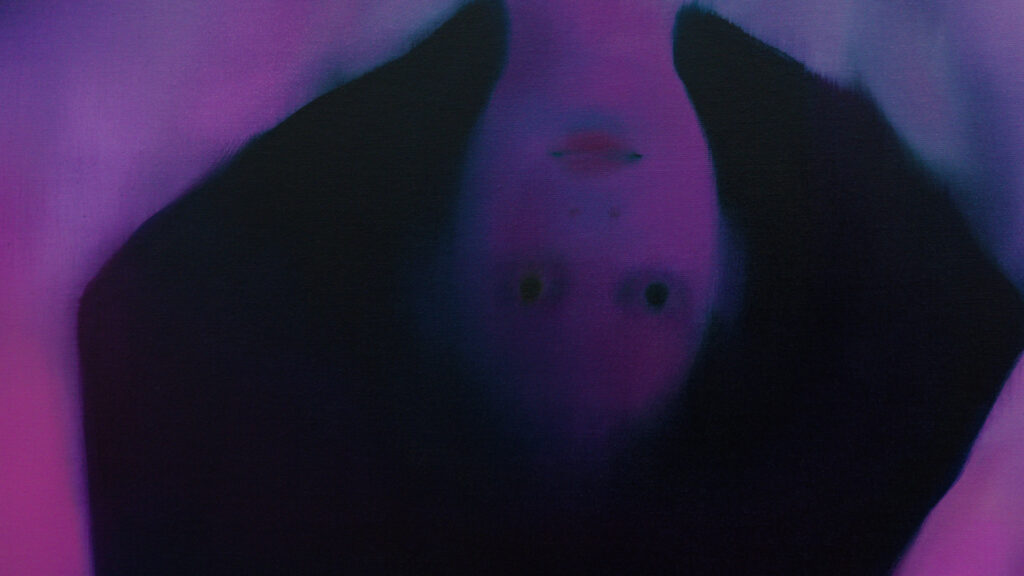
Color plays a significant role. She often photographs color combinations at exhibitions for later reference. Recently she has cycled through phases. Indigo gave way to Prussian blue. She has experimented with toning down saturation by mixing with raw umber. Vivid magenta appears frequently, especially in flesh tones, paired against greens and blues for contrast. She gravitates toward combinations where a fleshy pink vibrates against something cooler. The palette shifts in cycles, each phase marking a period in her thinking.
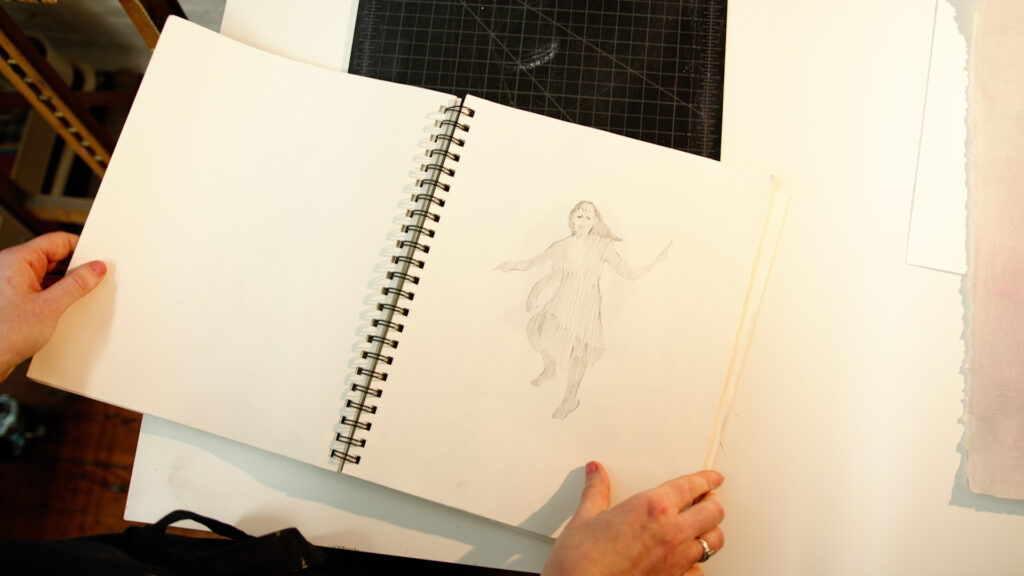
In addition to canvas, Clarke has begun working on Arches oil paper. The smaller scale allows for quicker studies completed within a day. On paper she tends to ignore detail, focusing instead on gesture and overall form. Many of these works will appear alongside larger paintings in her exhibitions. Drawing enters her practice more informally, often while traveling or at home. Sketches help her test compositions, but the act of dragging a brush across a large surface feels more freeing than pencil on paper.
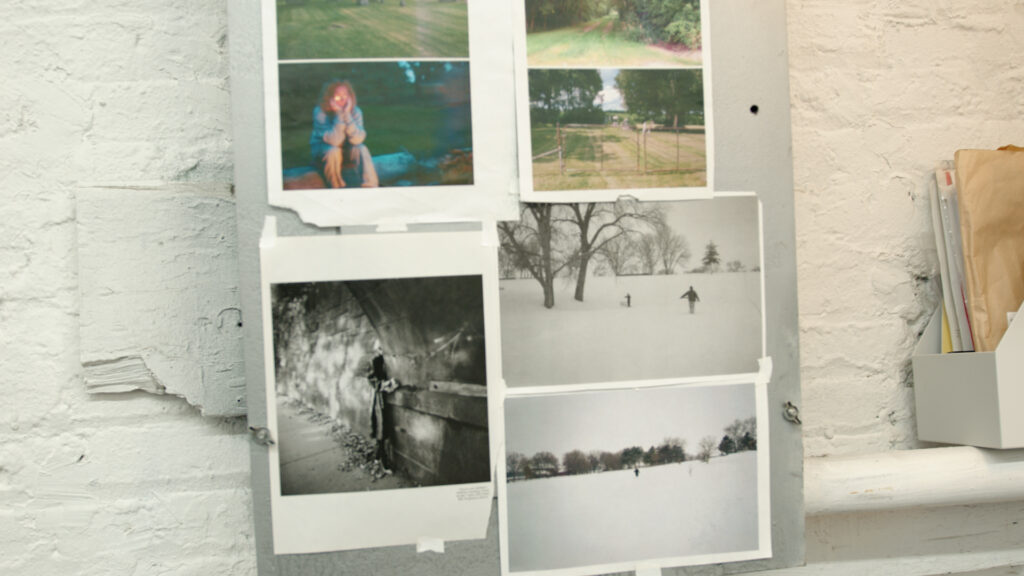
Family photographs are a constant source of imagery. When her parents moved from the small farm where she grew up, Clarke became the archivist of the family. She kept albums assembled by her parents and grandparents. Sorting through them became an investigative journey into her own history. Gestures in these photos often spark compositions. A rocking chair on a porch. A mother looking toward a waterfall. A group of figures arranged in an unguarded moment. These fragments reappear in altered form within her paintings.
One painting began with a black and white photograph of a woman stretched out on a chair by a pool. The absence of color in the original image allowed Clarke to invent her own. What started as a single reclining figure evolved into a crowded composition. Faces and hands emerged. The scene began to resemble a lifeboat floating in an ambiguous body of water. A sunset, borrowed from an old family vacation photo taken in Wyoming, formed the horizon. The final image hovers between dream and narrative, suggesting a threshold without explaining it. Clarke resists full interpretation. She prefers that viewers bring their own stories to the work.
The years after art school were not smooth. Loans accumulated. She juggled jobs she did not enjoy while painting in a small studio apartment in San Francisco, often next to her bed. There were moments when giving up seemed tempting. Life would have been easier with a different path. But she could never identify an alternative that felt right. Without a backup plan, she kept moving forward. Step by step.
Now, with a studio and a full time practice in Brooklyn, she looks back at the period when she painted primarily for herself with a kind of nostalgia. There was freedom in obscurity. The pressure was lower. She encourages younger artists to value that phase, to experiment without expectation, to make work that might fail. Even if a full time art career does not materialize, the act of making remains important.
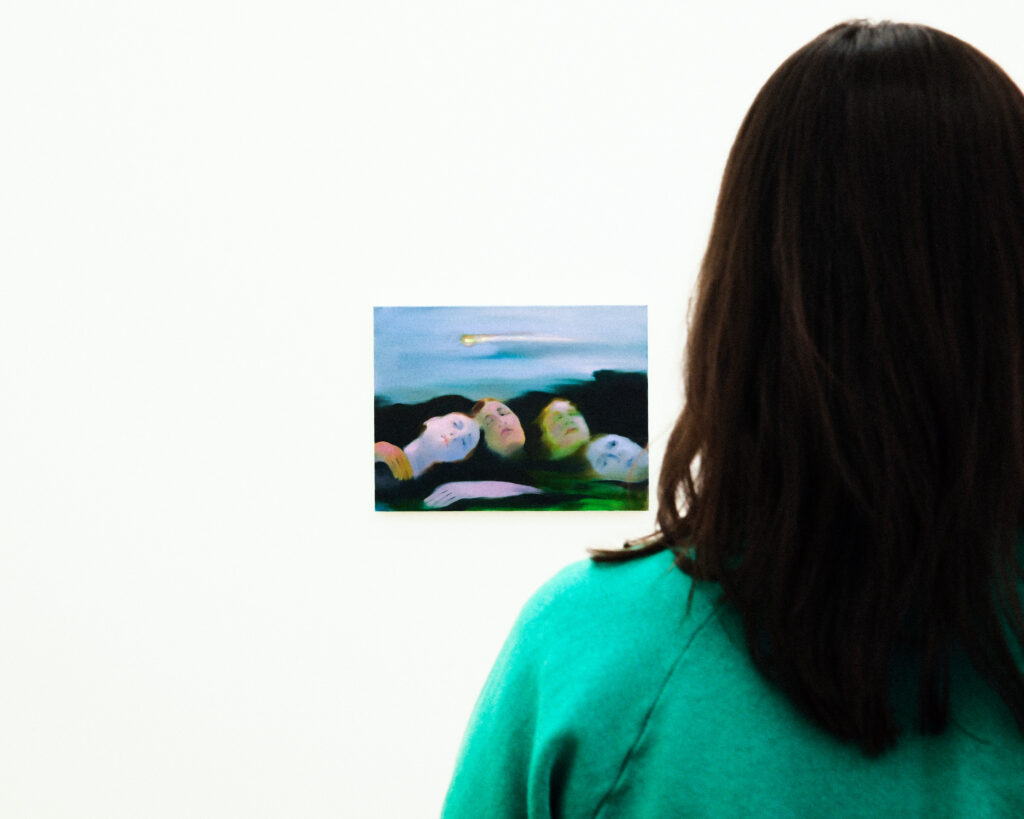
Cathleen Clarke’s paintings do not attempt to resolve the tension between clarity and obscurity. Instead they inhabit it. Figures drift between sharpness and blur. Scenes unfold without fixed narratives. Memory bends. Dream logic takes over. The surface of the painting becomes a site where reality softens and imagination fills the gaps. In that space, the void is not empty. It is active, shaping what we believe we remember and what we choose to see.
About the Author
Sam Burke is an American artist and writer based in New York City. Working across film, performance, and writing exploring storytelling, identity, and place. As co-founder of Timestamp, Burke interviews artists, shares insights, and highlights conversations shaping art world today.
Cathleen Clarke
Cathleen Clarke has always been drawn to the spaces where memory begins to thin out….
Kara Su
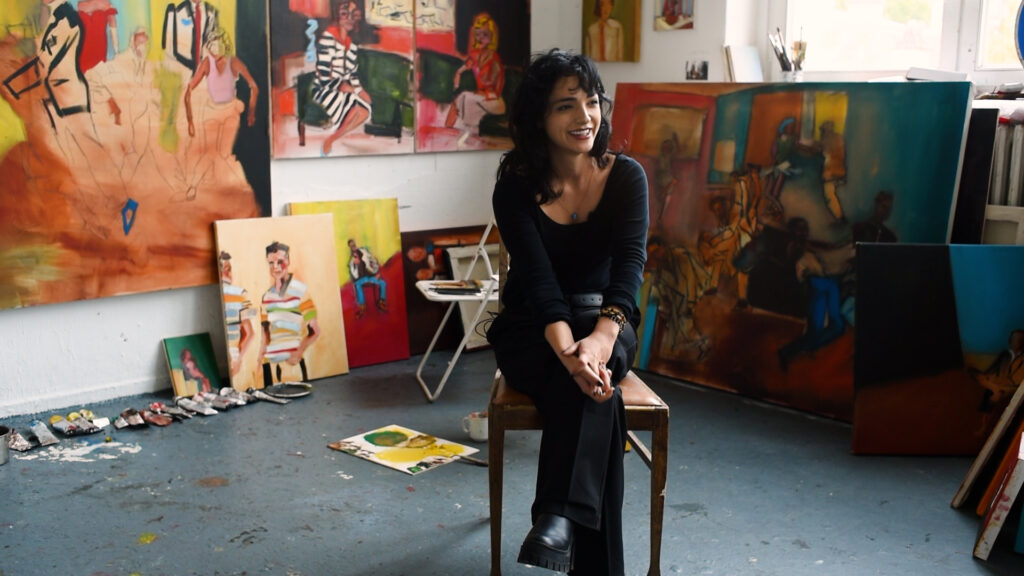
Born and raised in Berlin with Kurdish roots, Kara Su grew up far from the…
Logan Sylve
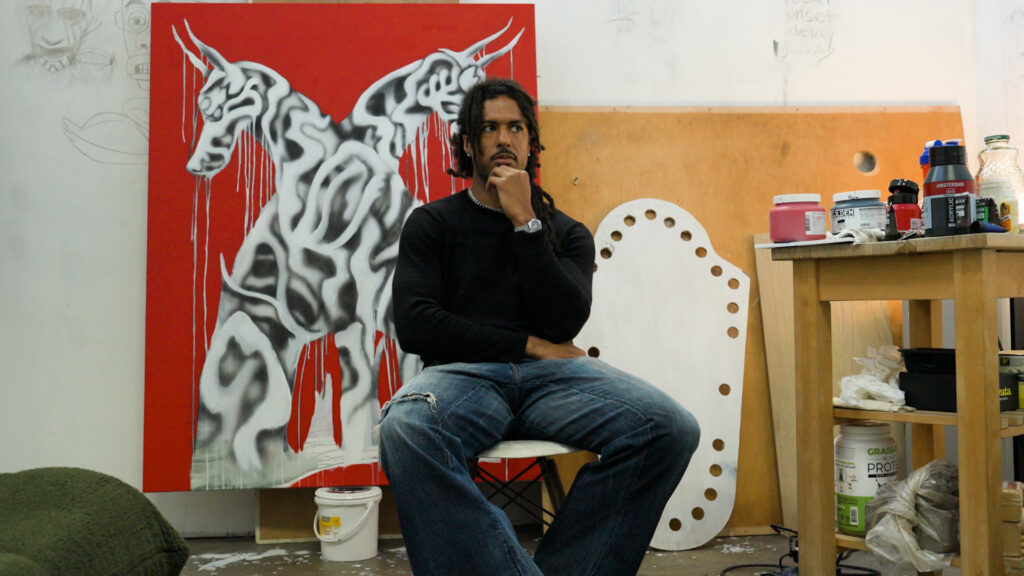
For Logan Sylve, painting is a steadfast companion. “I feel like painting is my first…
Mario Picardo
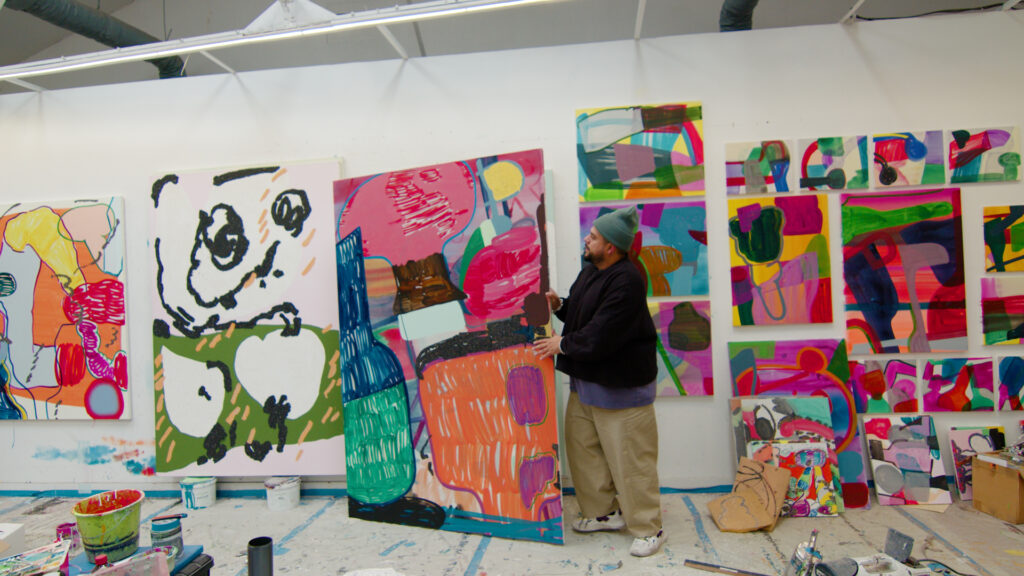
Mario Picardo approaches painting as a space of personal freedom. The studio is not a…
Hill Spriggins
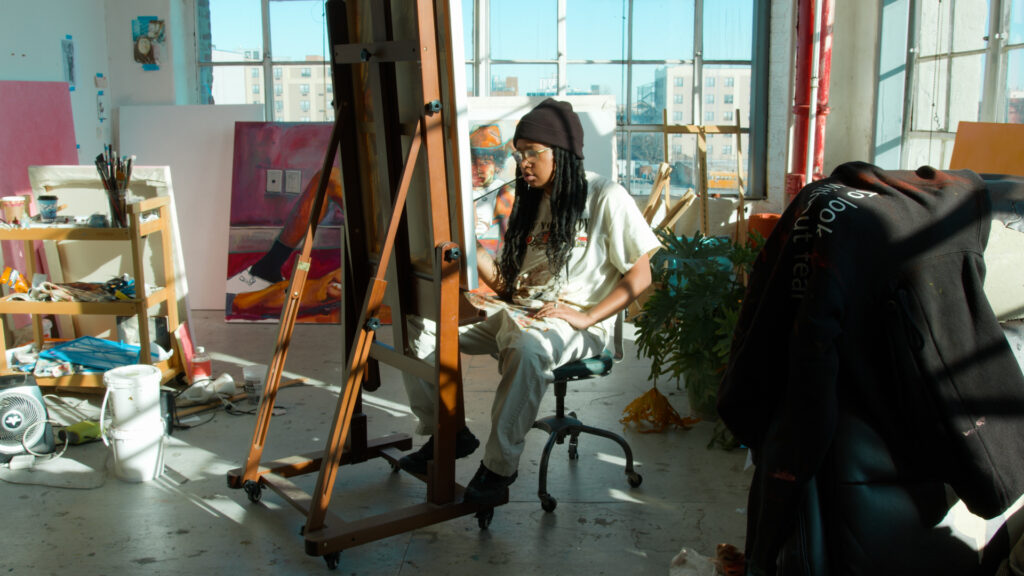
Originally from New Orleans, Louisiana, Hill Spriggins has been living and working in Brooklyn, New…
Brenda Zlamany
Brenda Zlamany has been painting for most of her life, and she speaks about it…