
The Limits of the Exhibition
Exhibitions are the cornerstone of contemporary art, serving as the primary way audiences encounter work. They offer a carefully curated encounter, a visual and spatial narrative that situates objects within a gallery context. But exhibitions, by their very nature, are inherently incomplete. They privilege finished outcomes over the processes that produce them, presenting resolved forms rather than the conditions, experiments, and missteps that underpin creation.
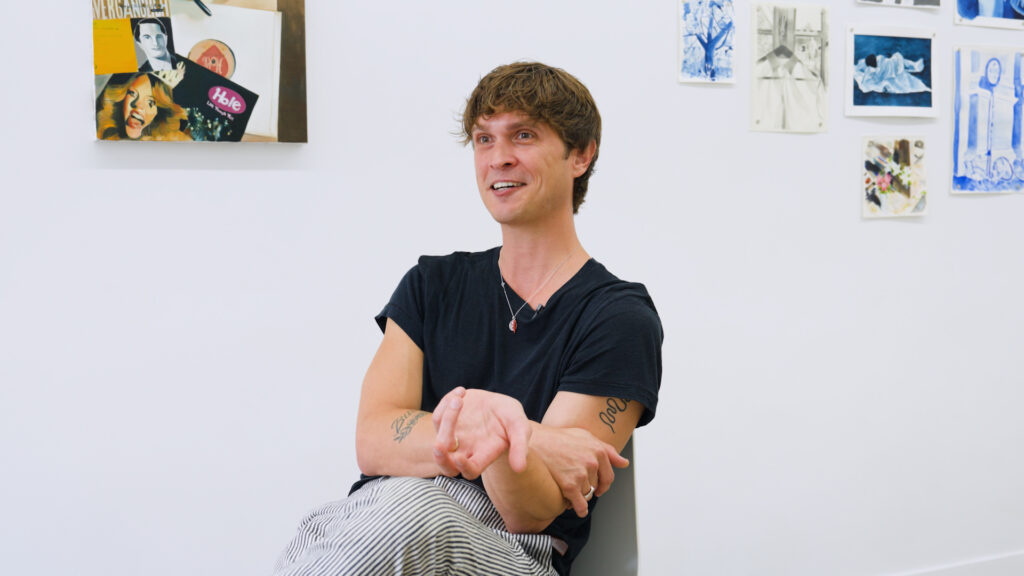
Wall texts are brief, designed to clarify rather than complicate. Catalog essays highlight selective aspects of a career or body of work. Press releases and institutional materials often simplify narratives for public consumption, smoothing over contradictions or ambiguities. While exhibitions provide essential visibility and cultural recognition, they rarely capture the richness of artistic thinking—the hesitation, the false starts, the private experiments that ultimately shape the work.
Even the most thoughtfully conceived exhibition offers a mediated view. It presents art as a completed object or series of objects, often curated to emphasize coherence and polish. This framing can obscure the complexity and provisionality inherent in the creative process. In other words, exhibitions are a lens, but not a mirror; they reflect the artist’s output, but rarely the messy, iterative processes that brought it into being.
Interviews as Process Documents
Artist interviews, in contrast, offer an unfiltered view of the thinking behind the work. They preserve what exhibitions cannot: thought in motion. In conversation, artists articulate the reasoning, experimentation, and intuition that shape their practice—often before it has been refined into theory or institutional language.
Interviews reveal the work of detours, dead ends, and practical constraints. Artists discuss challenges that may never appear in the gallery: technical failures, shifting conceptual priorities, or influences that are too personal or subtle to encode in an installation. These elements are central to understanding the work, not peripheral; they reveal the architecture of decision-making and the lived experience of making.
Over time, interviews themselves become primary documents. Art history relies heavily on letters, recorded conversations, and oral testimony to reconstruct movements, practices, and individual careers. Without these records, the texture of artistic life—the labor, intuition, and risk-taking—can vanish from memory, leaving only the polished record of exhibitions, market reception, and institutional recognition.
Speaking in One’s Own Voice
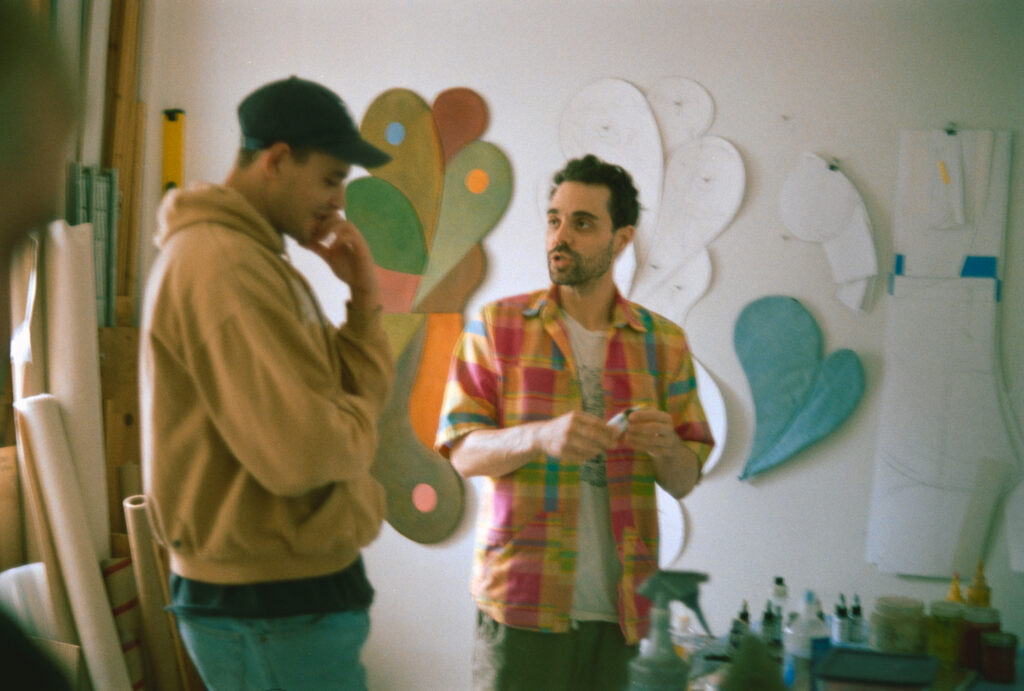
When artists are not recorded speaking for themselves, others inevitably speak on their behalf. Critics interpret, institutions contextualize, collectors and markets assign value. These perspectives are not inherently inaccurate, but they are partial, filtered through particular frameworks and agendas. Without first-hand accounts, the artist’s voice can be marginalized, and the work can be misread or flattened into a simplified narrative.
Interviews do not fix meaning or close interpretation; they add a vital layer. They allow artists to articulate their own logic, even when that logic is provisional, evolving, or contradictory. In this way, interviews foster a more nuanced understanding of art, one that accommodates ambiguity and acknowledges the ongoing negotiation between concept, material, and context.
Building a Living Archive
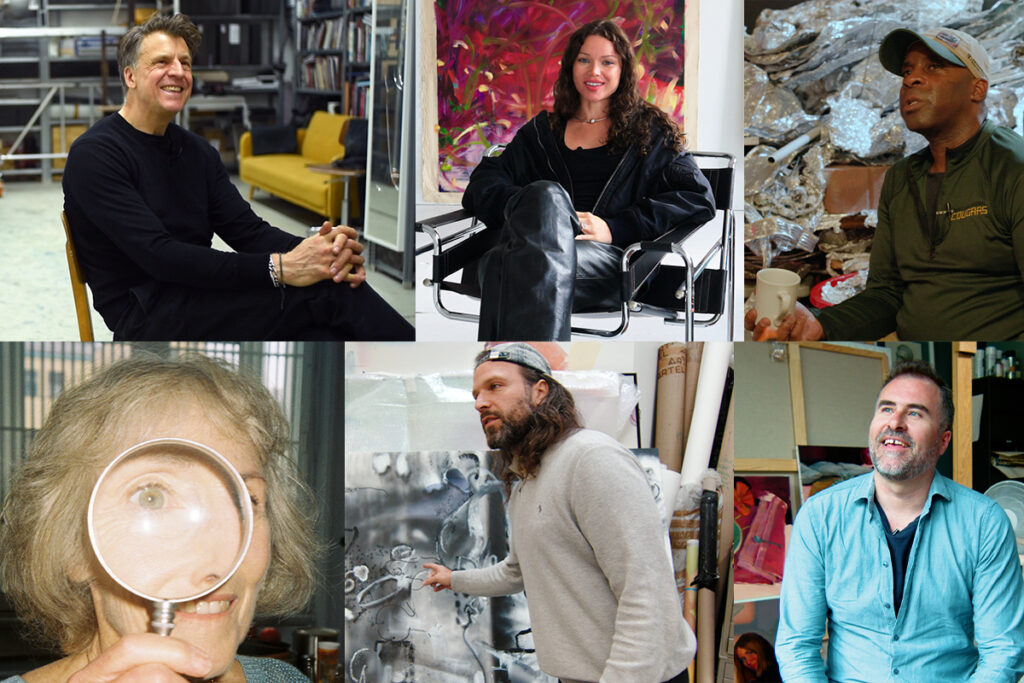
Long-form interviews function as a living archive rather than a static one. Unlike exhibitions, which capture a moment in time, interviews document the ongoing process of artistic inquiry. They record practice as it exists now, not merely as it will later be summarized or historicized.
This kind of documentation is especially important for artists working outside dominant institutional narratives or whose practices challenge conventional modes of display. Interviews preserve not only what the work is but also why and how it exists, offering a multi-dimensional record of artistic life that exhibitions alone cannot provide.
Conversations endure long after an exhibition closes. They allow future audiences, scholars, and fellow artists to engage with the underlying thought processes, uncertainties, and experiments that shape a practice. In preserving the reasoning alongside the result, interviews enrich our understanding of art, turning ephemeral processes into enduring knowledge.
Conclusion
Exhibitions are essential, but incomplete. They celebrate finished work while leaving much of the creative labor invisible. Artist interviews preserve the provisional, the experimental, and the unpolished—the aspects of practice that define and animate the work. They give artists a voice in their own narrative, offering insight into thought processes, decision-making, and lived experience.
In the broader ecosystem of contemporary art, interviews function as living archives, capturing what is often lost in the gallery: the work of thinking itself. Where exhibitions end, conversations remain, preserving not just the objects but the ideas, struggles, and insights that made them possible.

Cathleen Clarke
Cathleen Clarke has always been drawn to the spaces where memory begins to thin out….
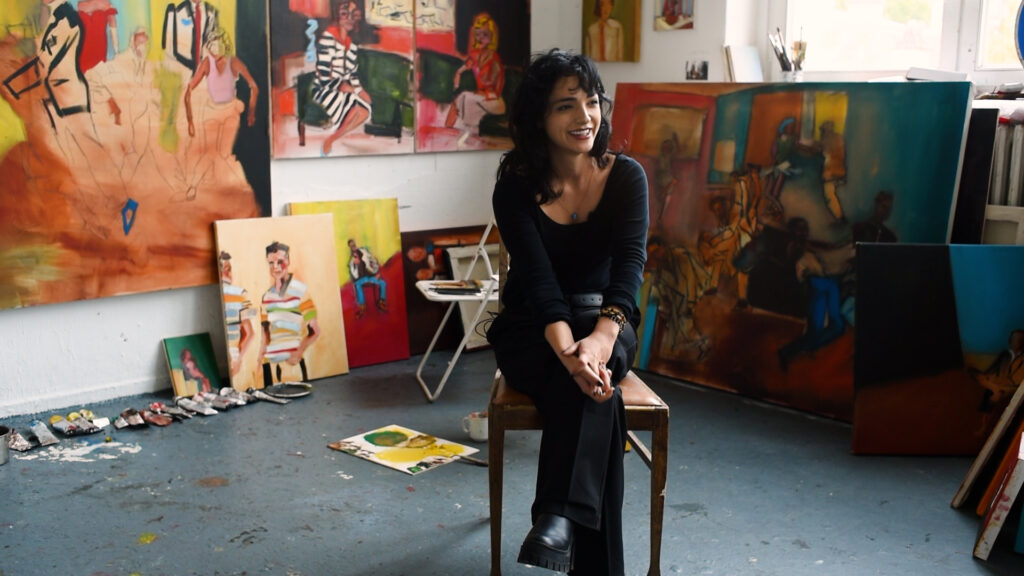
Kara Su
Born and raised in Berlin with Kurdish roots, Kara Su grew up far from the…
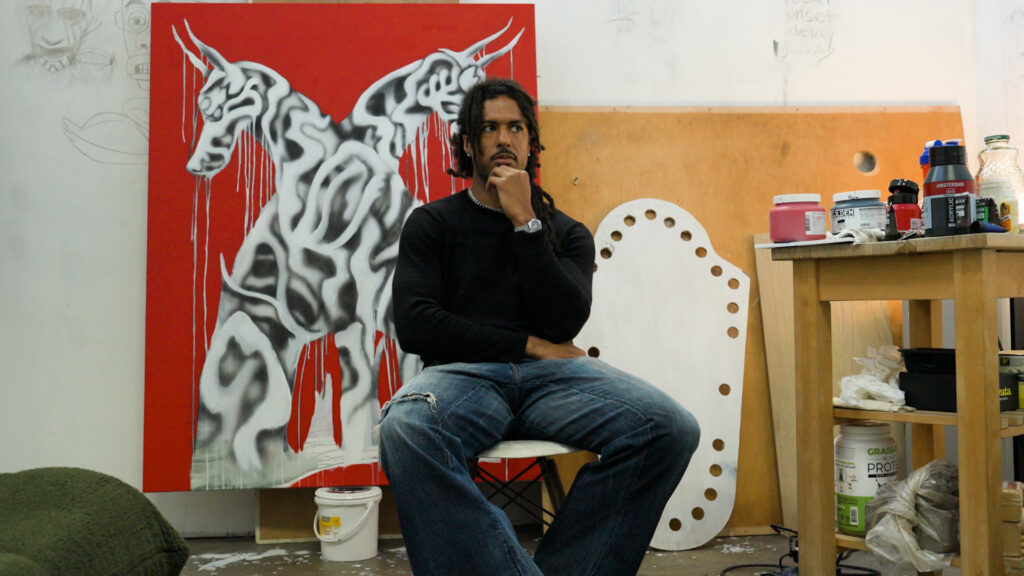
Logan Sylve
For Logan Sylve, painting is a steadfast companion. “I feel like painting is my first…
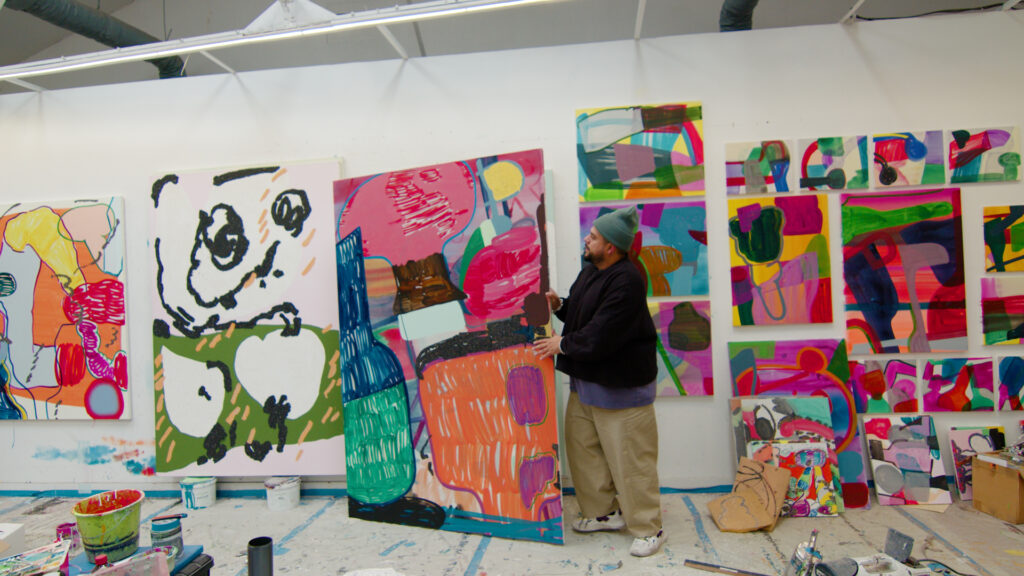
Mario Picardo
Mario Picardo approaches painting as a space of personal freedom. The studio is not a…
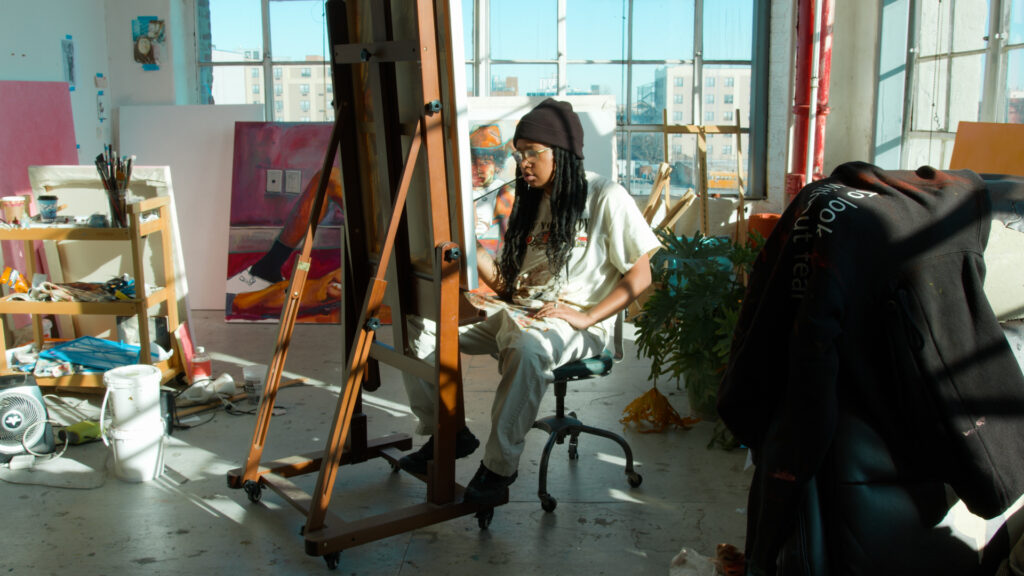
Hill Spriggins
Originally from New Orleans, Louisiana, Hill Spriggins has been living and working in Brooklyn, New…
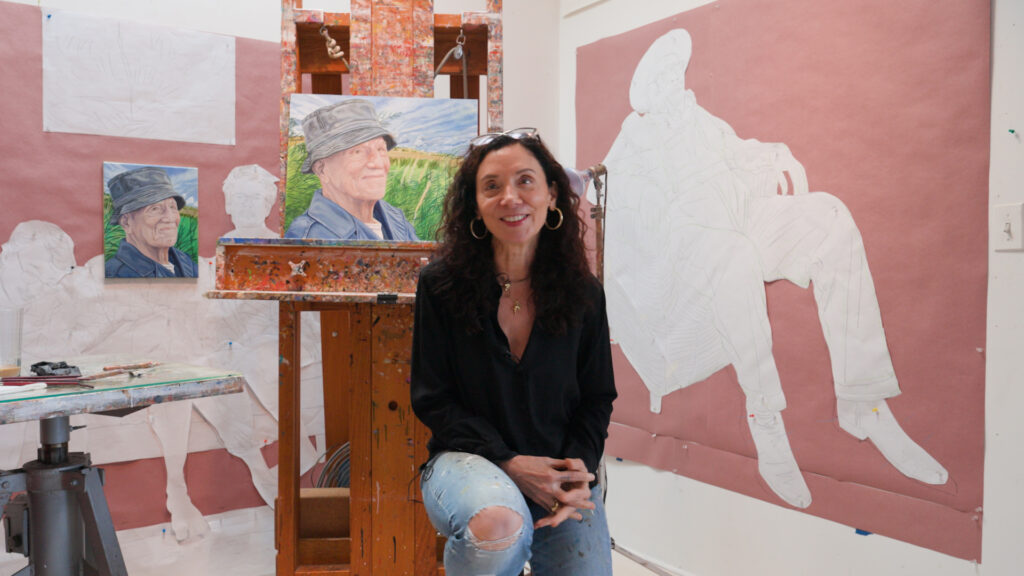
Brenda Zlamany
Brenda Zlamany has been painting for most of her life, and she speaks about it…