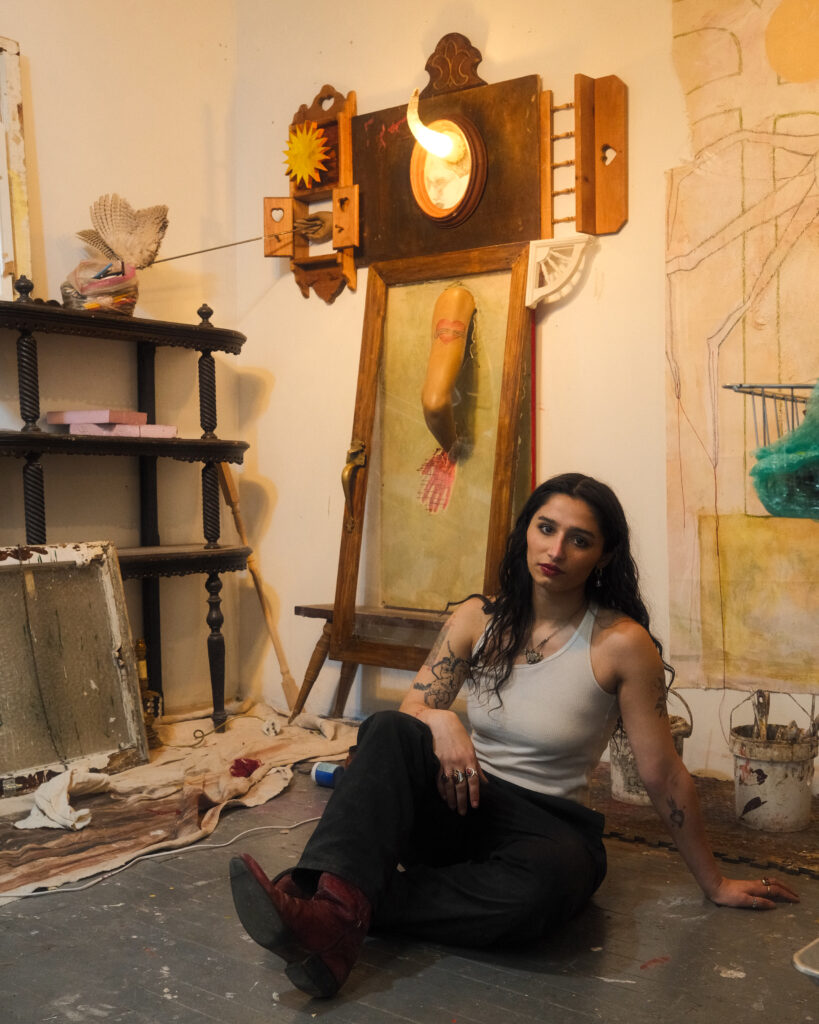
Amy Bravo’s work unfolds as a raw, layered exploration of emotion, memory, and identity. An ever-evolving practice rooted in intuition, material history, and lived experience. Raised between Queens and New Jersey, Bravo draws deeply from her upbringing, where domestic spaces, family objects, and cultural inheritance shaped her earliest understanding of creativity. Her work today still carries that origin: tactile, personal, and grounded in the everyday.
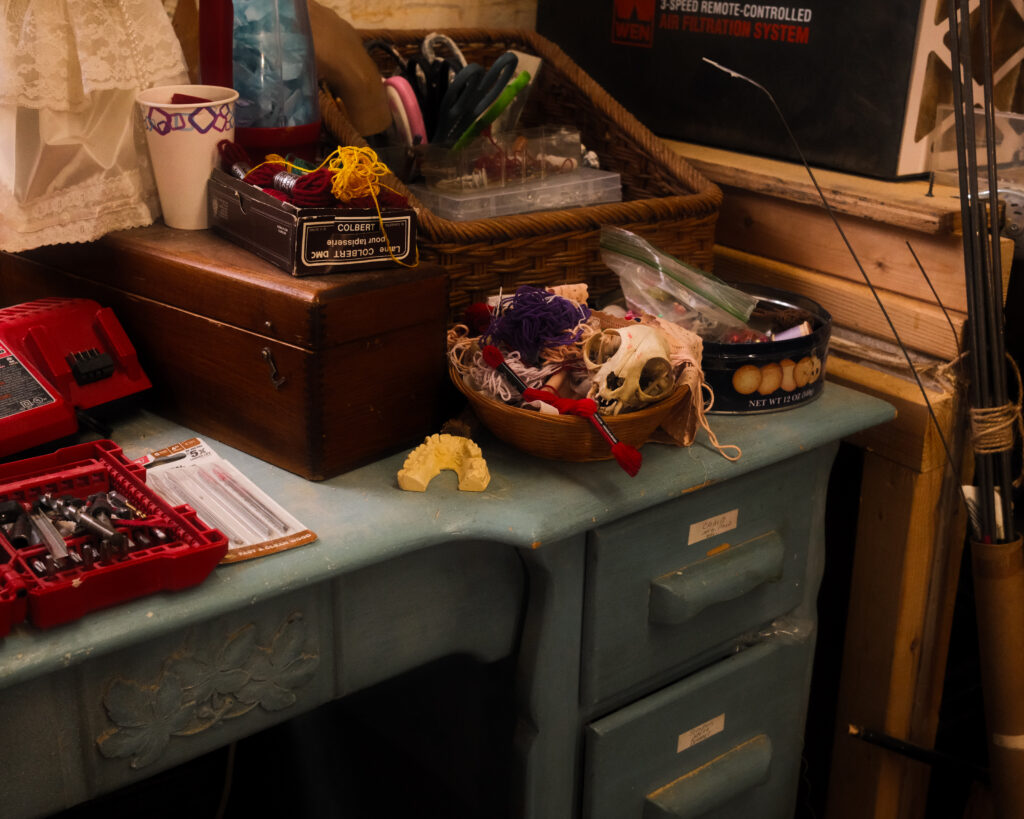
From the start, art was not something distant or institutional, it was something you did at home. Learning alongside her mother, an art teacher who worked with children, Bravo’s introduction to making came through craft: glue, found materials, improvisation. This foundation continues to define her approach. Rather than seeking out pristine, high-end materials, she gravitates toward objects that have already lived a life, items that hold traces of previous owners, uses, and emotional weight. Whether sourced from family homes, thrift stores, or discarded piles, these materials bring with them a sense of continuity and narrative that new objects simply cannot provide.
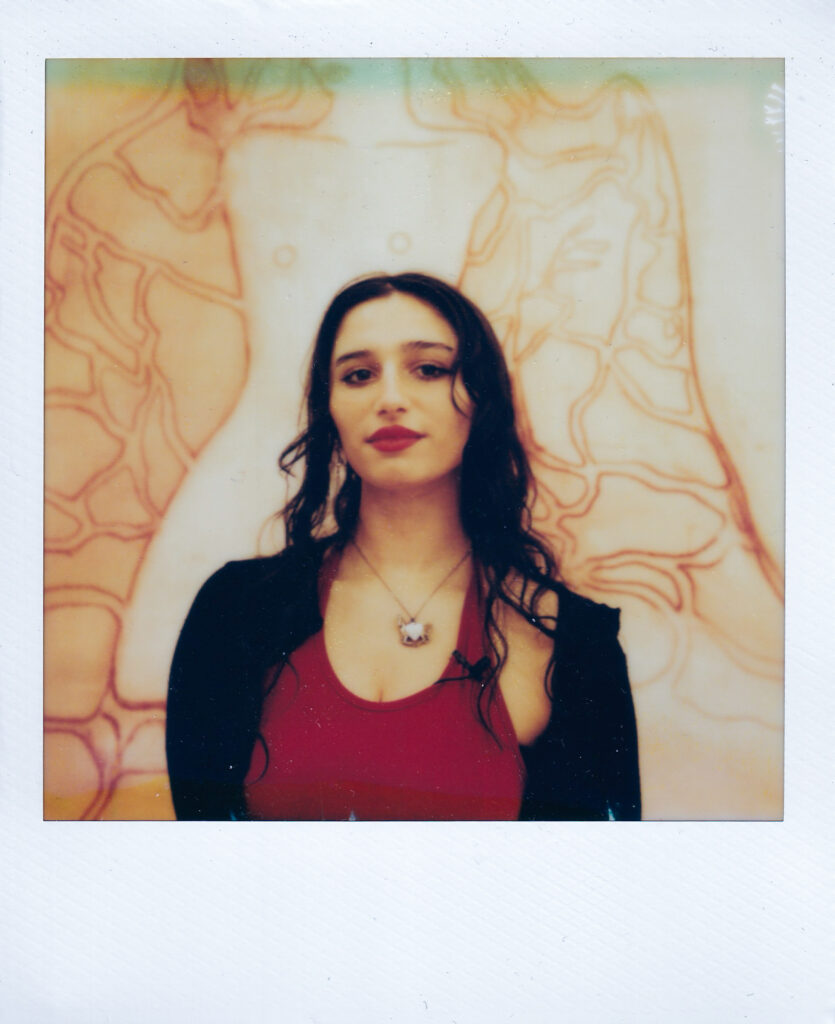
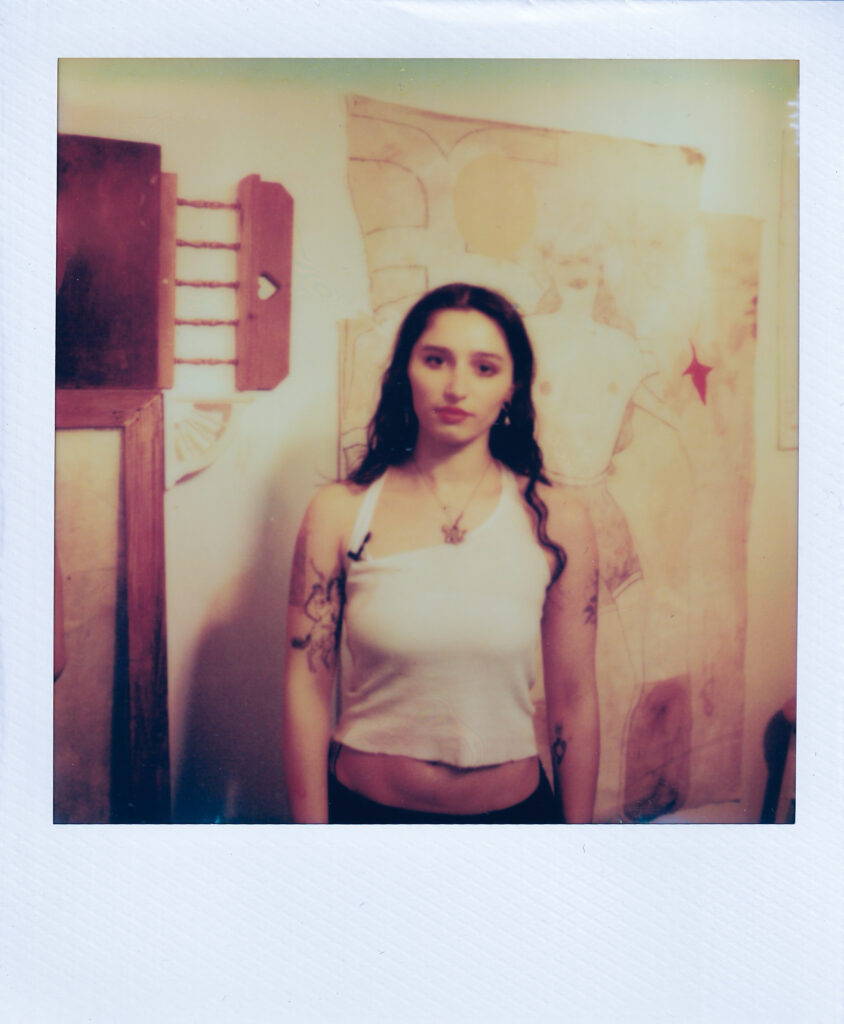
This sensitivity to history transforms her work into a kind of emotional archive. Early on, Bravo was interested in directly preserving and retelling family stories, embedding personal history into her pieces through recognizable objects and references. Over time, however, her focus shifted. Instead of documenting what is known, she became fascinated by what is missing: the gaps, distortions, and silences within those histories. Influenced in part by the introspective, fragmented writing of Clarice Lispector, Bravo began to embrace ambiguity, allowing her work to drift into more poetic and conceptual territory. In these spaces, narrative is no longer fixed; it becomes fluid, open to reinterpretation.
At its core, Bravo’s practice is deeply emotional. Her work acts as a vessel for processing complex feelings about family, love, anger, identity, and power. Rather than expressing these emotions outwardly, she channels them into physical form. The act of making becomes a method of containment and transformation: chaos, confusion, and intensity are embedded into the work, allowing her to step away with greater clarity. This process gives her practice a therapeutic dimension, though it never feels purely introspective, it’s always reaching outward, inviting viewers to recognize something of themselves within it.
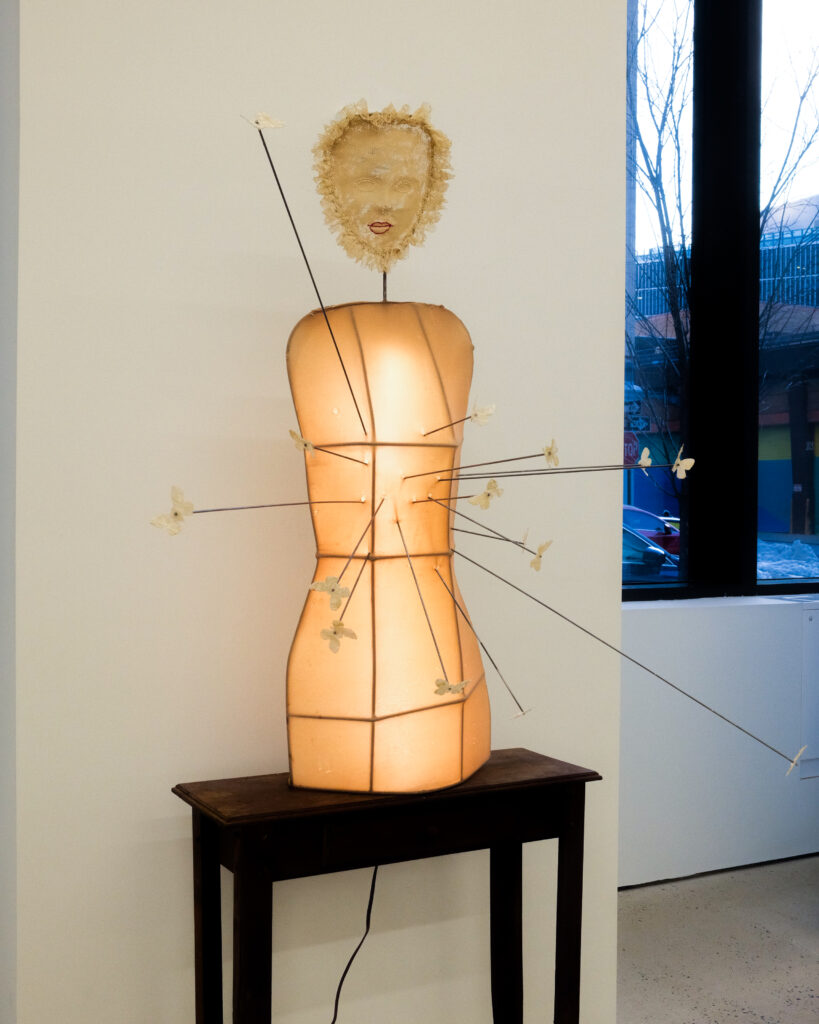
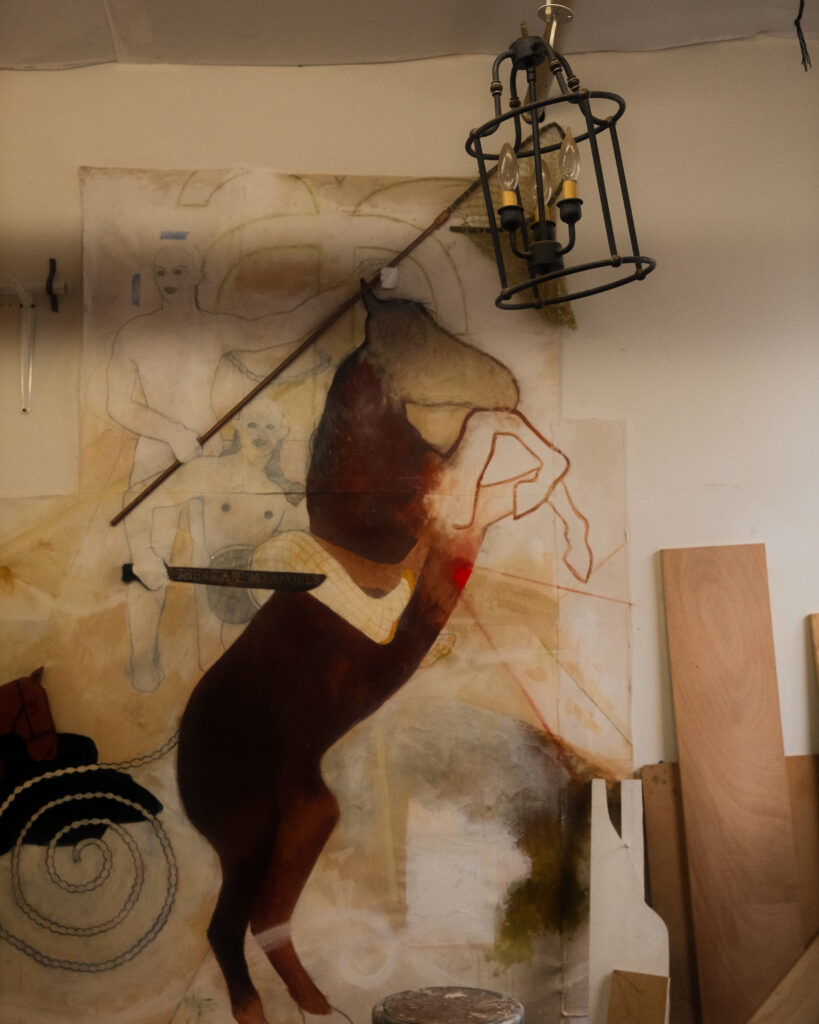
Materially and structurally, Bravo resists categorization. Her work sits between painting and sculpture, often merging the two into what she describes as “Franken paintings.” These hybrid forms challenge traditional distinctions, combining flat surfaces with protruding elements, soft materials with hard structures, and refined techniques with rough, improvised gestures. In doing so, she questions the hierarchies that often separate “fine art” from “craft.” A welded steel structure might sit alongside fabric, beads, or found household items, creating a visual language that feels both intentional and unruly.
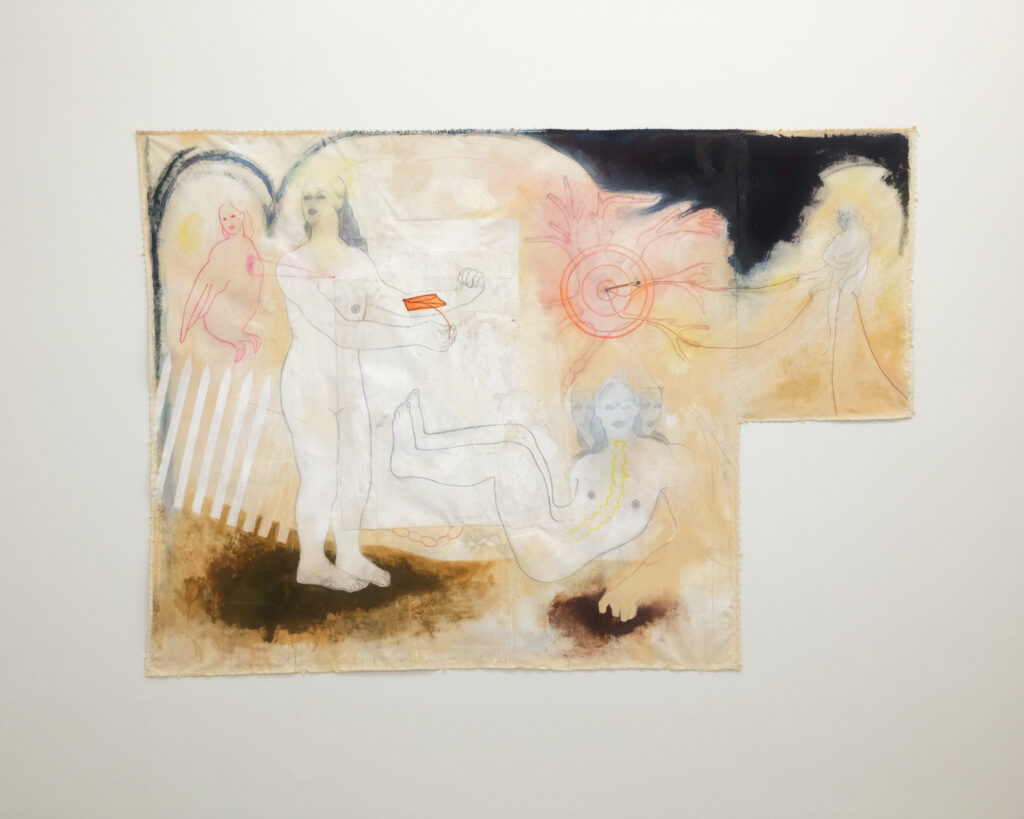
This hybridity extends into her process, which is driven less by planning and more by discovery. Bravo embraces uncertainty, allowing materials to guide the outcome rather than imposing strict control. Mistakes, breakages, and unexpected shifts are not obstacles, they are essential to the work. She describes her process as “failing into things,” where each disruption opens a new path forward. This openness keeps the work alive, ensuring that it never becomes static or overly resolved.
The physicality of her practice is also significant. From assembling large-scale installations to experimenting with welding and fabrication, Bravo pushes her work into spaces that are often perceived as inaccessible, particularly for women. Entering these environments has not always been easy, but she approaches them with the same determination that defines her broader practice. By combining traditionally “masculine” techniques like metalwork with her craft-based origins, she creates a language that is uniquely her own, one that refuses to conform to expectations.
Recurring symbols and figures play a central role in her work’s narrative depth. One of the most notable is the rooster, a motif that began as a representation of machismo within her cultural and familial context. Over time, however, this symbol evolved, merging with her own figure and becoming something more complex. What once represented an external force now reflects internal tensions, embodying traits she both resists and recognizes within herself. This transformation speaks to a larger theme in Bravo’s work: the fluidity of identity and the inevitability of self-confrontation.
Her central figure often described as a powerful, ambiguous avatar, serves as a conduit for these explorations. This character is strong, defiant, and emotionally charged, embodying both vulnerability and control. In many ways, the figure represents a version of Bravo that exists beyond the limitations of everyday life; a space where she can fully inhabit her strength, anger, and agency. The body itself becomes symbolic: not sexualized or decorative, but functional, resilient, and capable.
Underlying all of this is a tension between love and conflict. Bravo is deeply interested in how these emotions coexist. How you can feel both affection and frustration toward the same people, the same histories, the same systems. Her work doesn’t attempt to resolve this tension; instead, it holds it in place, allowing both sides to exist simultaneously. This duality gives her pieces a charged, almost electric quality, where nothing feels entirely settled.
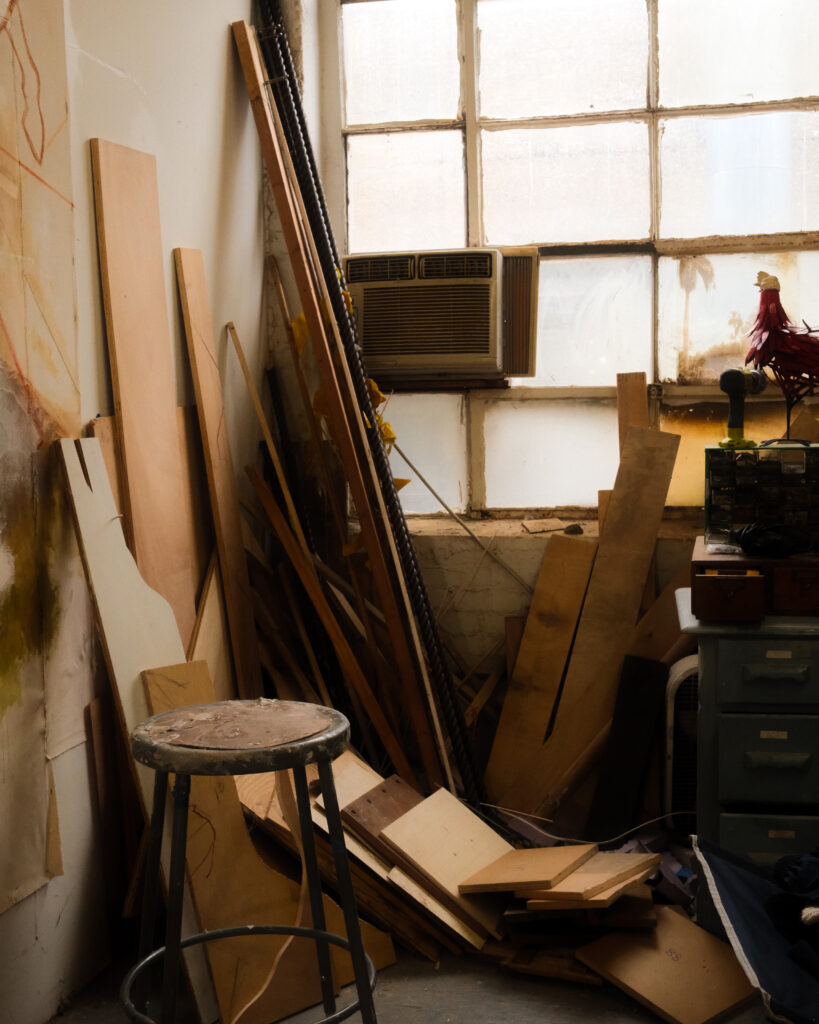
At the same time, her practice is shaped by the realities of being a working-class artist. Financial instability, limited resources, and the constant pressure to sustain a creative career are ever-present challenges. Bravo speaks openly about the difficulty of balancing artistic ambition with practical survival. Working multiple jobs, questioning whether to continue, and navigating the high costs of maintaining a studio practice. Yet these constraints have also fueled her resourcefulness. Her ability to create ambitious, large-scale work from limited means is a testament to her resilience and determination.
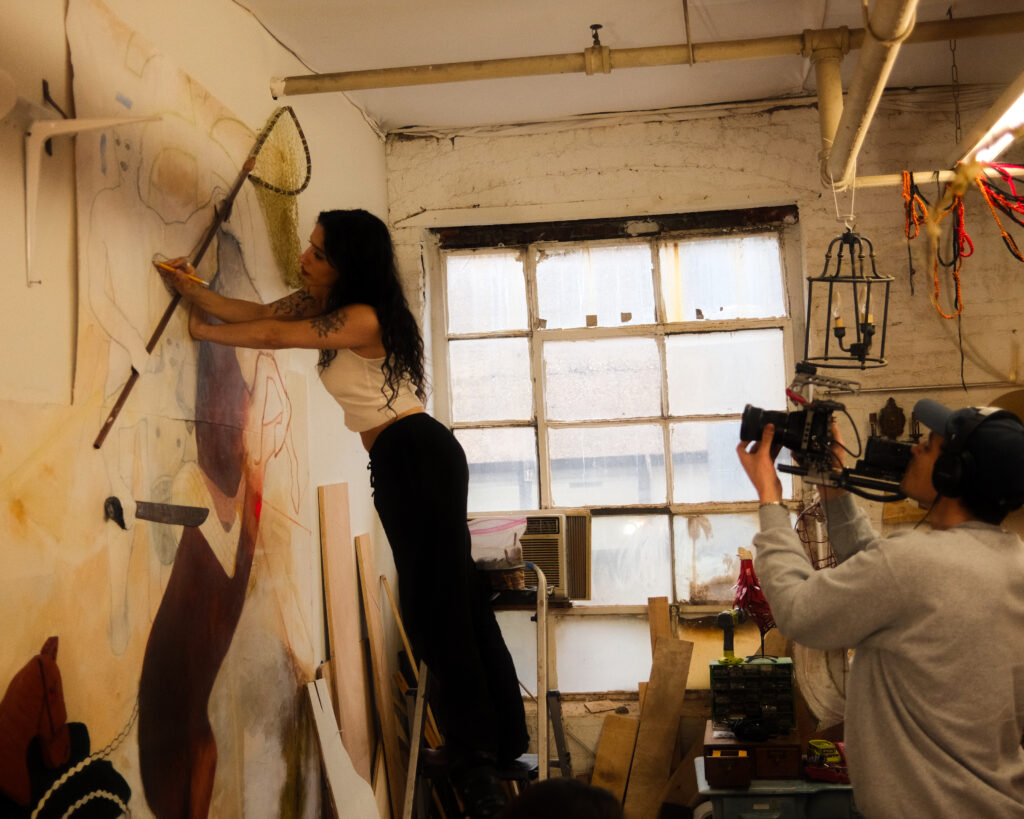
Community plays a crucial role in sustaining that momentum. Rather than embracing the stereotype of the solitary artist, Bravo emphasizes collaboration, support, and shared growth, particularly among women and queer artists. She views success not as an individual achievement but as something collective, something that can and should be extended to others. Every opportunity becomes a chance to open doors for those who follow, creating a network of mutual support in an often competitive and exclusionary field.
Her relationship to the audience reflects this ethos. Bravo’s work is not always easy to live with, physically or conceptually. It can be large, complex, and demanding, requiring viewers to engage with it on its own terms. But this is intentional. She resists the idea of making work that is easily consumable or purely decorative. Instead, she trusts that the right audience will find it, those willing to embrace its complexity and live with its challenges.
Even the idea of “finished” work is something she questions. For Bravo, a piece should never feel completely resolved. There should always be a sense that it could continue, evolve, or even break apart again. This openness keeps the work dynamic, resisting closure in favor of ongoing possibility.
Ultimately, Amy Bravo’s practice is about transformation: of materials, of emotions, of identity. It is about taking what is discarded, overlooked, or unresolved and turning it into something powerful and alive. Her work invites viewers into a space where contradictions are not only accepted but necessary, where love and anger coexist, and where the process of becoming is never truly complete.
About the Author
Sam Burke is an American artist and writer based in New York City. Working across film, performance, and writing exploring storytelling, identity, and place. As co-founder of Timestamp, Burke interviews artists, shares insights, and highlights conversations shaping art world today.
Stéphane Koyama-Meyer
French visual artist and designer based near Basel, Stéphane Koyama-Meyer grew up surrounded by art,…
Yuval Bezalel
For Yuval Bezalel, painting begins with the hands, before there is a narrative, before there…
Adèle Aproh
For Adèle Aproh, drawing began long before she knew it could become a career. Her…
Félix Deschamps Mak
Félix Deschamps Mak is a French painter based in Paris, working in large scale figurative…
Katya Quel
Katya Quel is an artist and multidisciplinary creator, born and raised in Moscow, who now…
Why Dia Beacon Deserves a Full Day of Your Attention
There are museums you visit to check a box. And there are museums that quietly…