
There are museums you visit because they’re famous. Then there are museums you visit because you feel called to them.
During our time in Switzerland, one destination sat at the very top of our list: Fondation Beyeler. We had heard countless artists, curators, and collectors speak about it over the years, but nothing could have prepared us for what it actually felt like to experience it in person.
If you’re planning a trip to Switzerland, we cannot recommend Fondation Beyeler highly enough.
For New Yorkers, the closest comparison might be DIA Beacon. Not because the museums are identical, but because both transform viewing art into something much deeper than simply walking through galleries. They slow you down. They ask for your attention. They create space for contemplation.
Visiting Fondation Beyeler felt less like checking another museum off our itinerary and more like making an art pilgrimage. I left the institution feeling like it gave me something that I could have never asked for.
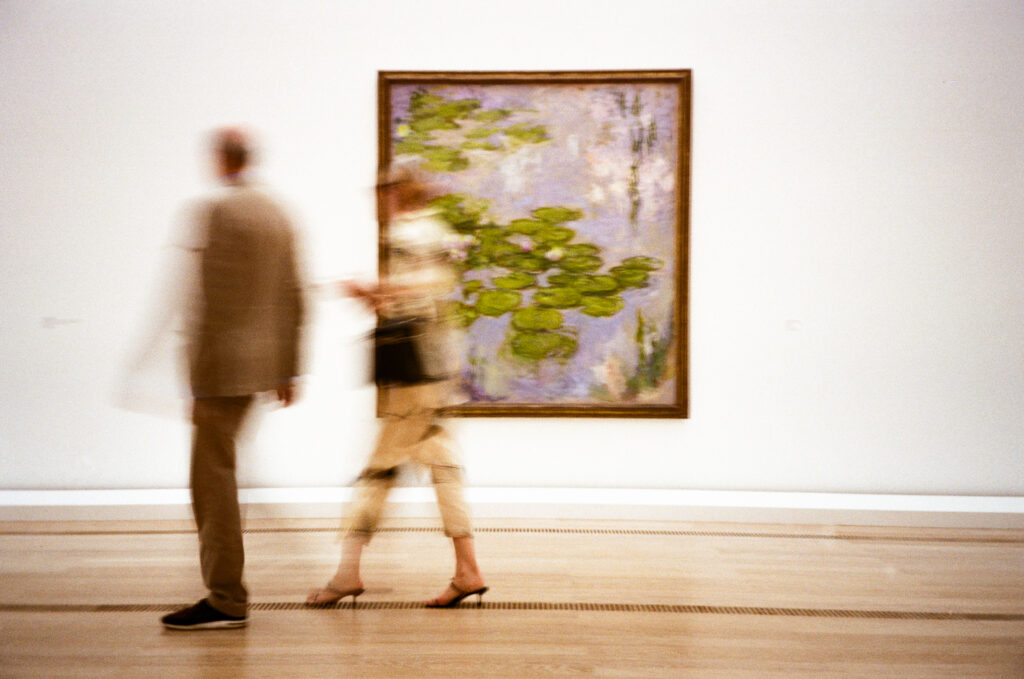
A Museum That Changes Your State of Mind
Long before we reached the galleries, there was already a sense that this place was different. The architecture, the surrounding landscape, and the calm atmosphere prepare you for what’s inside.
Then you enter.
Almost immediately you’re greeted by three extraordinary paintings by Claude Monet.
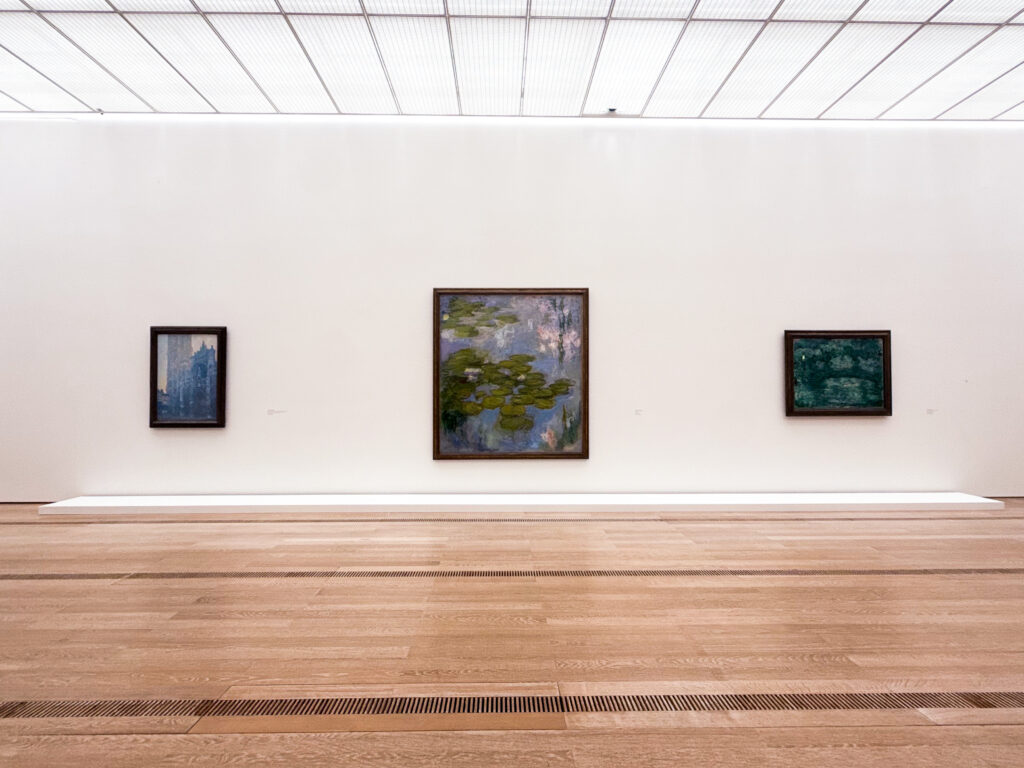
They’re not hidden away or competing for attention. They simply exist, quietly commanding the room. Standing before them, you feel the weight of history and the privilege of seeing these works in person.
It’s one of those rare moments that reminds you why reproductions, books, and screens can never replace the experience of standing face-to-face with an original painting.
The museum itself carries the same atmosphere as a great library or a sacred place. People naturally lower their voices. Conversations become whispers. No one tells you to be quiet. You simply want to be.
Instead of rushing from artwork to artwork, you begin to slow down. You spend more time looking. More time thinking. More time noticing.
That may be one of Fondation Beyeler’s greatest achievements. It creates the conditions for genuine looking.
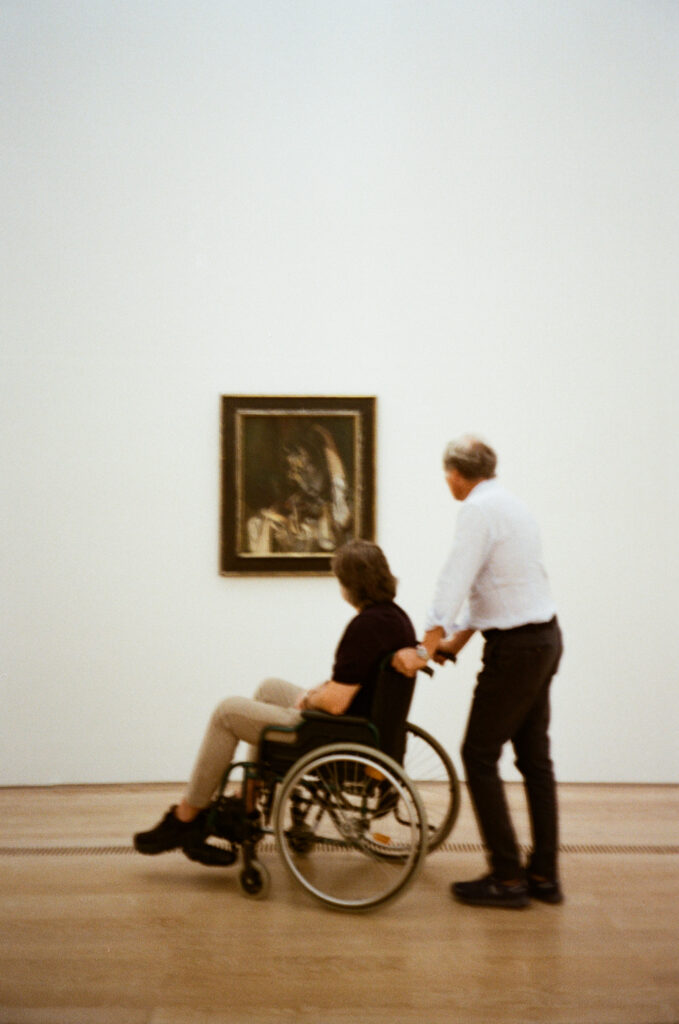
Highlights from Fondation Beyeler
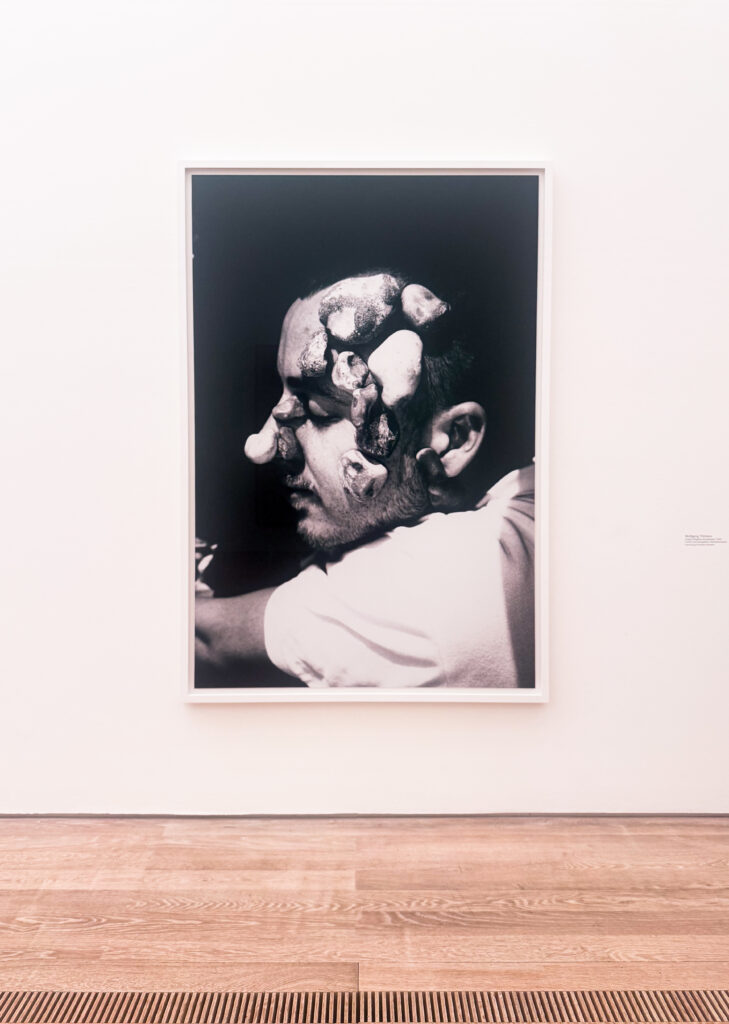
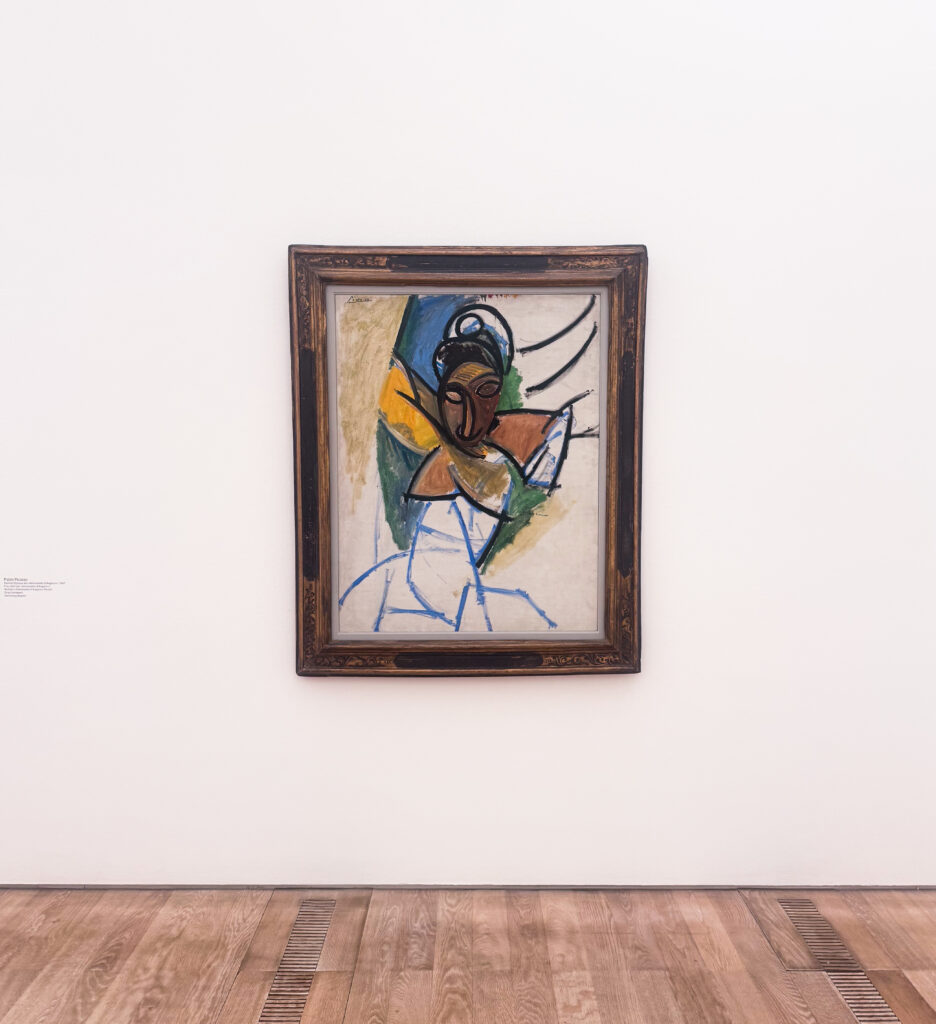
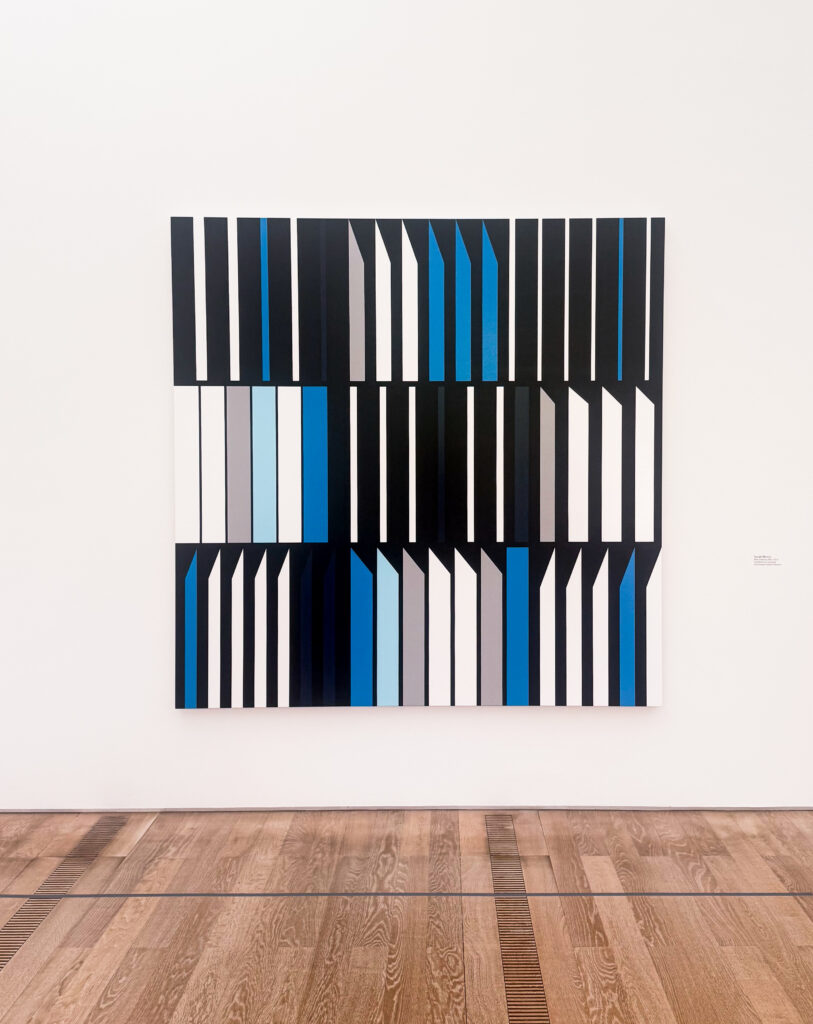
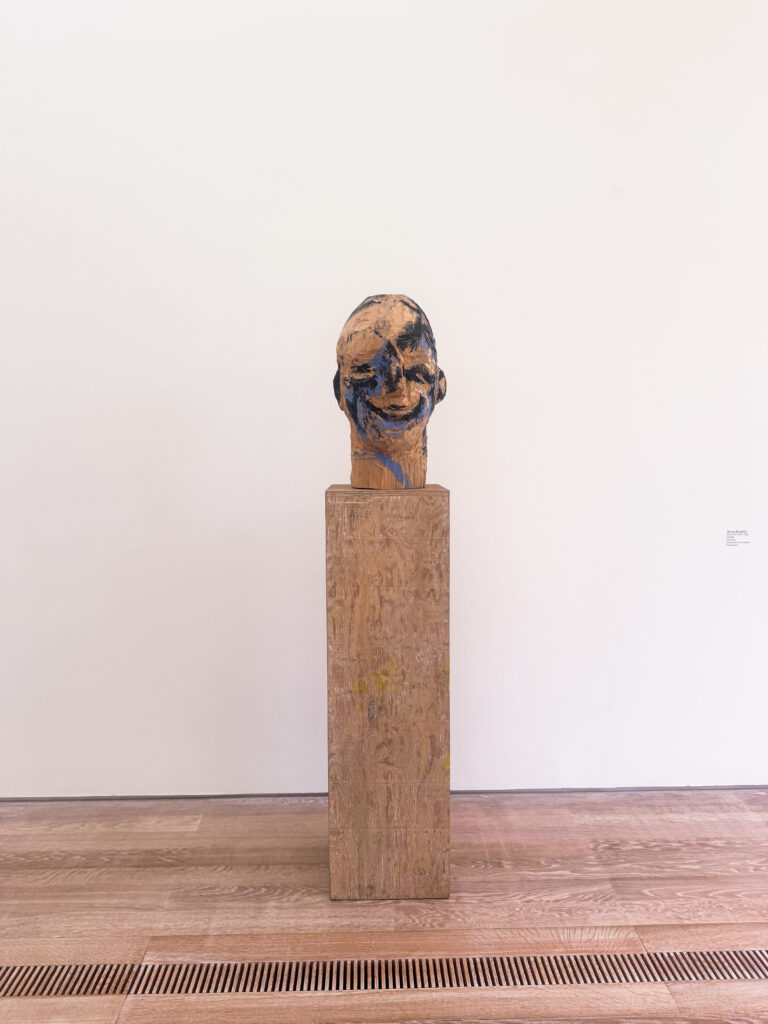
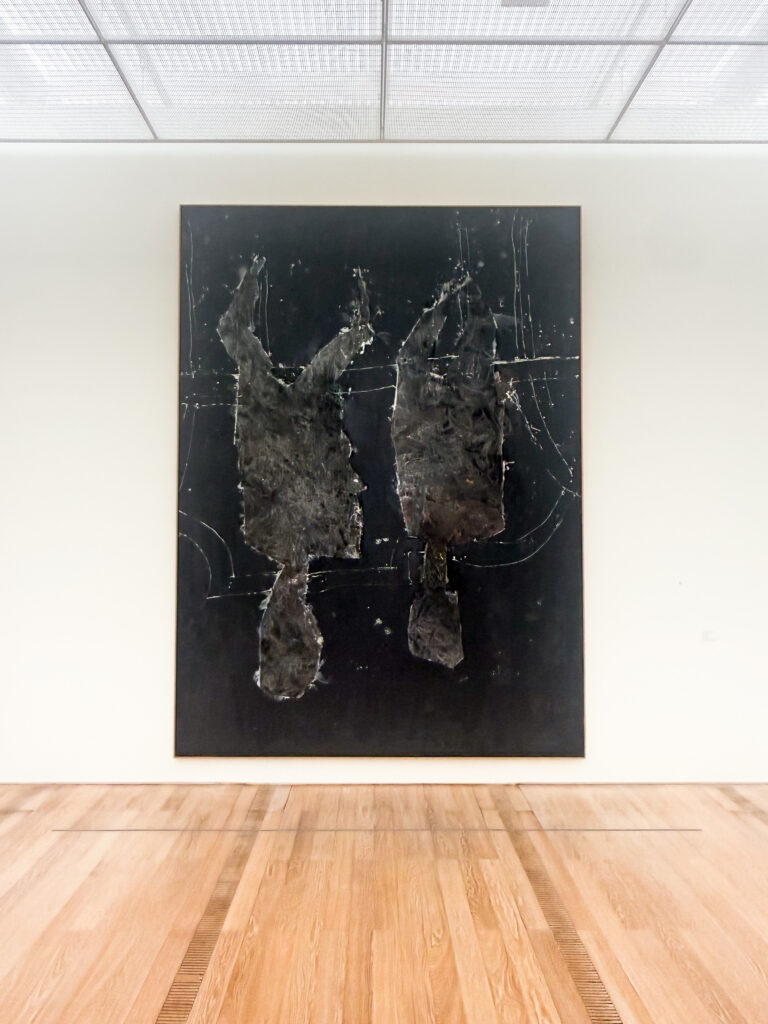
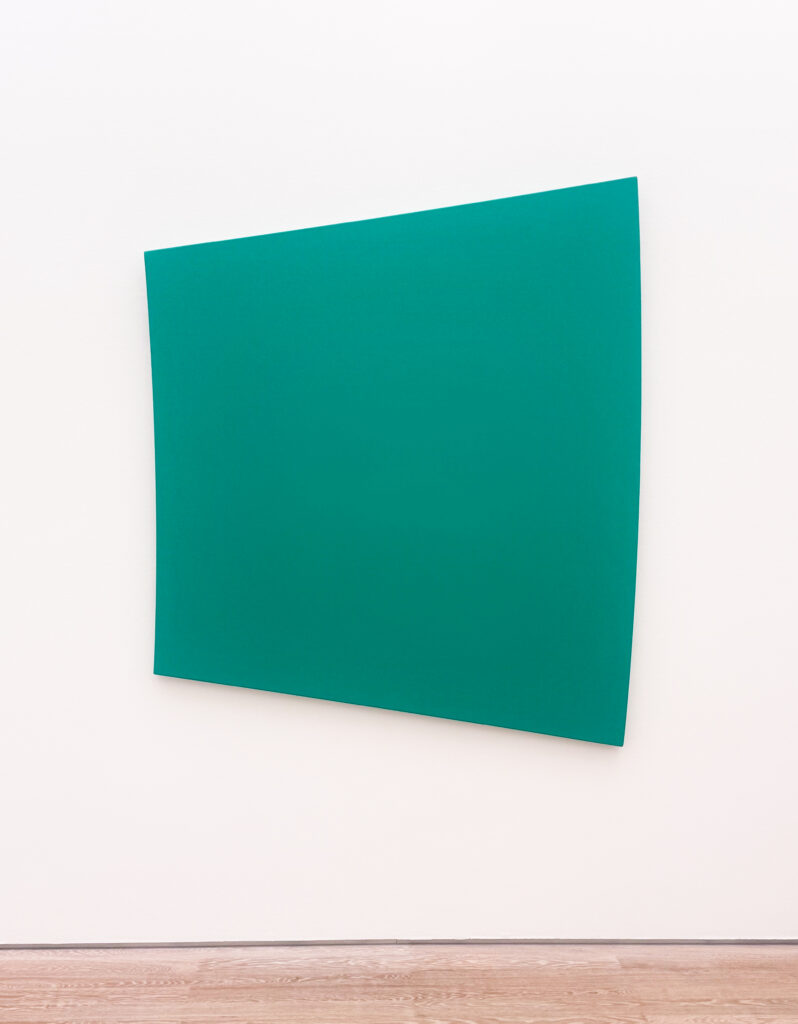
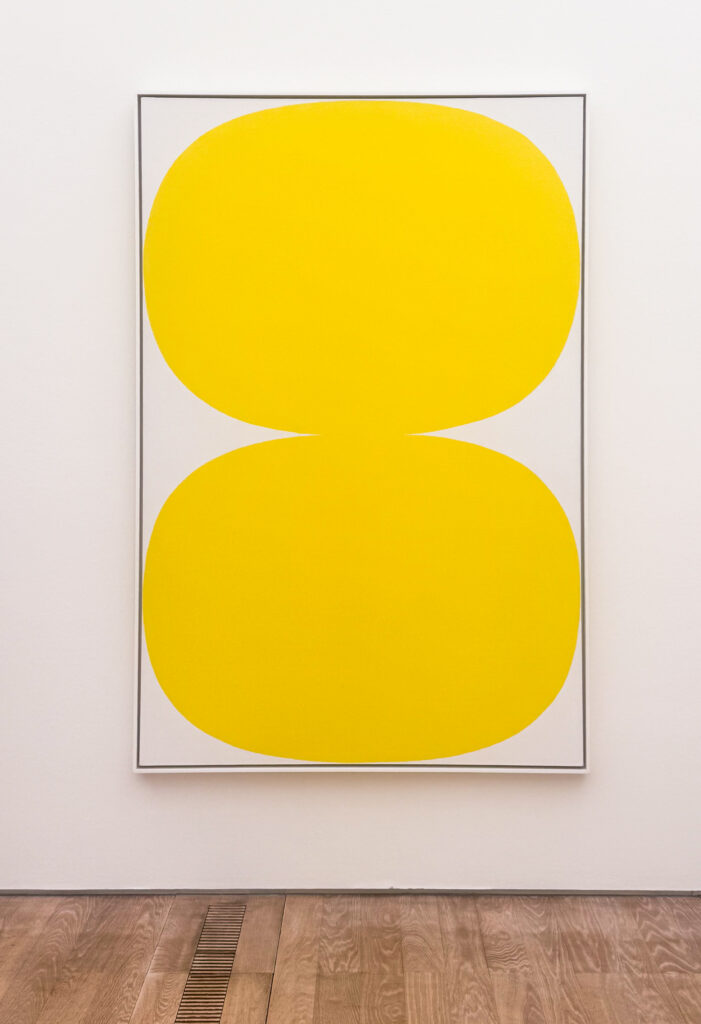
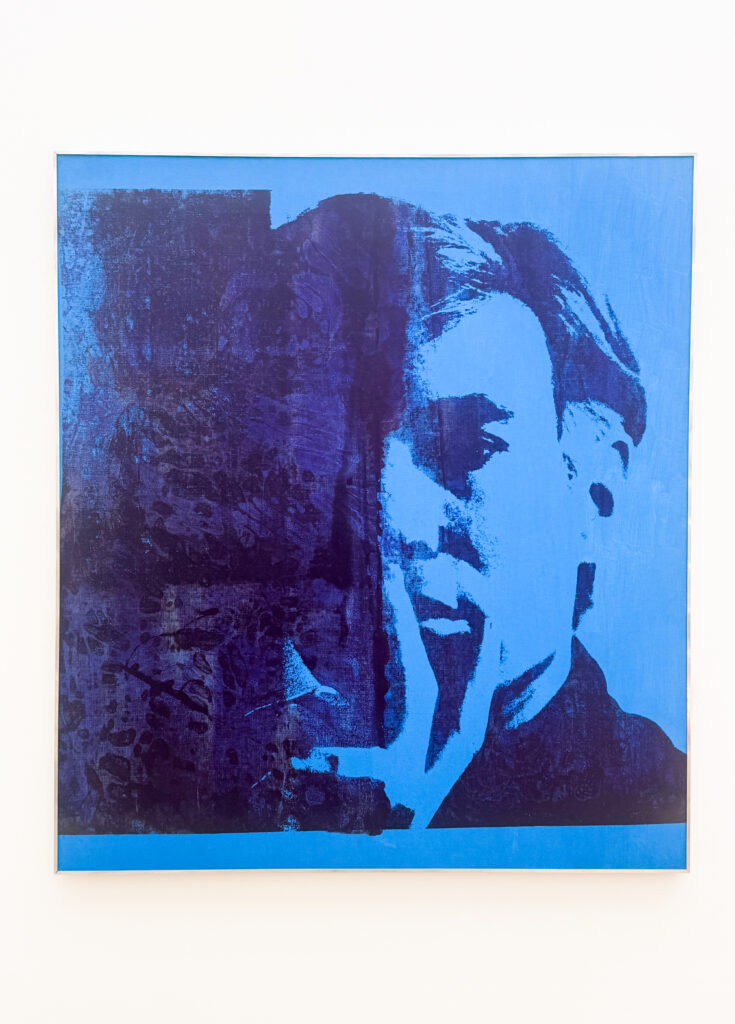
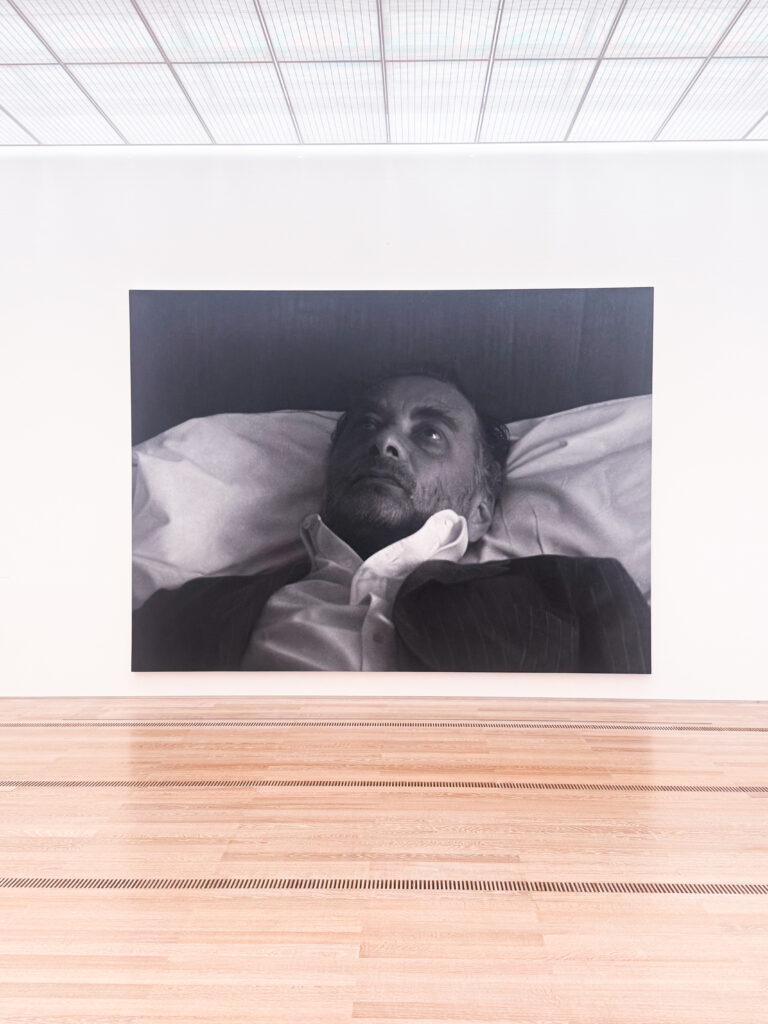
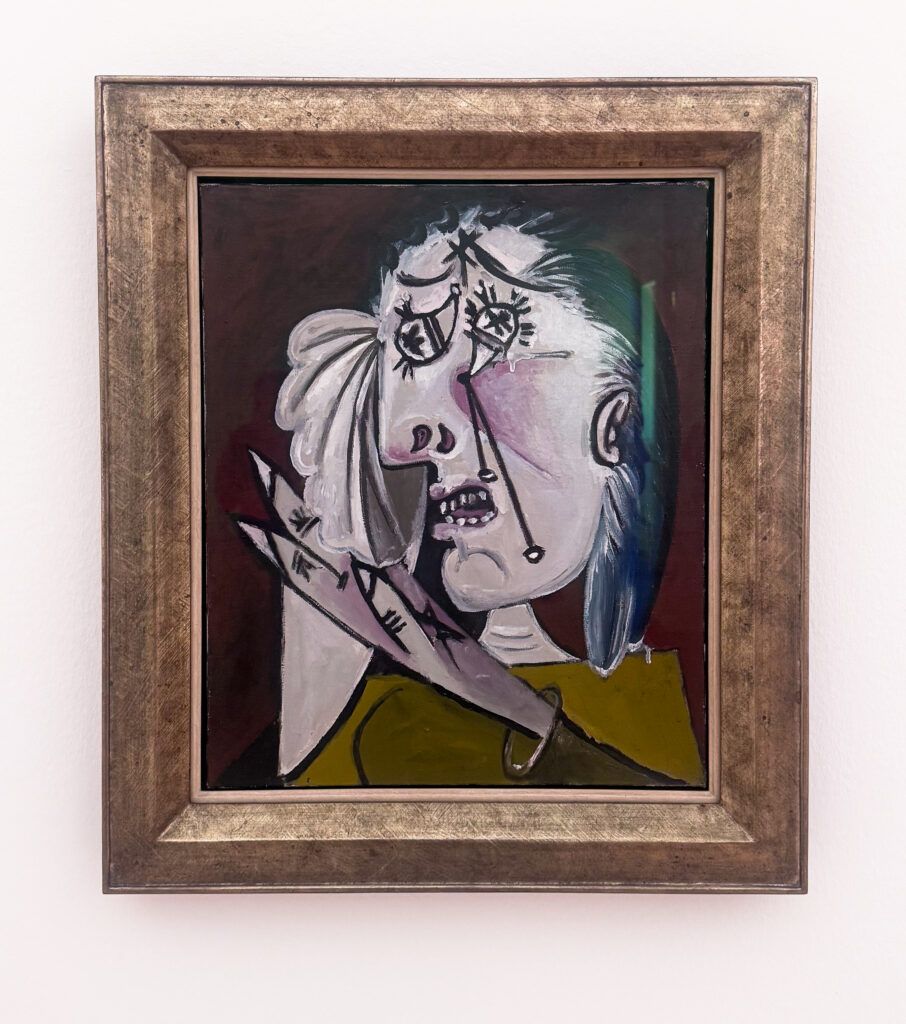
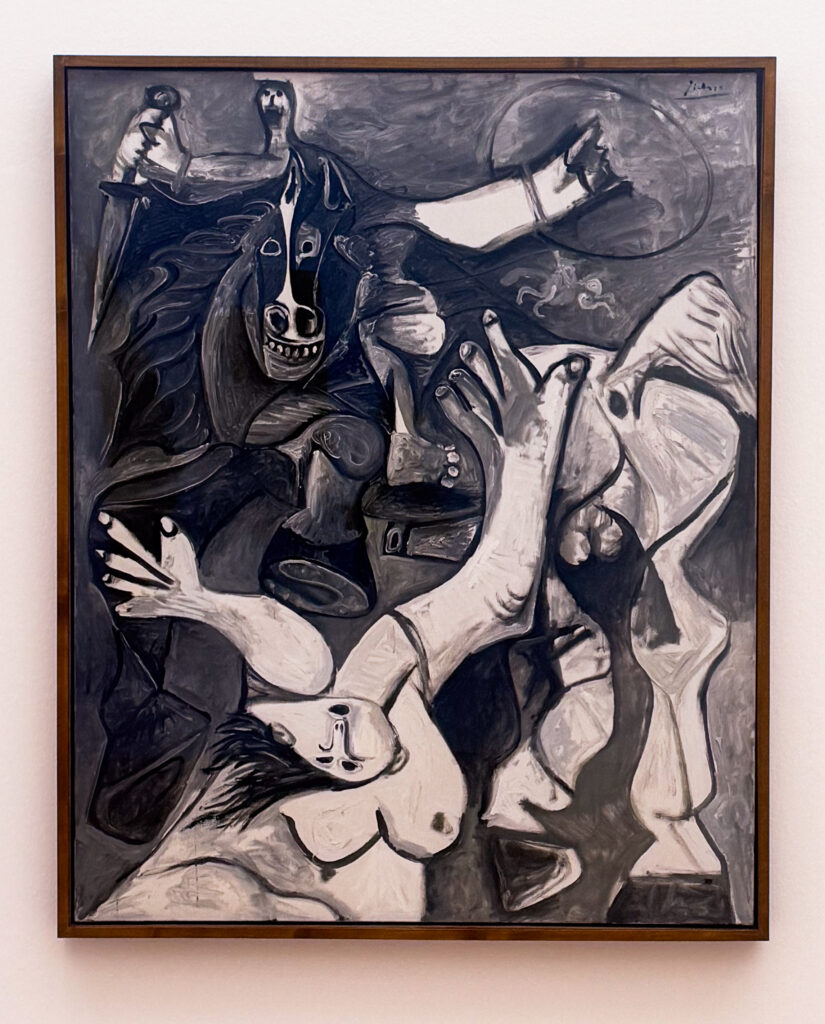
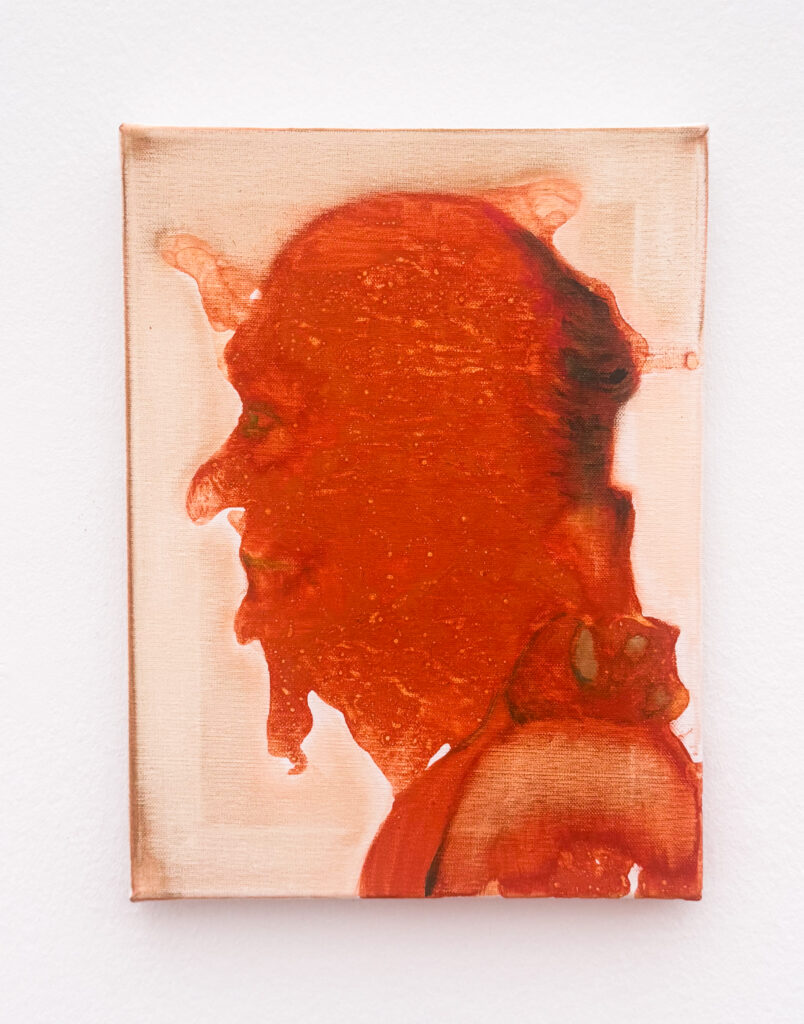
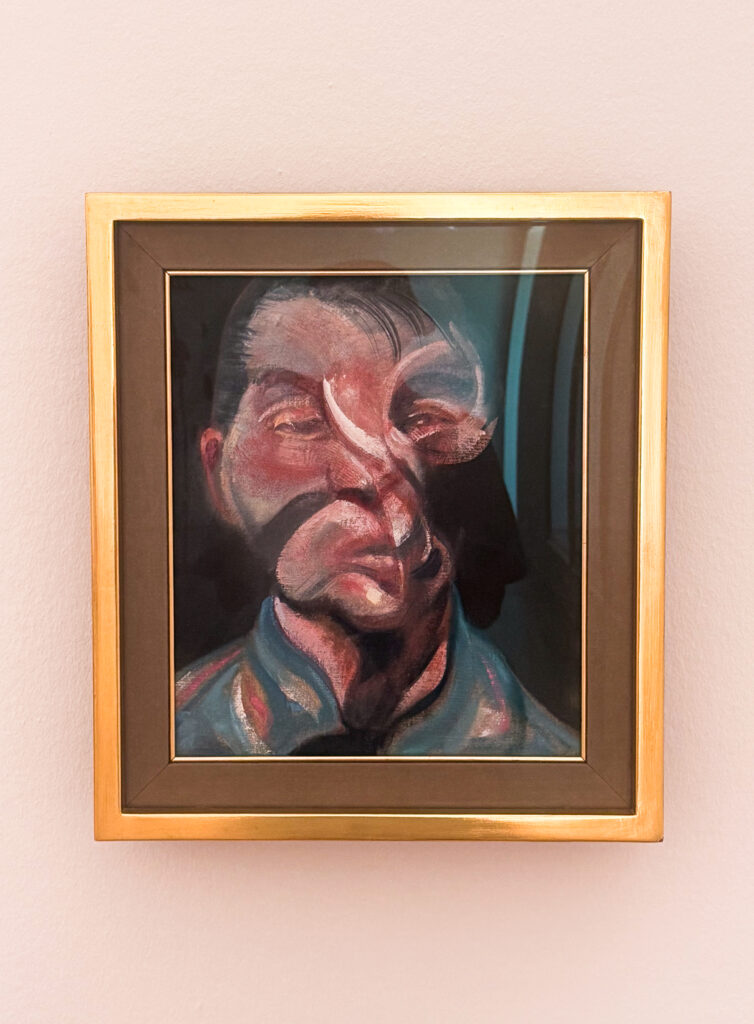
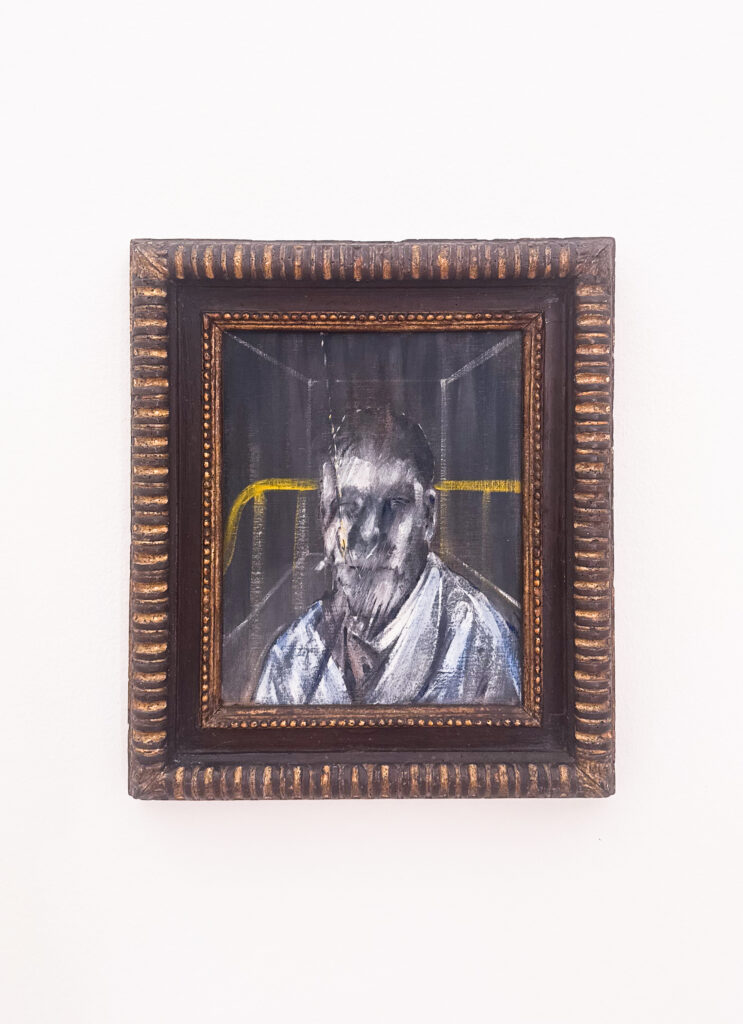
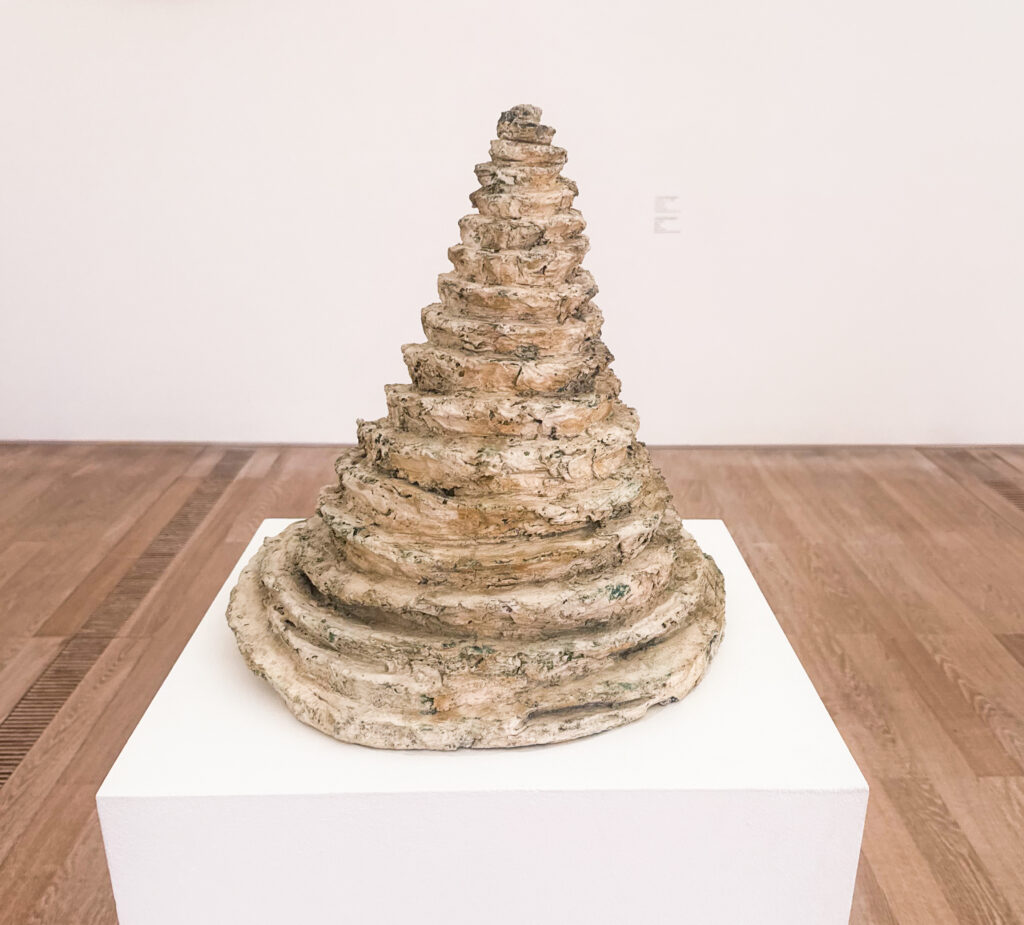
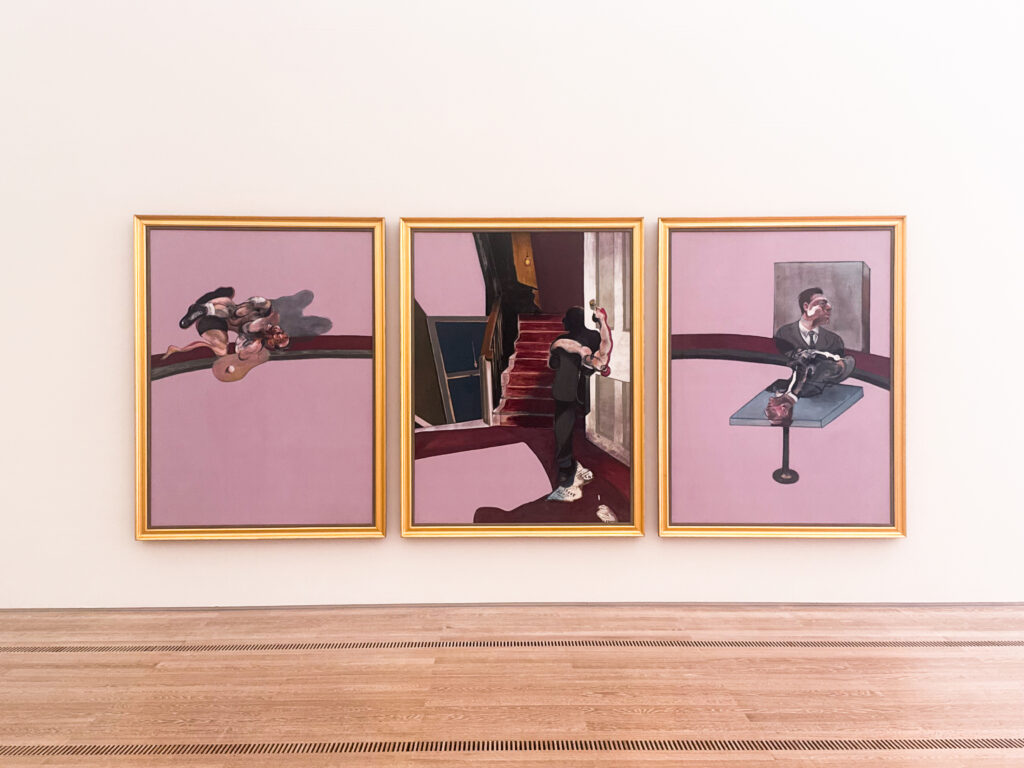
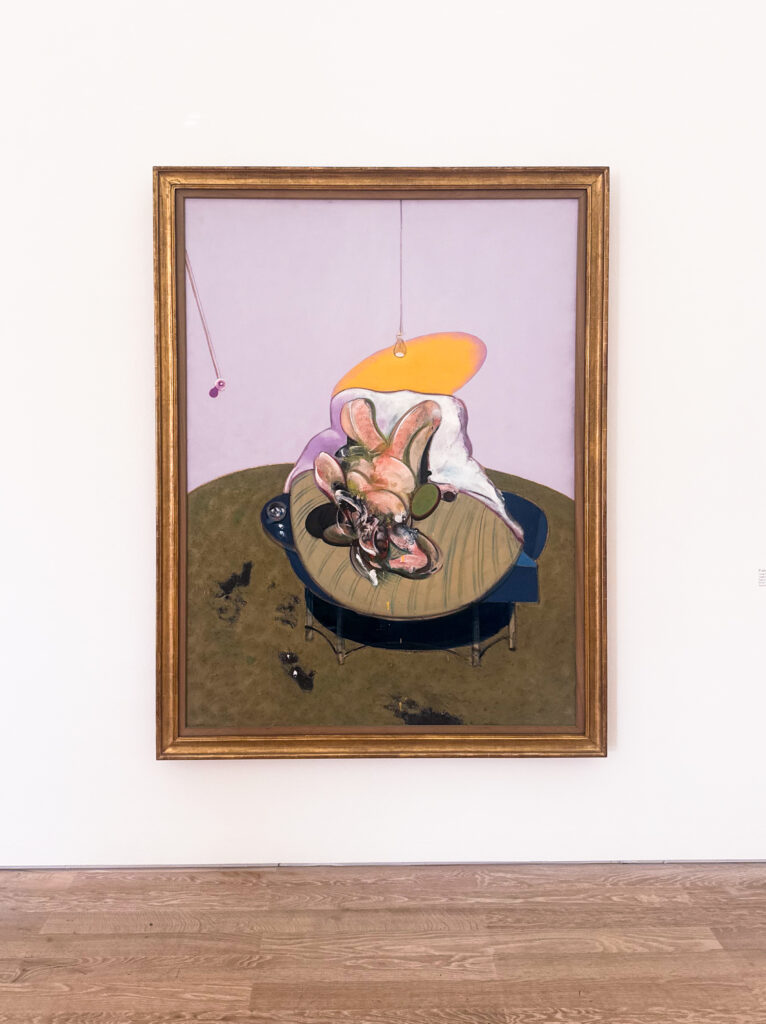
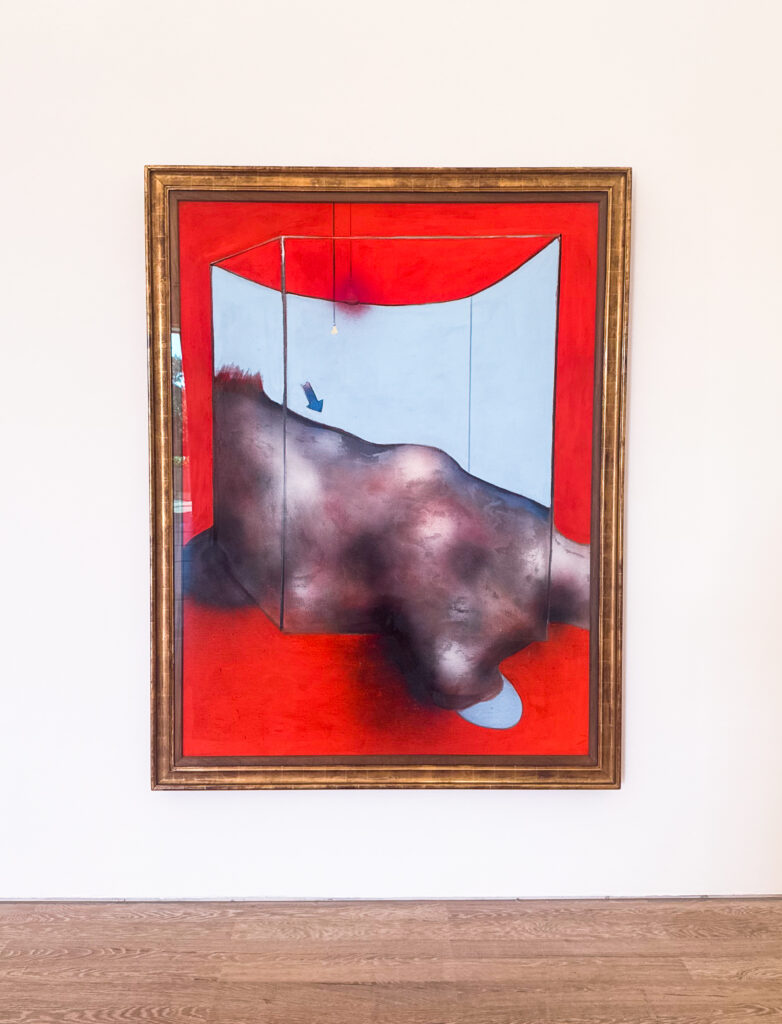
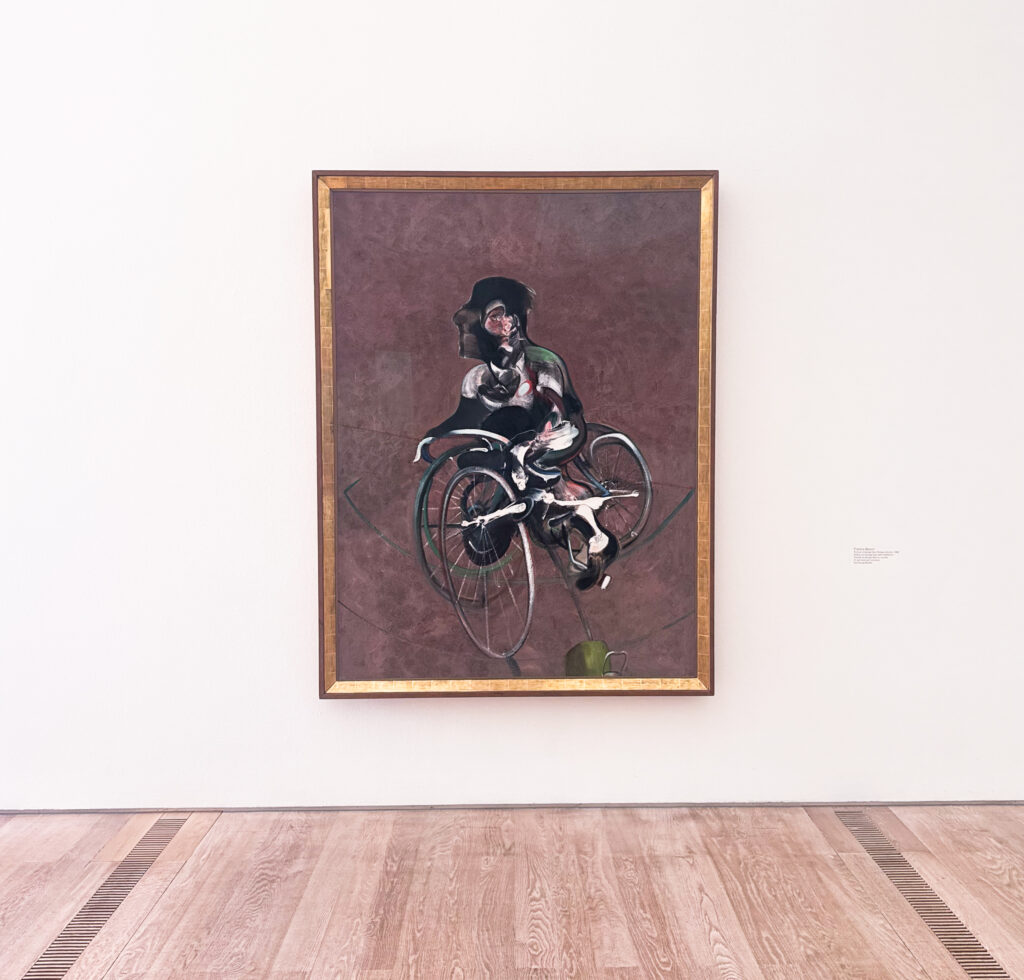
All images copyright 2026 Matthew Moloney / Timestamp. All rights reserved.
Experiencing Pierre Huyghe
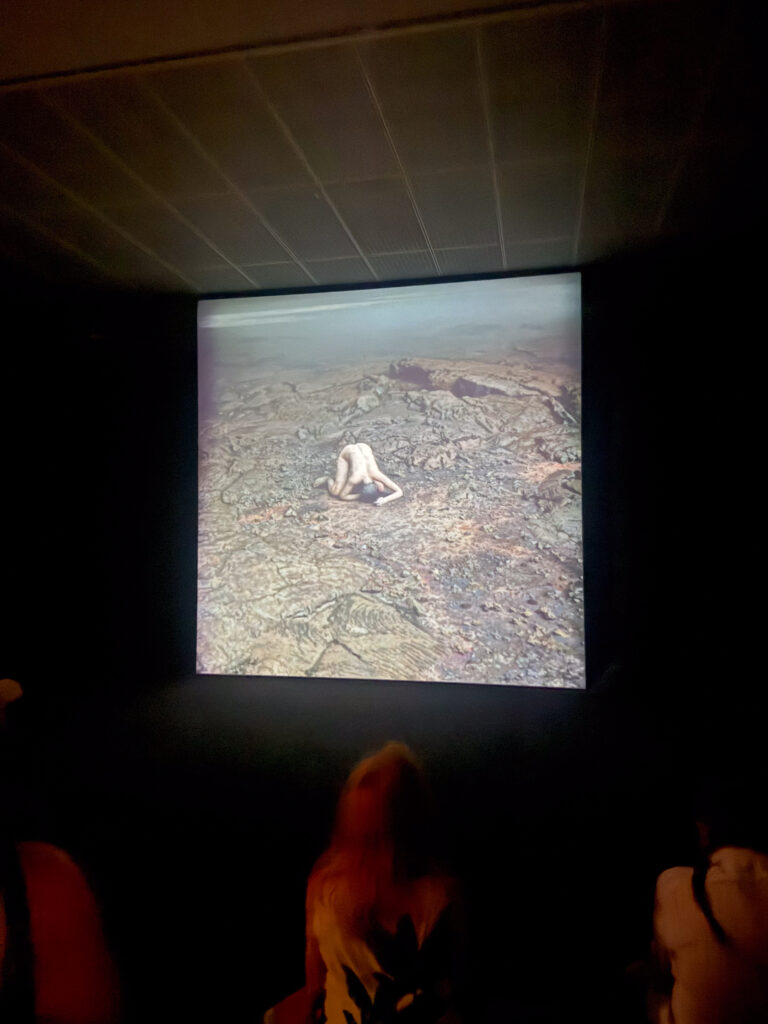
During our visit, the museum was presenting a major exhibition by Pierre Huyghe, created specifically for Fondation Beyeler. The exhibition brought together new commissions alongside significant works from recent years, continuing Huyghe’s exploration of the boundaries between biology, technology, fiction, and reality.
Trying to describe the exhibition almost feels impossible.
It wasn’t simply something we looked at. It’s not necessarily something that you can photograph, or that you can buy.
It was something we experienced.
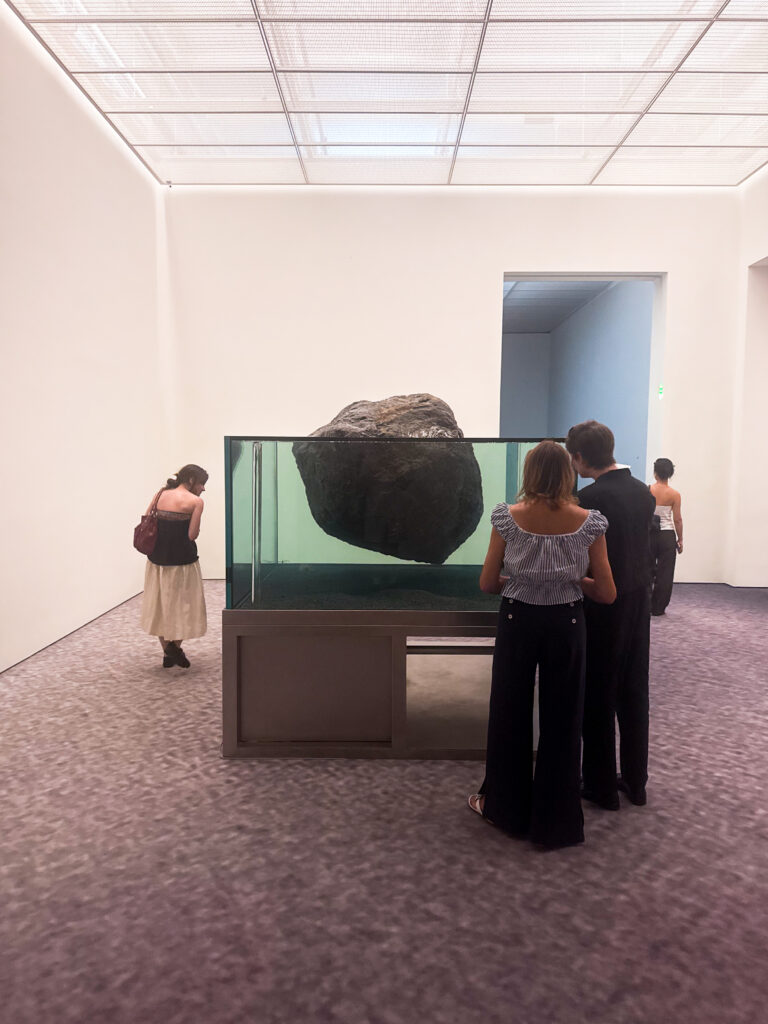
Walking through the galleries felt like entering another ecosystem, one where technology, living organisms, sound, light, and time all interacted in ways that constantly shifted your understanding of what was happening around you.
Rather than presenting finished objects, the exhibition unfolded as a living environment. Nothing felt entirely fixed. Nothing offered easy answers.
Instead, it asked questions.
Who are we?
How do we define consciousness?
Where does nature end and technology begin?
What does it mean to be human in a rapidly evolving world?
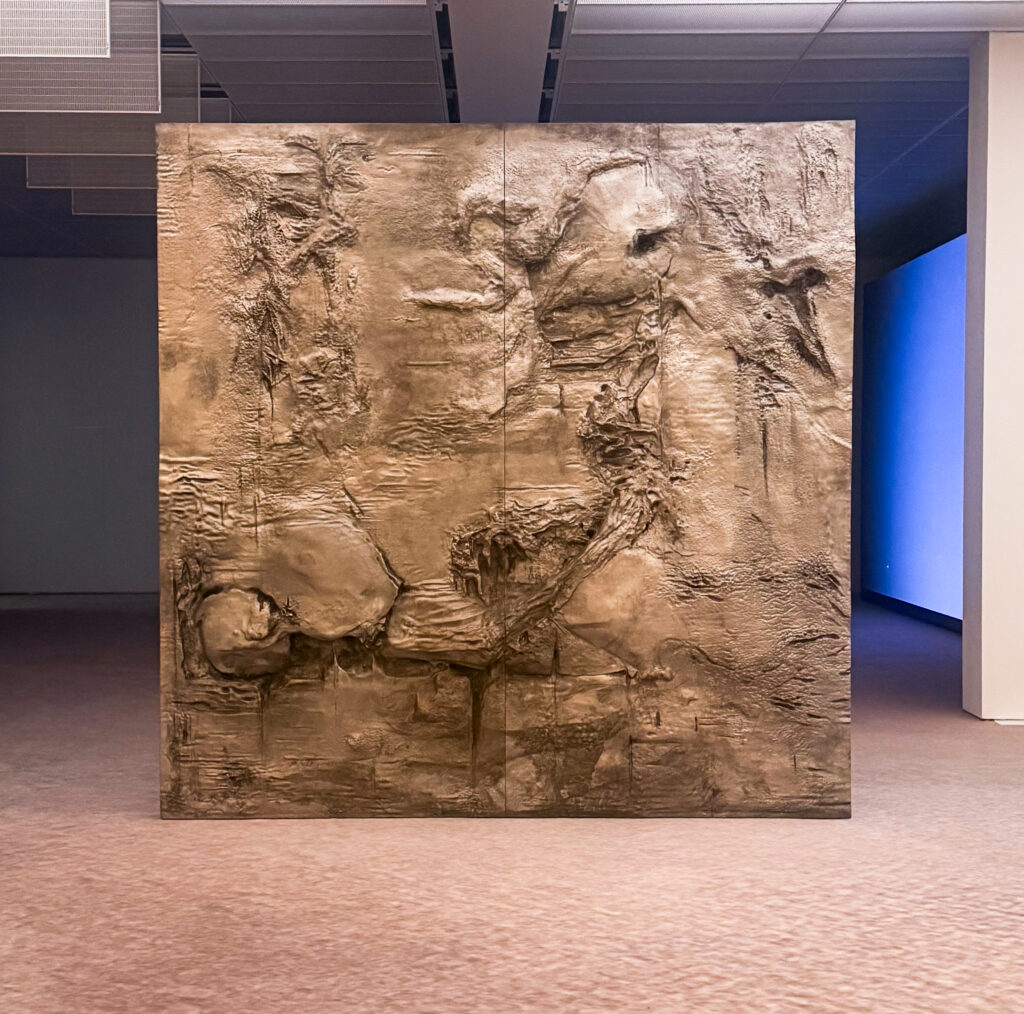
The exhibition lingered long after we left the museum. We found ourselves talking about it for the rest of the day and even on the flight home. It is still something that runs around in my mind, making me think about what ‘art’ really is. Hughye proved that art isn’t always a framed canvas hung on the wall, or an object that is placed into a room, but that it is something deeper than that. It was thought provoking, and life changing; something that lasts.
That is incredibly rare.
The very best exhibitions don’t simply leave you impressed.
They leave you changed.
Why Places Like This Matter
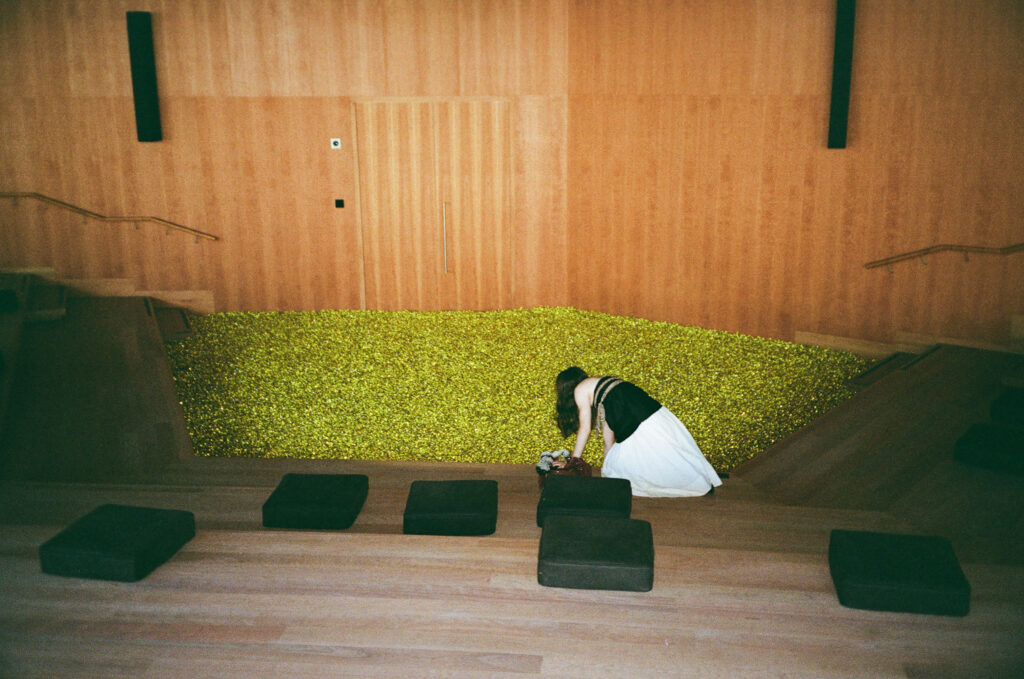
One of the things we’ve realized while traveling across Europe to interview artists is that great museums do more than preserve culture – they shape it.
They become gathering places where generations of artists come to learn, question, and find inspiration.
You can feel that energy inside Fondation Beyeler.
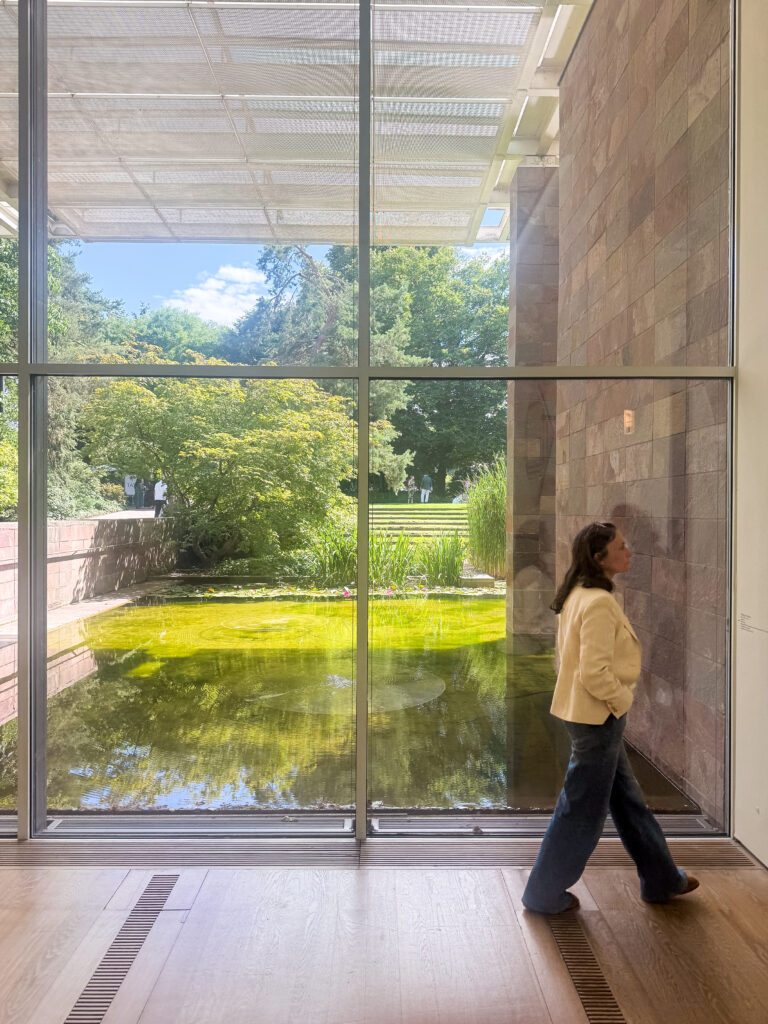
You see students contemplating. Artists sitting quietly in front of paintings. Families introducing children to artists they’ve only read about.Collectors moving slowly through the galleries. Everyone sharing the same space, connected through curiosity.
As artists ourselves, those are the places we remember most.
Architecture, Nature, and the Space Between
Before you even encounter the artwork, Fondation Beyeler begins its conversation with you through its architecture and surroundings.
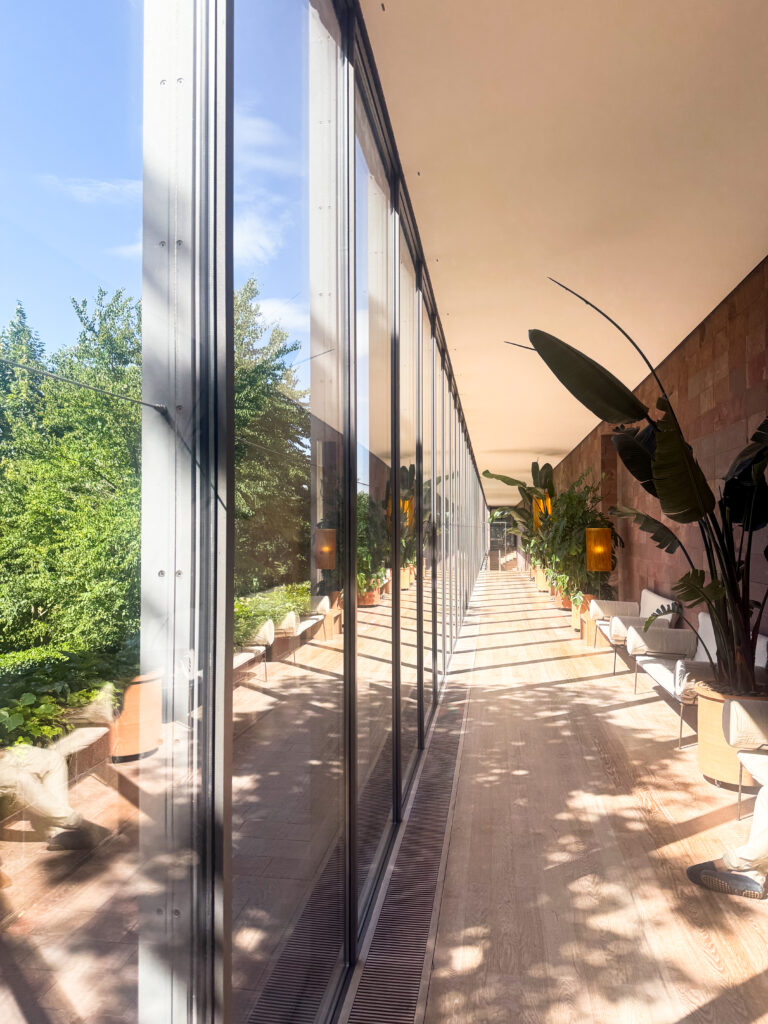
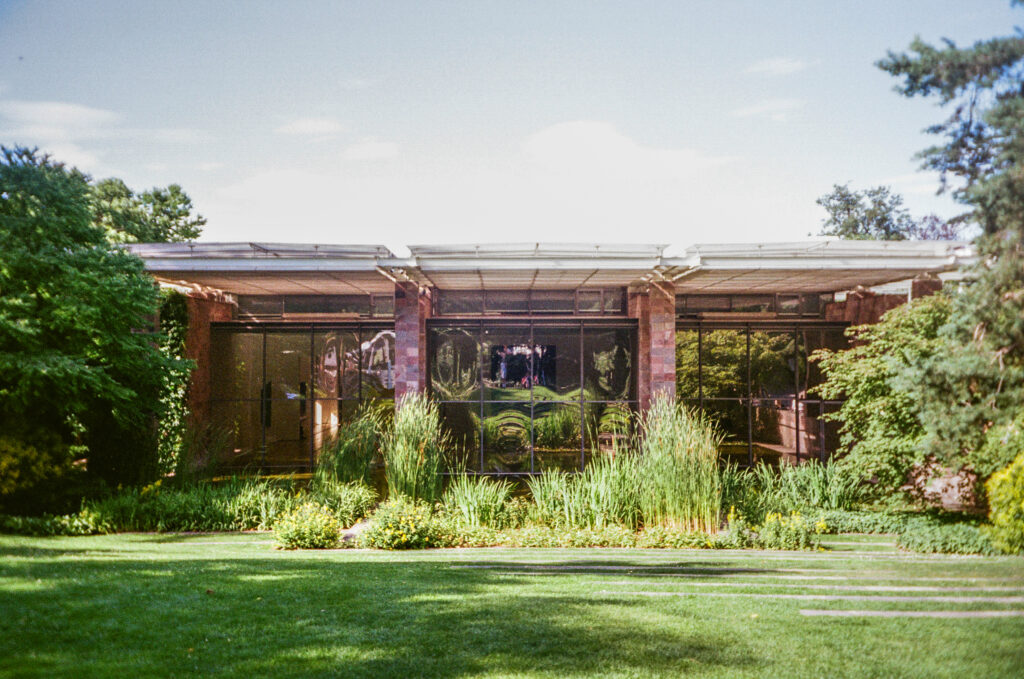
Designed by the renowned architect Renzo Piano, the museum feels like a seamless extension of the landscape rather than a building placed on top of it. Large glass walls bring natural light into the galleries and create a constant relationship between the artwork inside and the gardens, trees, and changing seasons outside.
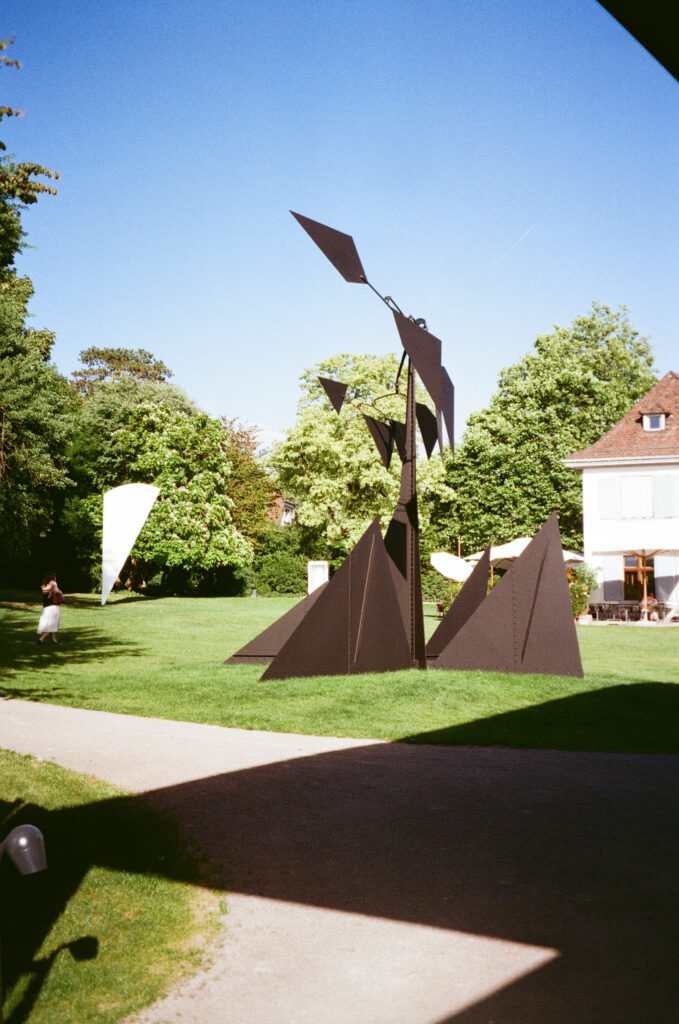
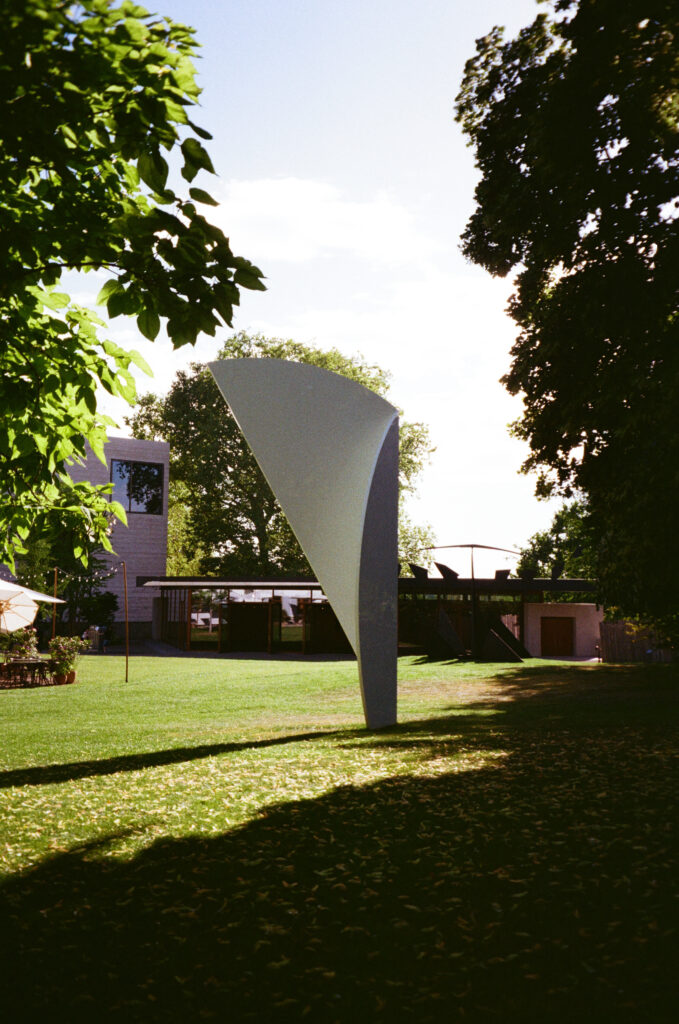
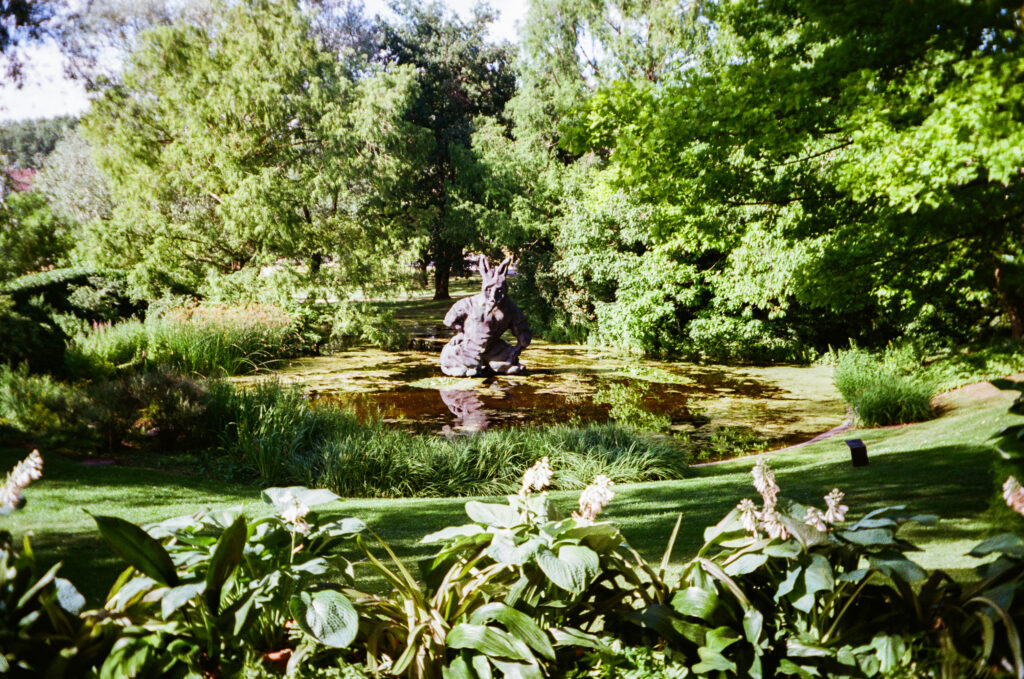
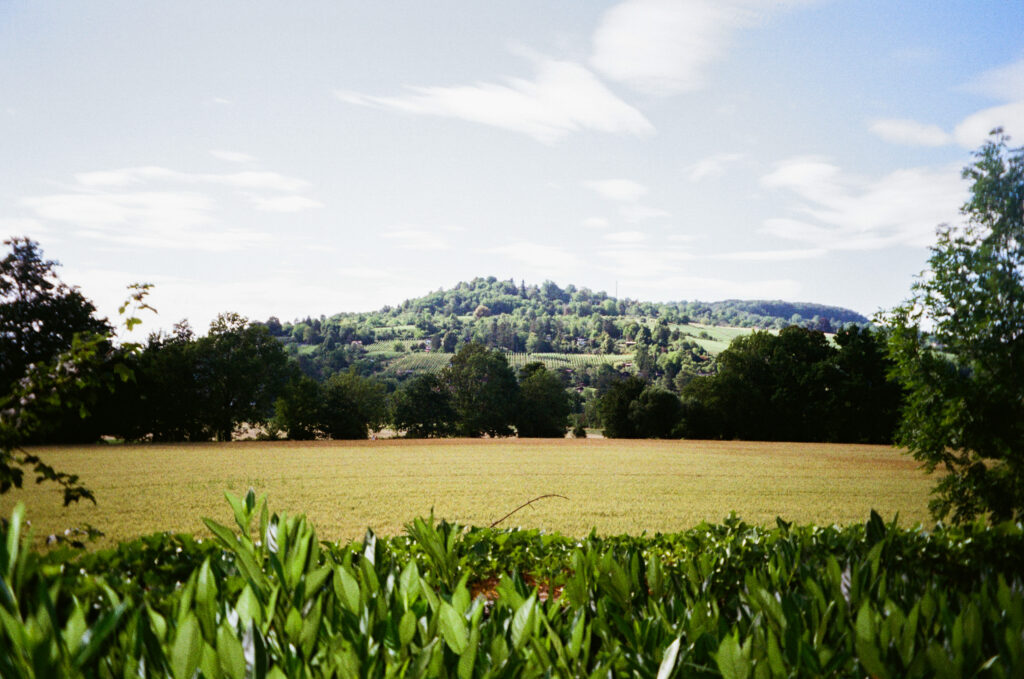
Walking around the grounds feels just as important as exploring the exhibitions themselves. The gardens surrounding the museum create moments of pause between galleries, allowing visitors to reflect, breathe, and experience the connection between art and nature.
There is a sense of balance throughout the entire institution. The architecture never competes with the artwork. Instead, it creates a quiet framework that allows each piece to exist fully.
Standing outside among the greenery, looking back at the museum’s calm, modern structure, you begin to understand the philosophy behind Fondation Beyeler. Art is not isolated here. It exists in conversation with nature, light, space, and the people experiencing it.
The result is an environment that feels intentional from every angle, where even the walk between exhibitions becomes part of the artistic experience.
Our Recommendation
If you’re anywhere near Basel, make the trip. Give yourself several hours. Don’t squeeze in a trip to Fondation Beyeler. Set aside a whole day for your visit. Even after you leave the institution, you will be stuck thinking about what you felt, and anything you do afterwards will be clouded by your experience at Beyeler. I remember walking out of the Pierre Hughye exhibit pondering why we are here. Not ‘here’ at the museum, but ‘here’ as in human-kind sharing the physical earth, and what it means to be human. It gave me something that I could have never asked for. When I left, I thought about how I wished I had spent more time there. Not because I was craving more, but because nothing seemed like it would be able to make me feel that much anywhere else. It was like a dopamine rush, an addiction to feeling something. But at the same time – it was a prompt to dive deeper into what it means to be human.
Don’t rush. Sit with the paintings. Walk through the gardens. Return to a room that moved you. Allow yourself to experience the museum rather than simply seeing it.
Some museums teach you about art. Others remind you why art exists in the first place. For us, Fondation Beyeler was one of those places. It wasn’t just one of the highlights of our time in Switzerland. It was one of the most meaningful museum experiences we’ve had anywhere in the world.
Have you visited Fondation Beyeler? We’d love to hear which artwork or exhibition stayed with you long after you left. Share your experience in the comments below.
About the Author
Matthew Moloney is an American artist and founder of Timestamp. Based in Brooklyn, New York, his multidisciplinary practice spans painting, sculpture, photography, and film. Through Timestamp, Moloney documents the stories and studio practices of contemporary artists around the world.
Gonçalo Preto
For Portuguese painter Gonçalo Preto, a painting is never simply a representation of something seen….
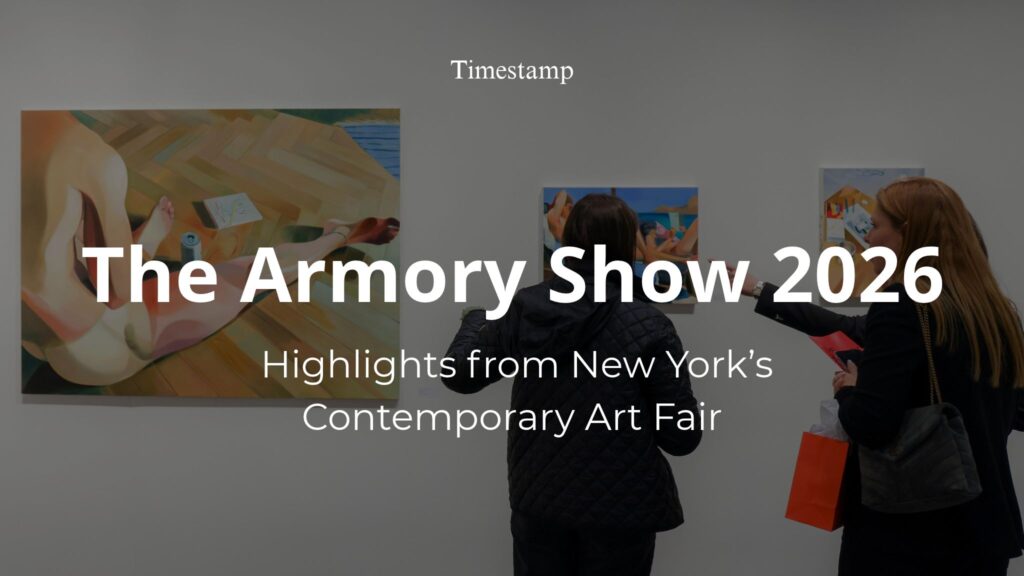
The Armory Show 2026: Highlights from New York’s Contemporary Art Fair
From experimental painting to immersive installations, a look at the artists, booths, and ideas that…
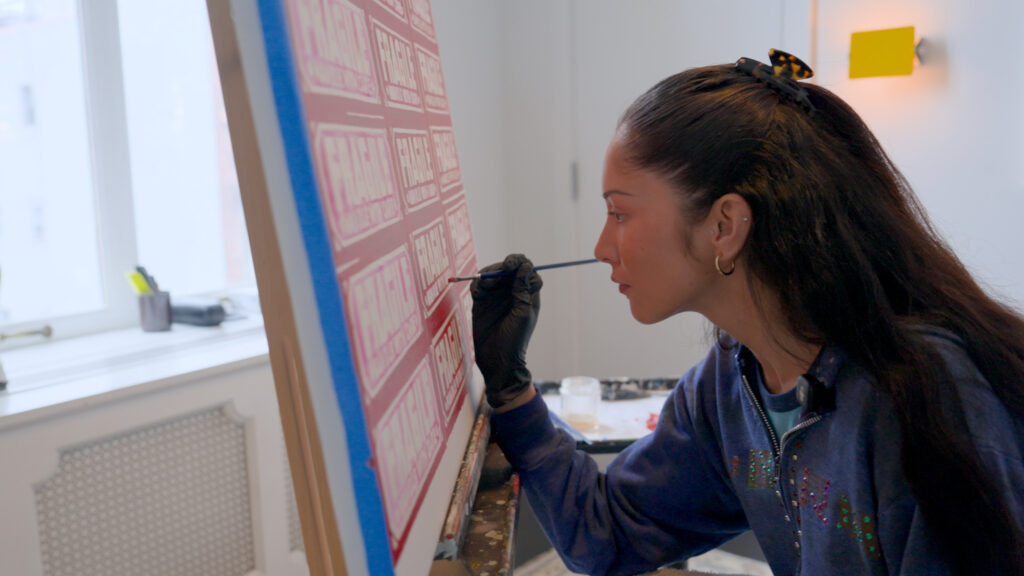
Mia Goldstien
Born in Los Angeles and now working in New York City, Mia Goldstein has built…
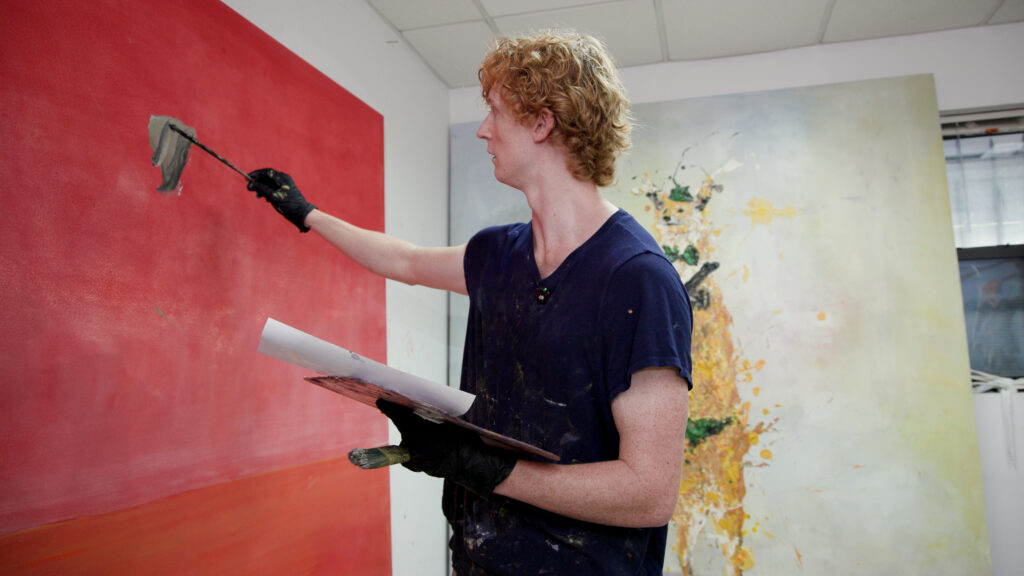
Michael Alexander Campbell
Michael Campbell once tried to give up making art. The idea, as he explains it,…
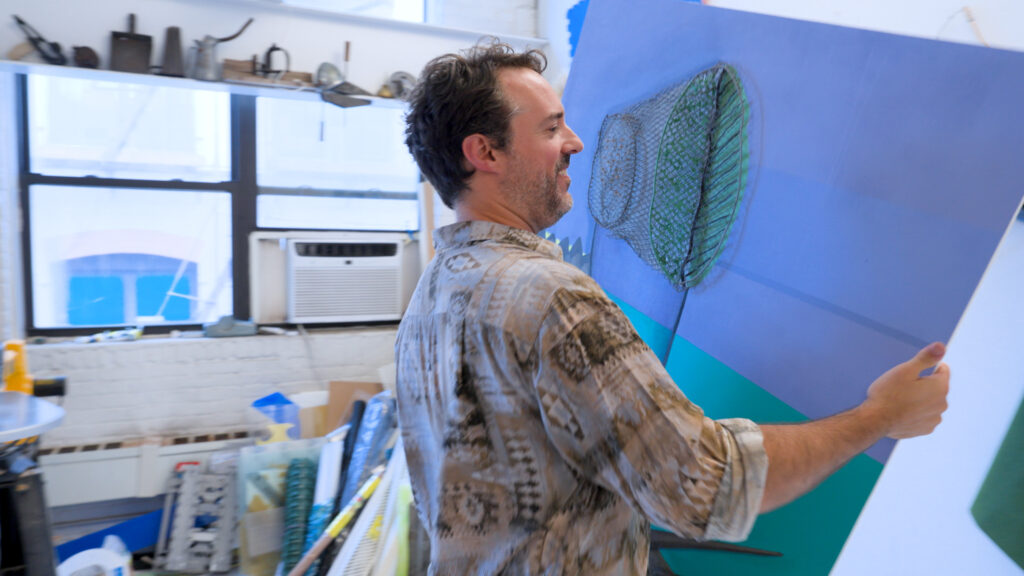
Andrew LaFarge Hamill
Andrew LaFarge Hamill describes himself as an artist and garden designer, but he is interested…
Felix Benton
Felix Benton grew up surrounded by people who made things. His grandmother was a glass…