
There are museums you visit to check a box. And there are museums that quietly rearrange how you look at everything for the rest of the week, this is Dia Beacon.
An hour north of Manhattan, on the banks of the Hudson River, sits a museum that most New Yorkers have heard of but far fewer have actually made the trip to see. Dia Beacon may be the single best argument in the tri-state area for putting your phone away and letting a room full of art make you rethink art entirely, reconsidering what a museum could be.
If you live in or near New York City, this is the trip we keep coming back to.
A Building That Was Never Meant to Be a Museum
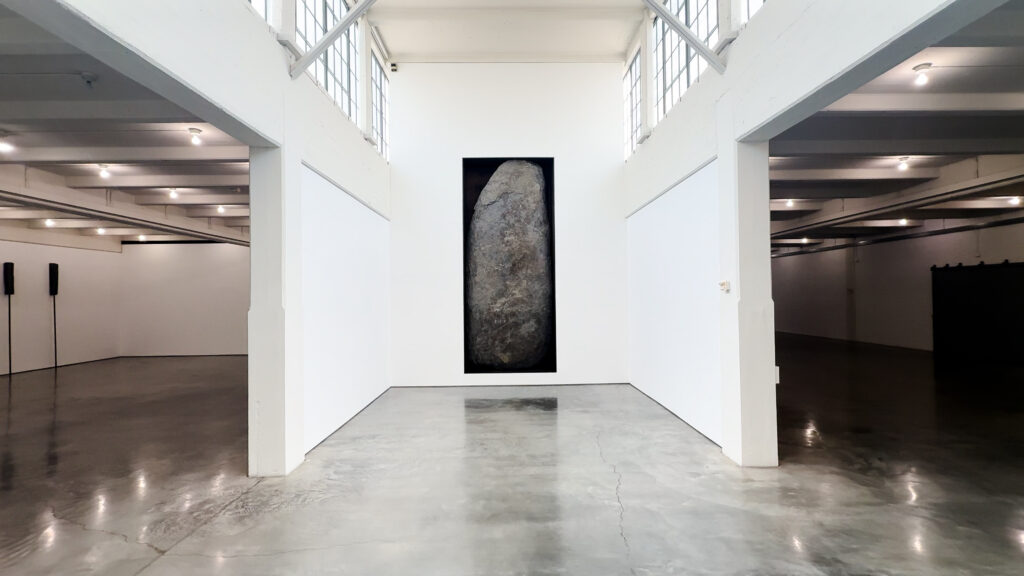
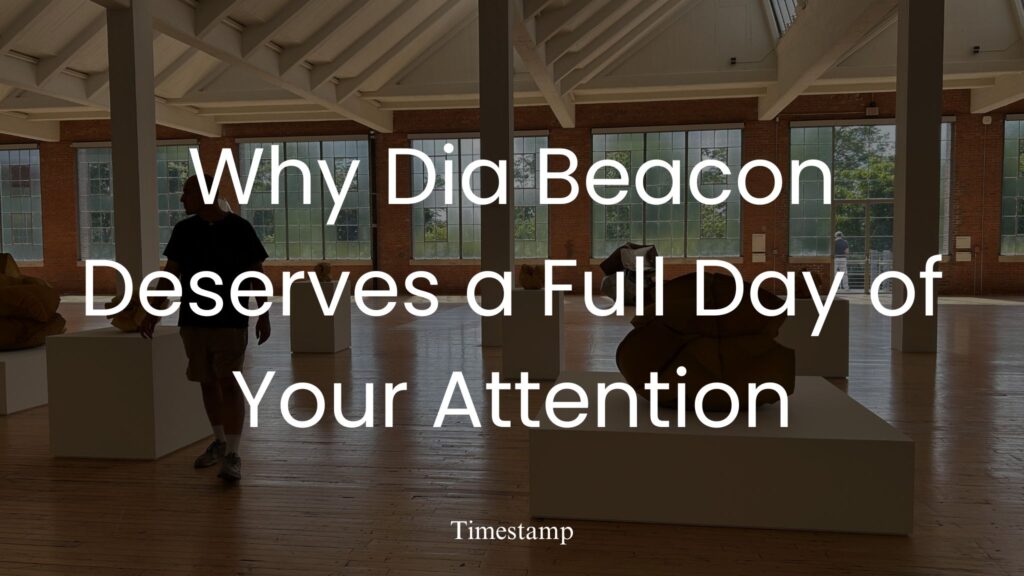
Located in Beacon, New York, on the banks of the Hudson River, the museum occupies a nearly 300,000-square-foot former Nabisco box-printing factory built in 1929, you can feel that history the moment you walk in. From the outside, the building still carries the weight of its industrial history. Inside, however, the factory has been transformed into something entirely different: a place where enormous works of contemporary art can exist at the scale they were meant to be experienced.
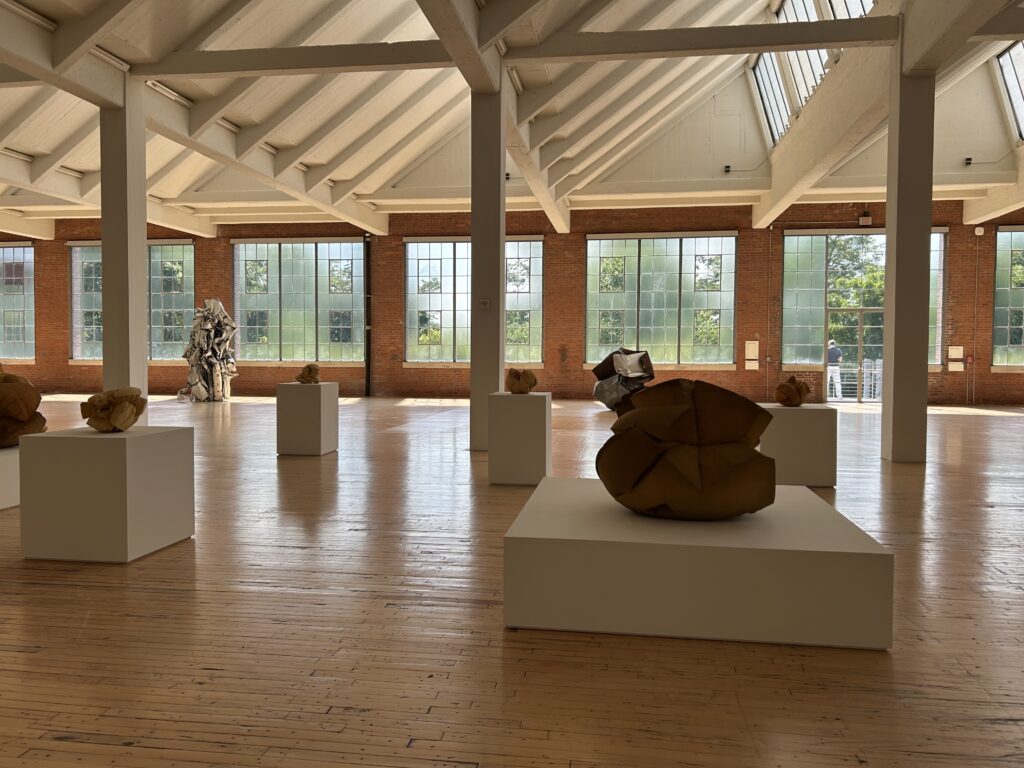
Rather than feeling like a traditional museum filled with objects that have been collected and placed on walls, Dia Beacon feels more like an environment. The building itself becomes part of the experience, and the artwork seems to exist in conversation with everything around it: the architecture, the changing light, the enormous scale of the galleries, and the landscape outside.
This is especially fitting for an institution whose history has always been rooted in artists who challenged conventional ideas about what art could be and where it could exist.
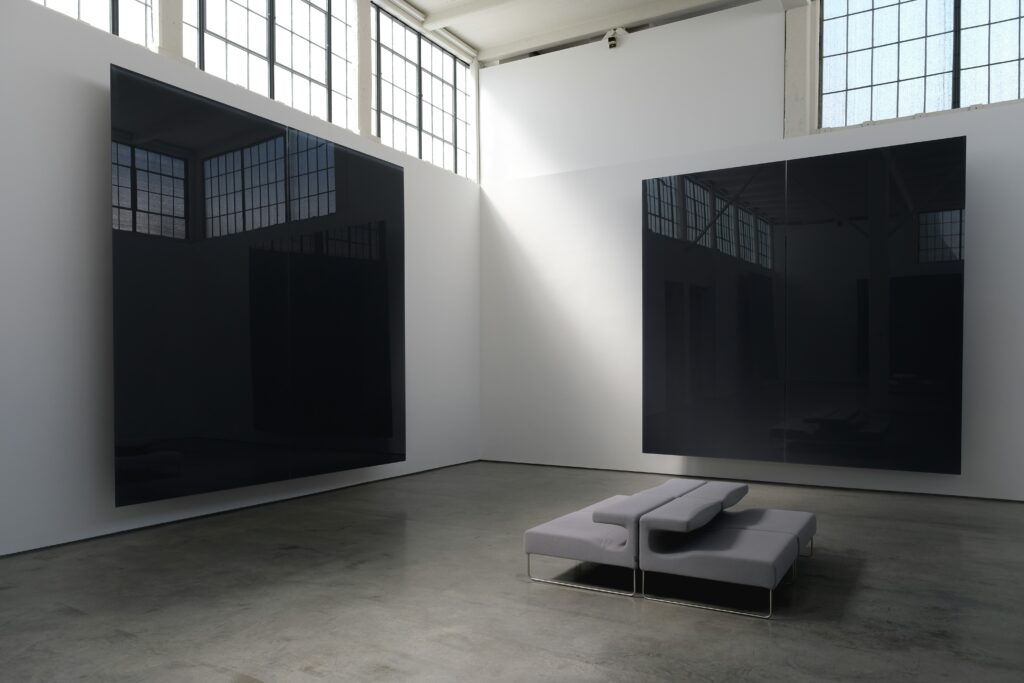
The ceilings run sixteen feet high, and sawtooth skylights wash the galleries in shifting natural light all day long. Robert Irwin himself worked on the renovation, which explains why the light in this building doesn’t feel incidental. It feels considered, almost like another material in the collection.
Walk in on an overcast morning and the whole place reads cool and grey. Come back at 3pm on a clear day and the same rooms are golden. Shadows shift across the floor. Colors become more intense or more subdued. The relationship between an artwork and its surroundings is never entirely fixed. You become aware of time passing and find yourself returning to the same rooms to see the art in the new light. Suddenly, simply standing in a gallery begins to feel like part of the work.
The Art Doesn’t Compete for Your Attention. It Demands It.
To understand Dia Beacon, it helps to understand Dia itself. Dia Art Foundation was founded in New York in 1974 by Philippa de Menil, Heiner Friedrich, and Helen Winkler with a specific ambition: to help artists realize projects that might otherwise be impossible because of their scale or scope. The name Dia comes from the Greek word meaning “through,” reflecting the organization’s interest in supporting artists’ visions over long periods of time.
That history still shapes the experience at Dia Beacon.
The institution is particularly associated with artists whose work emerged from the Minimalist, Postminimalist, and Conceptual movements of the 1960s and 1970s. But rather than presenting these artists as a historical chapter that has already ended, Dia has continued to explore their ideas through long-term installations, new exhibitions, commissions, and contemporary projects.
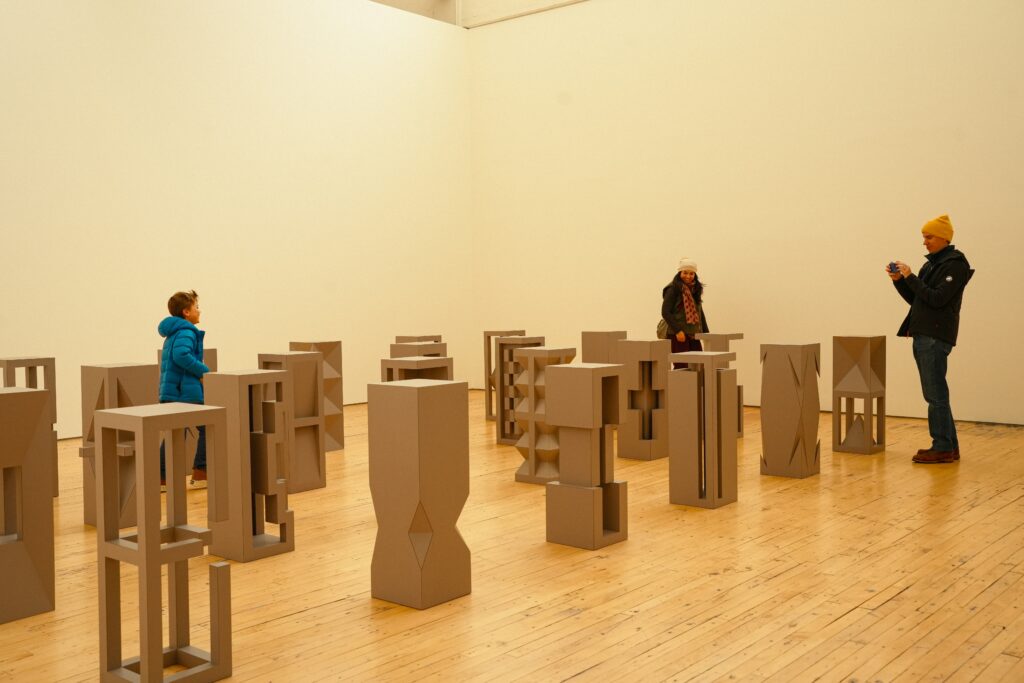
You can encounter an artist whose work was made decades ago and still feel as though it is asking a question that has not been answered. This allows for new questions…
What happens when an artwork takes up an entire room?
What happens when the viewer becomes physically aware of their own body?
Can a space itself become an artwork?
Can an artwork exist without a traditional beginning or end?
The museum doesn’t necessarily answer them. It gives you the space to sit with them.
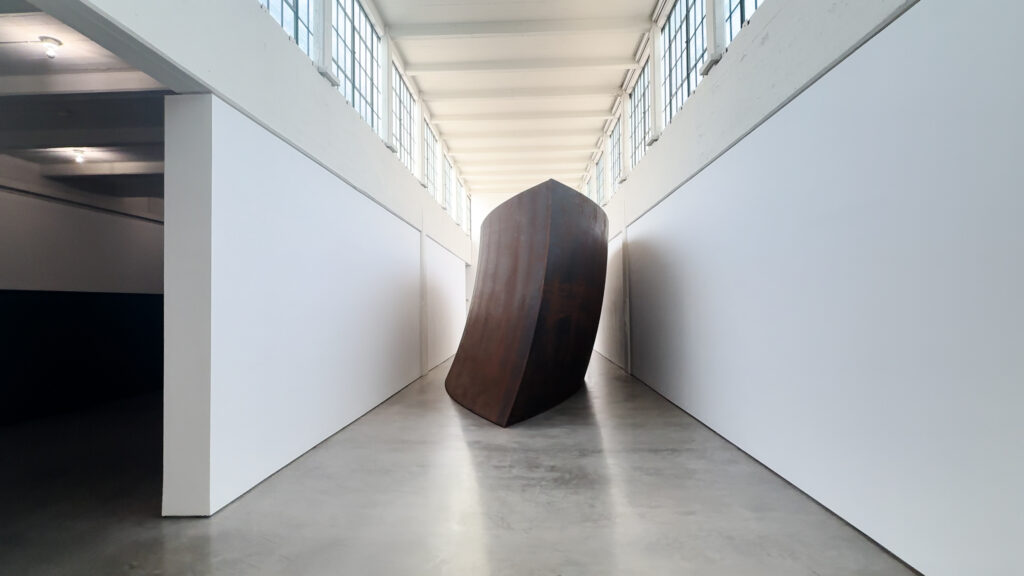
In keeping with Dia’s history of single-artist, site-specific presentations, each gallery here was designed around one artist’s work, which is a very different experience from the salon-style hang you get at most encyclopedic museums. There’s no ricocheting between centuries and mediums every ten feet. You enter a Richard Serra room, and for as long as you’re in it, that’s the only conversation happening.
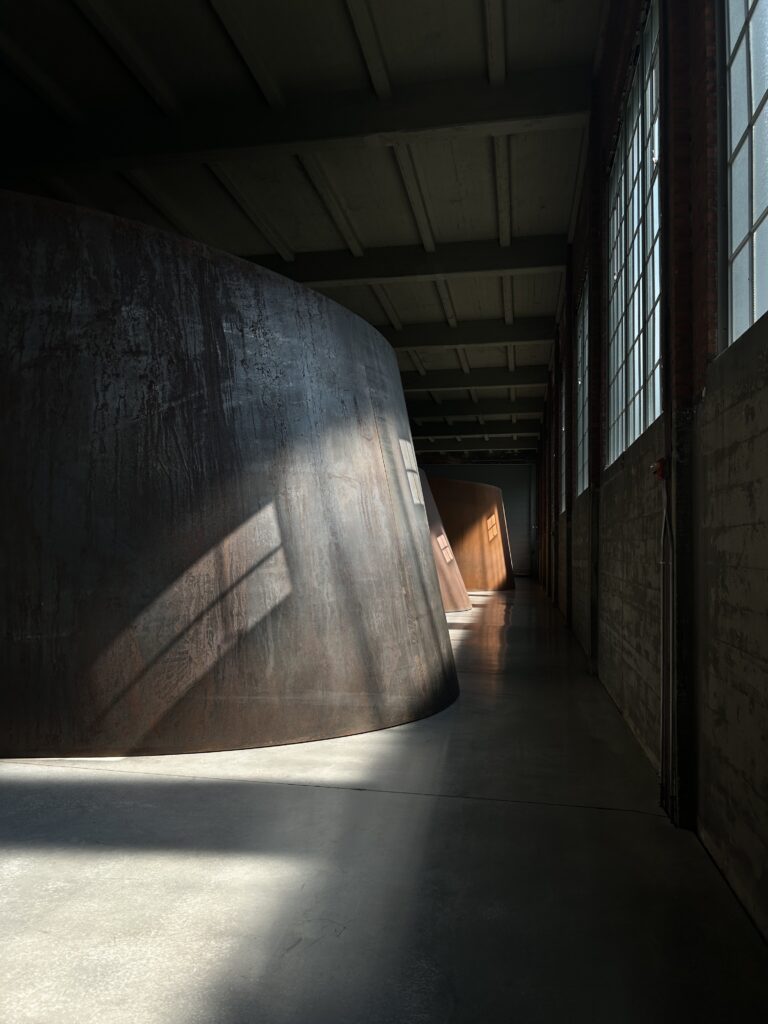
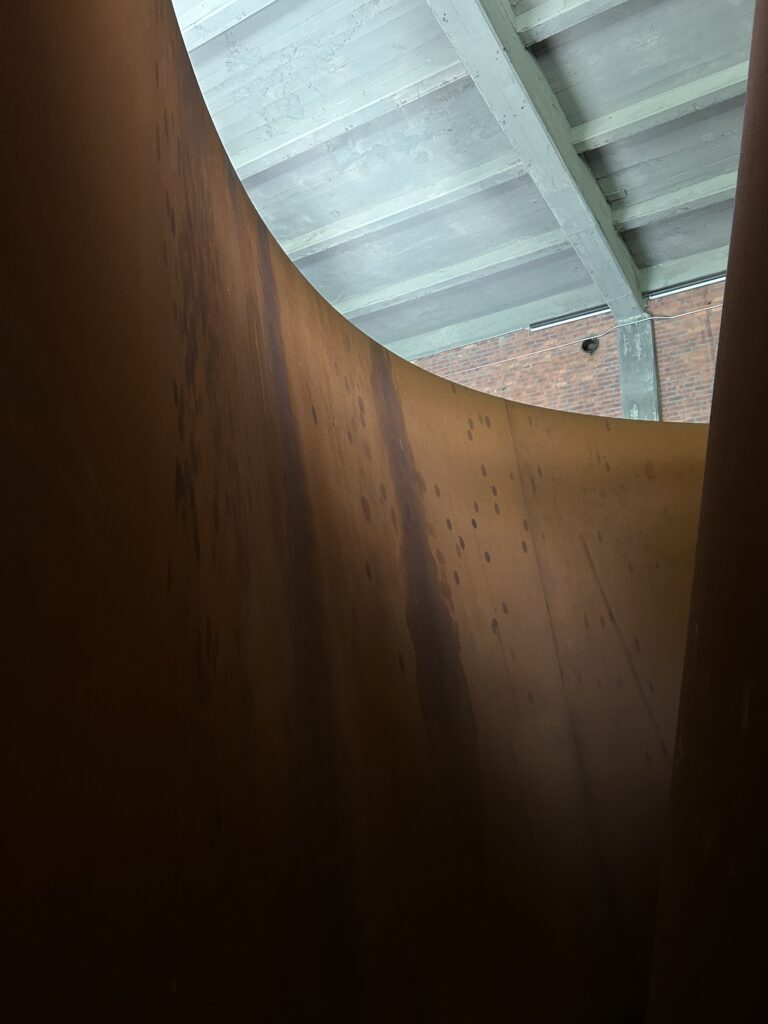
That matters more than it sounds like it should. Serra’s torqued steel spirals are not photographs of sculptures, they’re structures you walk into, and your sense of balance genuinely shifts as you move through the curve. No image of the work prepares you for what your inner ear does in that room.
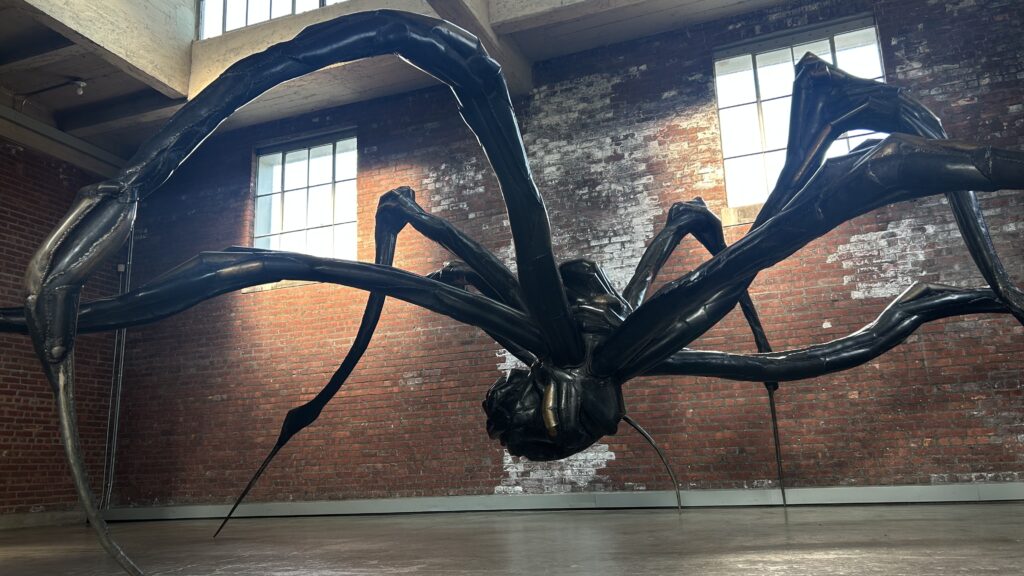
The museum’s collection and long-term presentations have included artists such as Donald Judd, Agnes Martin, Dan Flavin, Richard Serra, Michael Heizer, Louise Bourgeois, Imi Knoebel and Robert Ryman, among many others. These artists represent vastly different practices, but they share an interest in questioning how we perceive objects, spaces, materials, and time.
Why It’s More Than The Scale
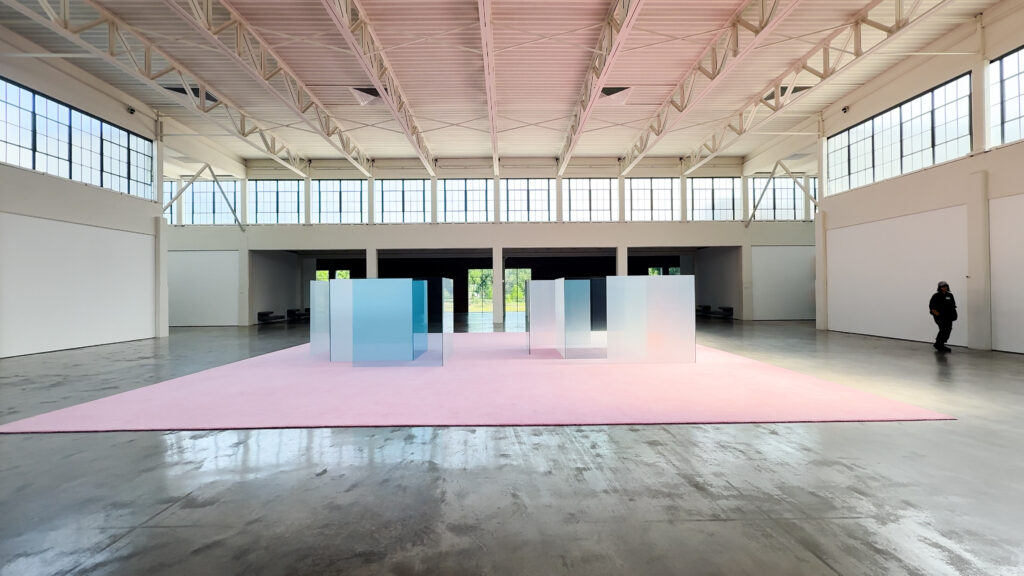
Dia Beacon has more exhibition space than the Guggenheim, Whitney, and MoMA combined, and it’s tempting to read that as a museum showing off its square footage. It isn’t. The size exists because much of this collection physically cannot fit anywhere smaller.
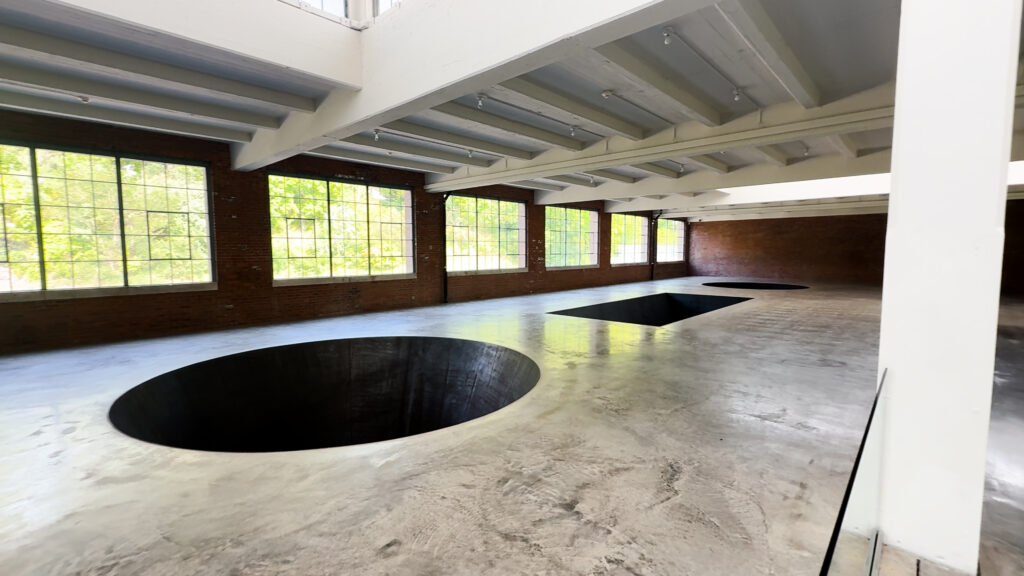
Minimalist and land art from the 1960s and 70s was often made in open rebellion against the gallery box, artists like Walter De Maria and Michael Heizer were working at a scale that assumed the traditional museum wall was too small a unit to think in. Dia Beacon is one of the only institutions that gives that work the room it was actually made for. Seeing it anywhere else is seeing a compromise.
That’s the real case for the trip: this isn’t art you can get a fuller version of somewhere more convenient. The room is part of the work.
Why Places Like This Matter
The longer you spend visiting artists’ studios and talking to people who make things for a living, the more you notice how often a single museum shows up in their origin stories. Ask enough painters and sculptors where they first understood scale, or patience, or what a room can do to a body moving through it, and Dia Beacon comes up constantly.
You can feel why, standing in it. There’s no gift shop energy pulling your attention off the walls. No crowd noise competing with the art for airtime. Just long sightlines, quiet floors, and enough room between visitors that nobody feels watched while they stand in front of something for twenty straight minutes.
Students sketch on the floor. Older visitors sit on the built-in benches and just look. Nobody seems to be moving toward an exit.
Our Recommendation
Don’t try to fit Dia Beacon between two other Hudson Valley stops. Give it the whole day, or at minimum four unhurried hours, this collection punishes rushing more than almost any museum we’ve visited.
It’s an easy trip from the city: Dia Beacon sits right next to the Beacon train station, with Metro-North trains running roughly hourly from Grand Central. Grab coffee on Beacon’s Main Street before you go in, and if you’ve got energy left afterward, Storm King Art Center is close by for anyone who wants a second dose of large-scale work outdoors.
Some museums teach you the history of art. Dia Beacon does something more physical than that, it puts you inside the scale certain artists were actually thinking in, and lets the building’s own history hold all of it up. For anyone in New York who hasn’t made the trip yet, this is the one to stop putting off.
Watch our walk through of the current exhibitions and permanent exhibits at Dia on Youtube:
Have you been to Dia Beacon? Tell us which gallery stopped you in your tracks.
About the author:
Sam Burke is an American artist, filmmaker and writer based in New York City. Working across film, performance, and writing exploring storytelling, identity, and place. As founder of Timestamp, Burke interviews artists, shares insights, and highlights conversations shaping art world today.
Stéphane Koyama-Meyer
French visual artist and designer based near Basel, Stéphane Koyama-Meyer grew up surrounded by art,…
Yuval Bezalel
For Yuval Bezalel, painting begins with the hands, before there is a narrative, before there…
Adèle Aproh
For Adèle Aproh, drawing began long before she knew it could become a career. Her…
Félix Deschamps Mak
Félix Deschamps Mak is a French painter based in Paris, working in large scale figurative…
Katya Quel
Katya Quel is an artist and multidisciplinary creator, born and raised in Moscow, who now…
Why Dia Beacon Deserves a Full Day of Your Attention
There are museums you visit to check a box. And there are museums that quietly…