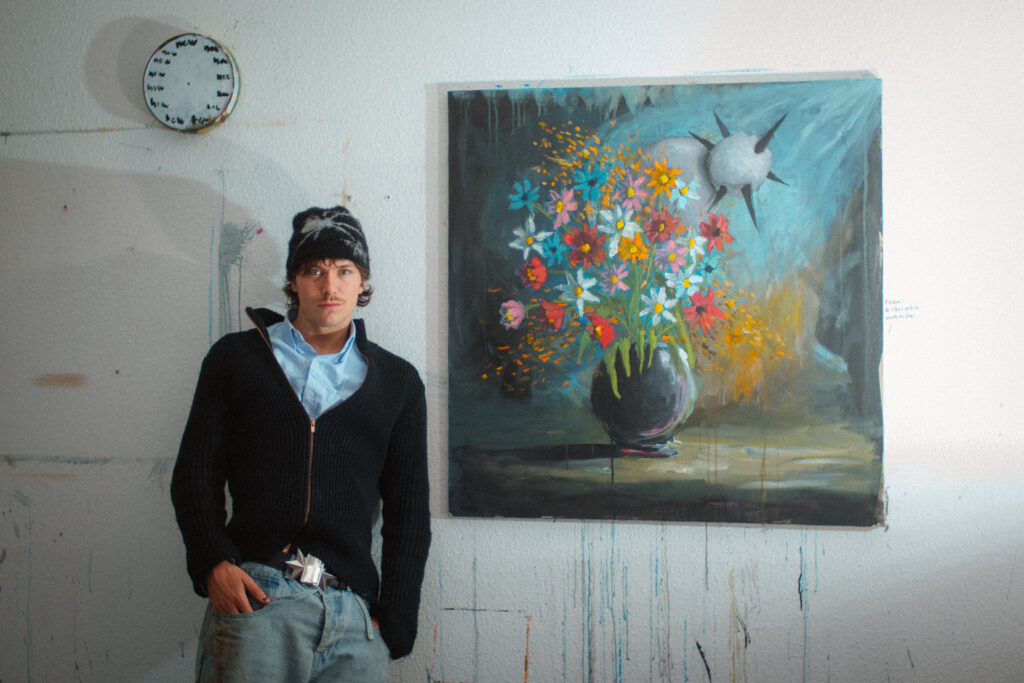
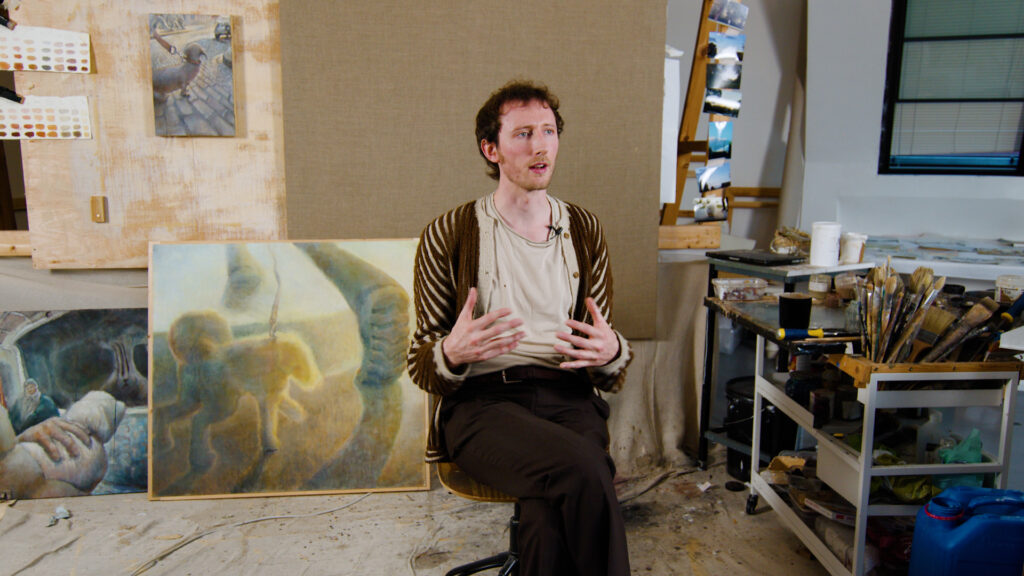
For Ruben Tönnis, art is not just a practice but a way of structuring life itself. Living and working in Berlin, painting gives him a sense of purpose and aliveness. A day spent making art, he says, is always better than one without it. What began as a hobby eventually became the center of his life, shaping how he thinks, works, and moves through the world.
Ruben’s relationship with art started early. His grandfather was an art professor, and drawing was present from his earliest memories. As a child, making art felt natural and instinctive. That connection shifted during high school, a period he describes as a kind of blackout. He stopped making art almost entirely and does not remember much from that time. When he returned to painting later, it felt like recovering a missing piece of himself.
In 2019, Ruben began painting again in earnest. From that point on, he continued making more and more work, eventually committing as much time as possible to art. Studying abroad in New Zealand played an important role in this shift. Being away gave him the feeling that he did not have to follow a fixed path or conform to expectations about work and success. He realized he had the freedom and privilege to choose how he spent his time, and he returned to what he loved most: creating.
Although art is his main focus, Ruben has explored other creative paths. He started a fashion brand as a side project around 2020 and experimented with different disciplines, including travel, sports, and studying unrelated subjects. These experiences showed him that trying new things can be fulfilling, but only temporarily. Over time, he became more interested in doing one thing deeply and well rather than spreading his energy across many pursuits. Fashion remained a side hustle, while art became the central pursuit that gave him long-term meaning.
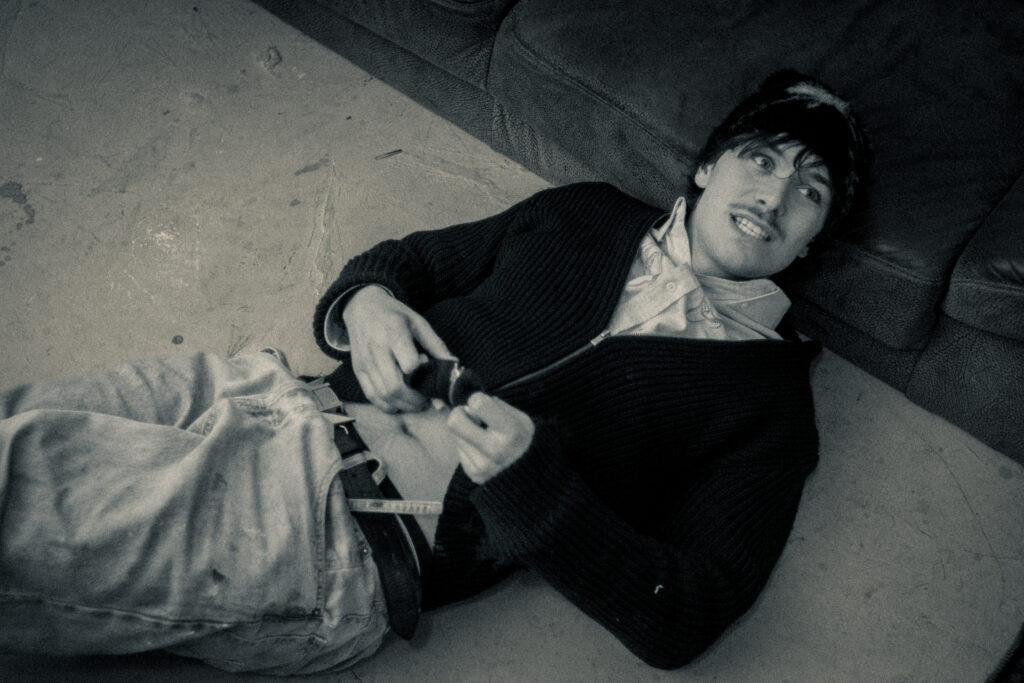
Ruben describes his goals as layered rather than singular. He wants to spend as much time as possible making art, talking about art, and connecting with other artists. At the same time, he acknowledges the competitive aspect of the art world and the desire to grow, improve, and reach people through his work. Rather than defining success by sales or recognition, he focuses on becoming the best artist he can be and creating work that moves others.
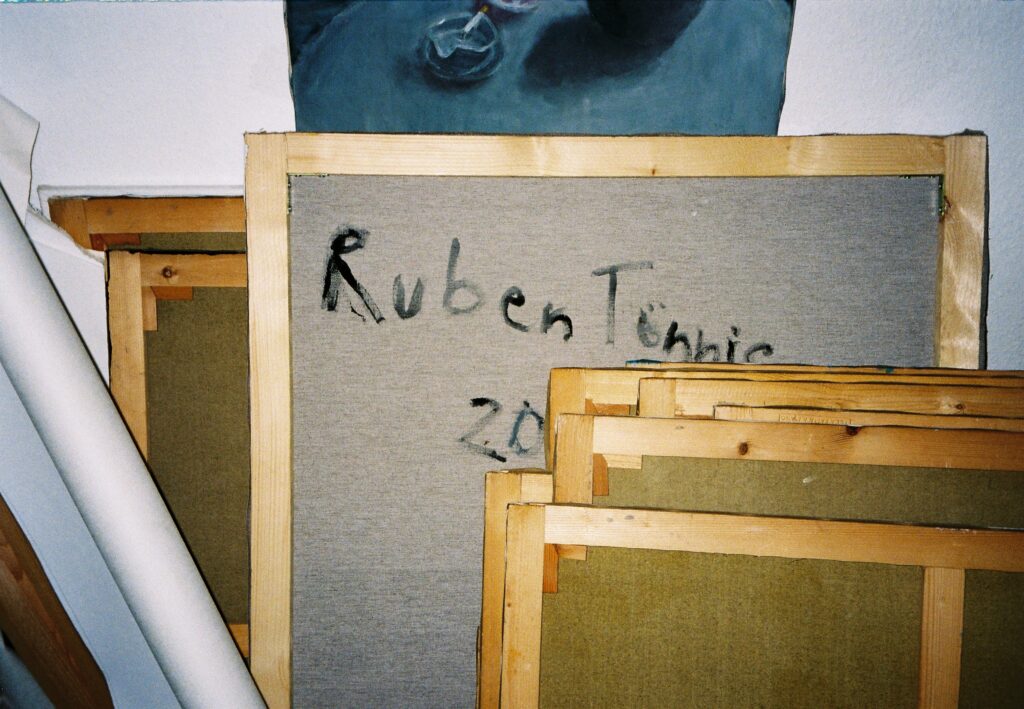
The themes in Ruben’s paintings often return to life, death, and how time is spent. He is interested in the idea that being alive is a gift and that people have some agency over how they experience that time, particularly on a mental level. Painting, for him, functions as a form of thinking and meditation. Sometimes the process is intuitive and unplanned, while other times it begins with a specific idea or message. He does not believe every painting needs to carry the same meaning, and the subjects he explores shift based on what feels personally relevant at the time.
Authenticity is central to his approach. Ruben believes that making art about a specific topic requires a real, lived connection to it. Without that connection, the work risks feeling hollow. Early on, he avoided overthinking technique or rules, finding freedom in simply starting and allowing things to happen. He encourages artists to make work without worrying too much about correctness, proportions, or established standards, especially at the beginning. Enjoyment, he says, matters more than perfection.
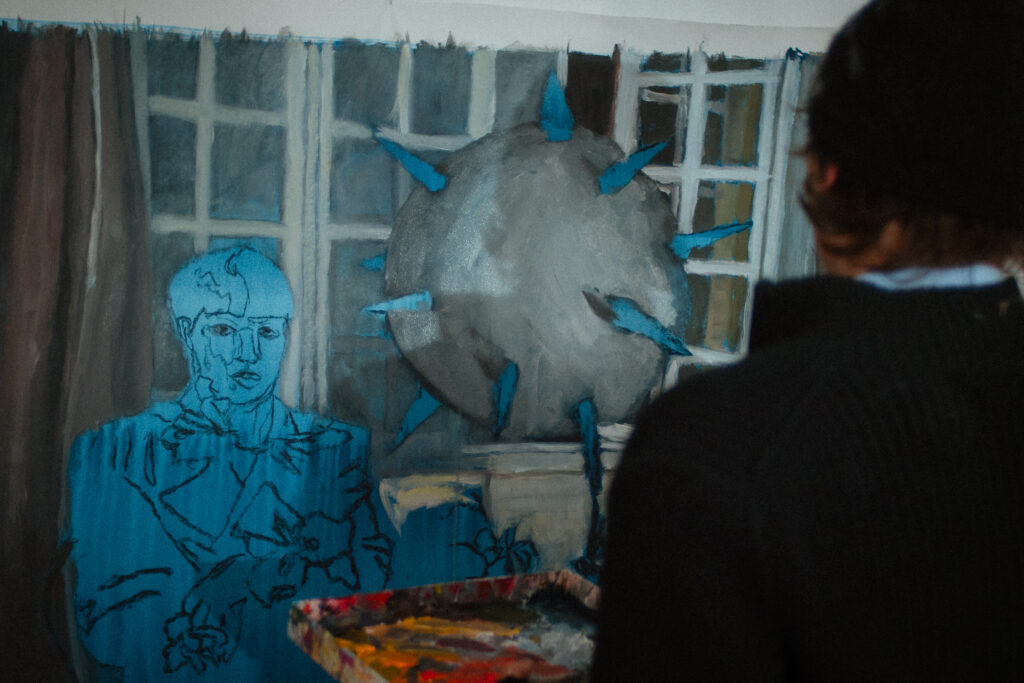
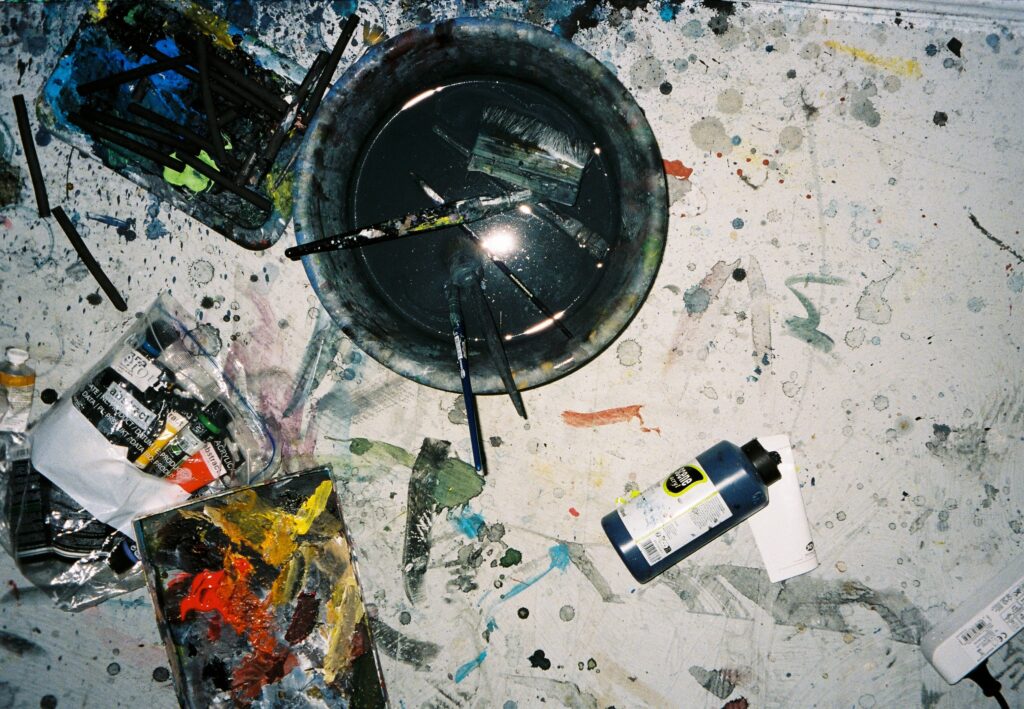
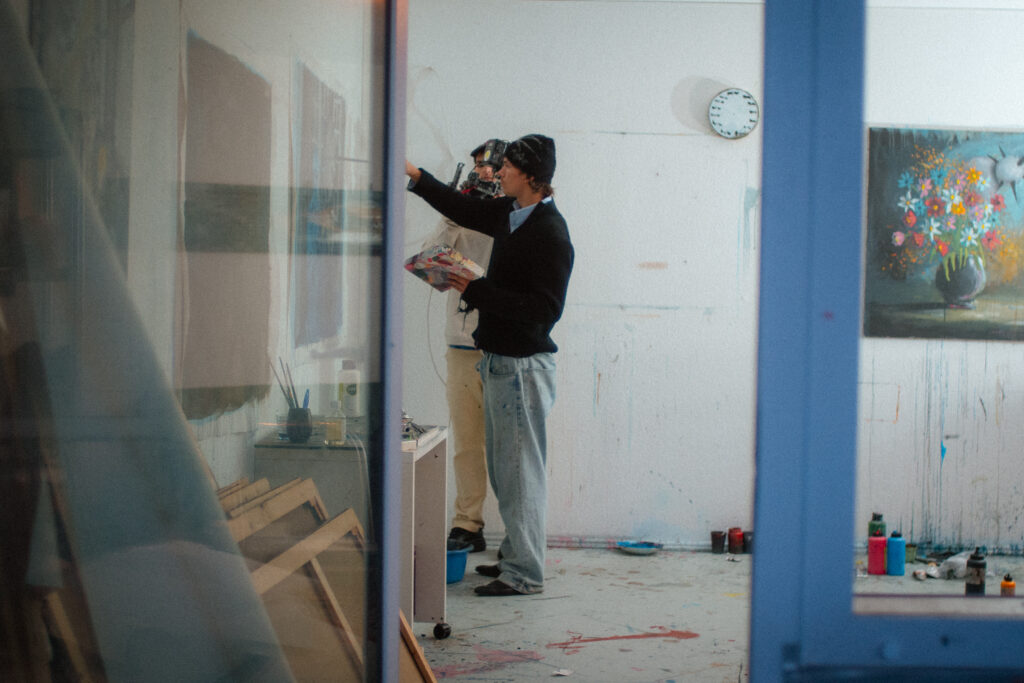
His materials and methods reflect this flexibility. Ruben sketches frequently and often prefers drawing to painting. He works with both acrylic and oil paint, using acrylics for messier, layered passages and oils when he wants more control and detail. Many of his works evolve gradually, guided by feeling rather than a fixed endpoint. A painting is finished when it feels right, or when he feels ready to move on.
Flowers appear often in his work because he finds them enjoyable to paint. They allow for freedom, color, and completion within a short time frame. He also experiments with portraits and observational sketches, drawing people in everyday environments such as bars, clubs, and trains. These quick sketches capture movement, atmosphere, and fleeting moments rather than polished representations.
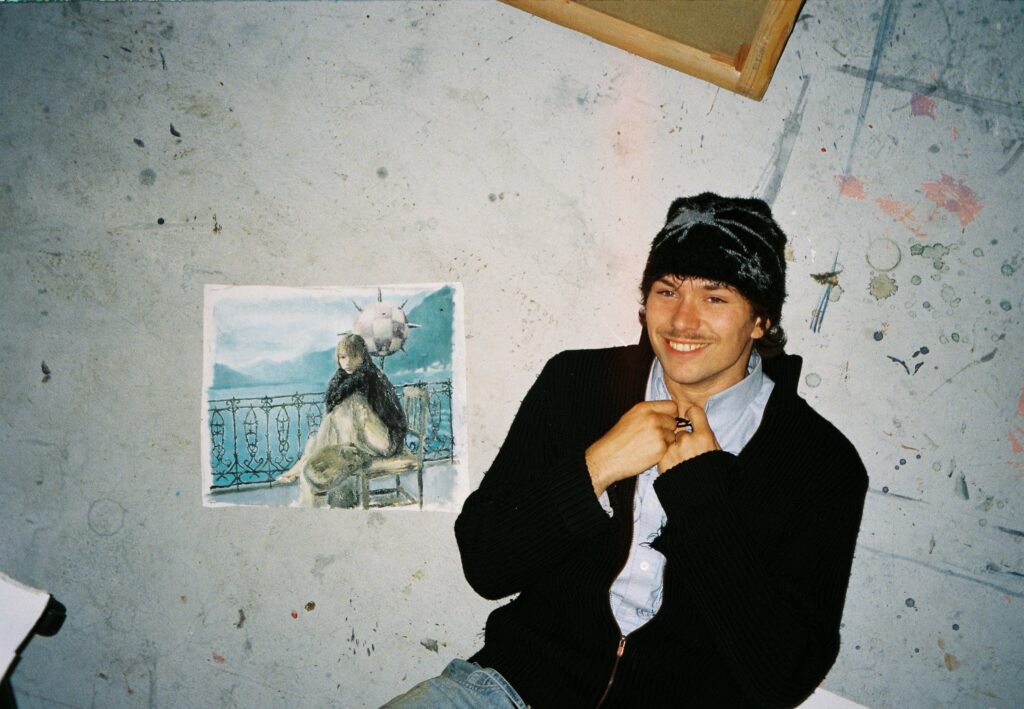
At one point, Ruben explored artificial intelligence as a reference tool, painting the same AI-generated figure in different settings. The project sparked conversation and curiosity, but he now feels ready to move away from that phase. His focus has shifted toward painting real people and building deeper connections through portraiture, possibly incorporating conversation and observation into the process.
Across all of his work, Ruben emphasizes doing rather than overanalyzing. Making art, for him, is about staying present, following curiosity, and choosing a path that feels meaningful. Art is not just something he produces, but the thing that gives his days structure, direction, and purpose.
About the Author
Sam Burke is an American artist and writer based in New York City. Working across film, performance, and writing exploring storytelling, identity, and place. As co-founder of Timestamp, Burke interviews artists, shares insights, and highlights conversations shaping art world today.
Sam Branden
There is a moment early on where Sam Brandon admits something that feels both fragile…
Amy Bravo
Amy Bravo’s work unfolds as a raw, layered exploration of emotion, memory, and identity. An…

Björn Heyn
Björn Heyn does not describe his studio as a workplace. He calls it a playground….
Hugo Winder-Lind
Hugo Winder-Lind does not talk about art as if it is something that can be…
What Curators Are Looking For in 2026: Insights From Across the Art World
In 2026, curators aren’t just responding to aesthetic trends – they’re shaping how art is…
Ranny Macdonald
Ranny Macdonald describes painting as a threshold experience, a place where something begins to take…