
For many artists, inspiration arrives through grand ideas, dramatic experiences, or carefully planned concepts. For painter Su Su, inspiration often begins somewhere much quieter: a bowl of rice, a family story, a childhood memory, or the way a city reveals itself over time.
In a conversation with Timestamp, Su Su reflected on the experiences that shaped her artistic practice, from growing up in a Manchurian family with deep cultural traditions to building a unique painting language in New York. Throughout the interview, one theme emerged again and again: art is not separate from life. It is woven into everyday experience.
Su Su’s earliest artistic influences came from her family, particularly her grandfather. Although he practiced calligraphy, carved jade seals, painted, and played music, he never described himself as an artist. These creative activities were simply part of daily life.
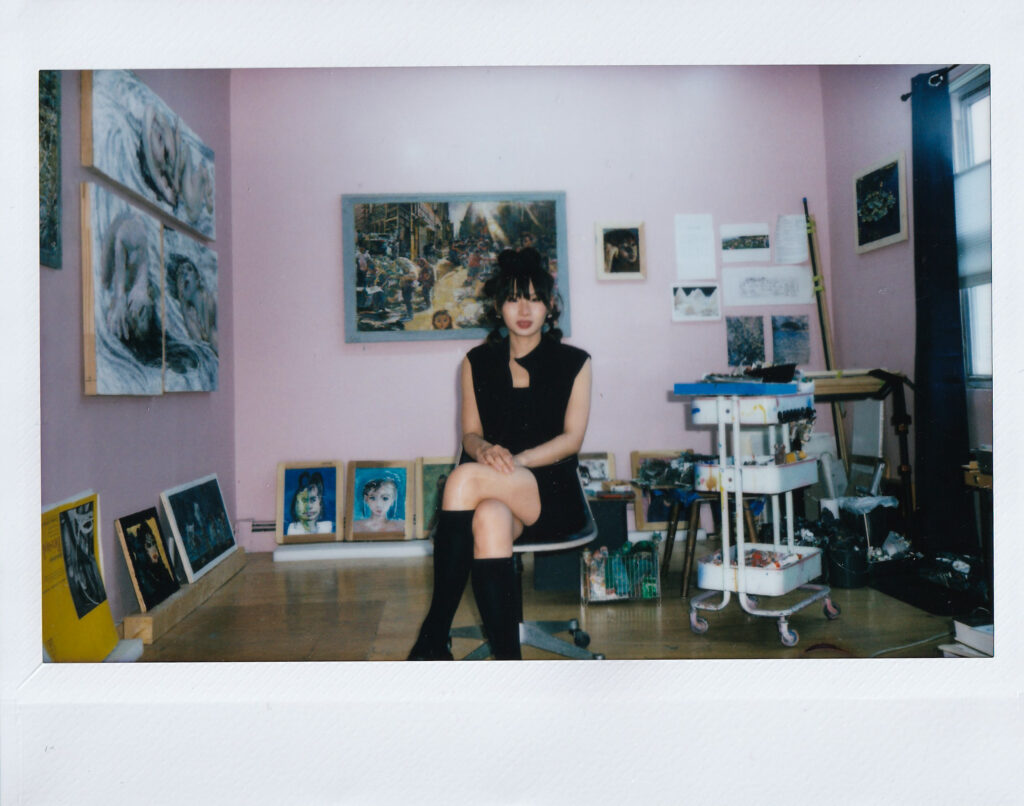
As a child, Su Su struggled to understand this perspective. She believed art was something special, something that required effort, research, and intention. Watching her grandfather effortlessly practice calligraphy challenged that idea.
His view was different. Art was not confined to a studio or a finished object. The body itself was the instrument. Practice happened every day, whether writing calligraphy with water on stones in the yard or studying the craftsmanship of historic architecture.
That lesson would become foundational to Su Su’s own approach. Rather than separating art from life, she learned to see creativity as something embedded in ordinary routines, relationships, and observations.
Growing up, Su Su’s family taught her to look beyond appearances.
Visits to Beijing’s Forbidden City became lessons not only in history but in construction, craftsmanship, and design. Family members explained how buildings were assembled, why decorative elements existed, and how every visible detail connected to a deeper structural system.
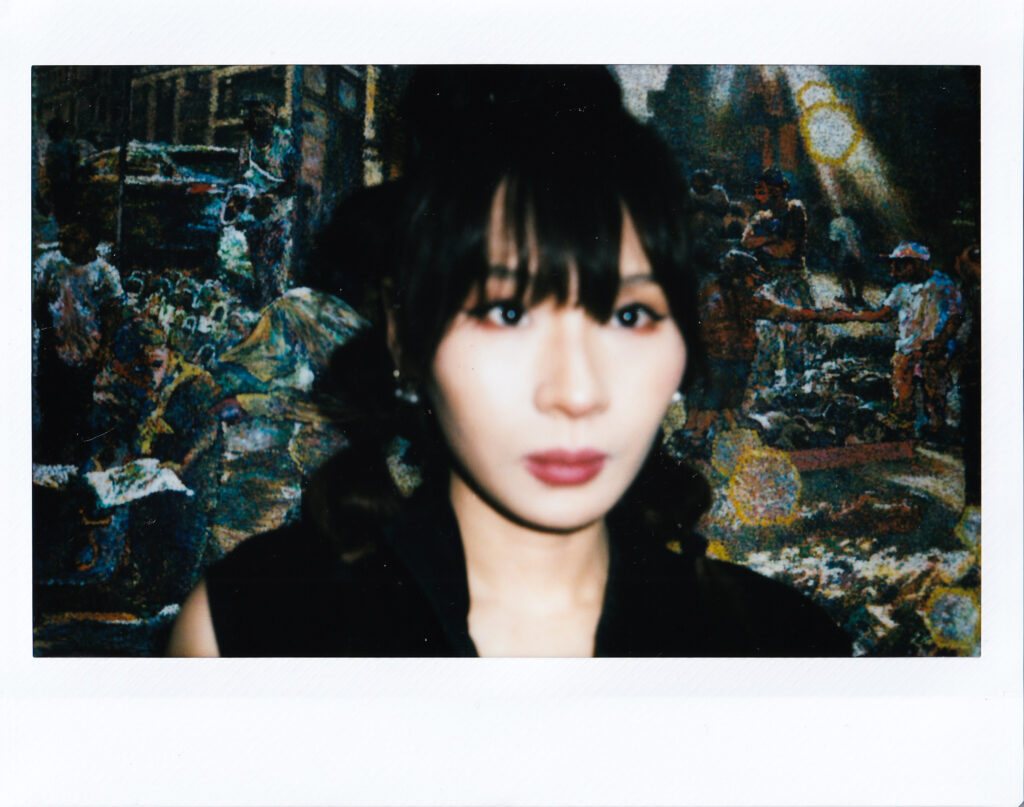
This way of seeing continues to influence her work today.
When Su Su looks at a painting, she is interested not only in the final image but in the process that created it. The visible surface matters, but so do the systems underneath: the decisions, techniques, materials, and years of practice that allow the work to exist.
This understanding has shaped both her artistic philosophy and her dedication to craft. For Su Su, technique is not separate from meaning. The two are inseparable.
One of the most compelling aspects of Su Su’s work is her ability to transform ordinary experiences into rich visual subjects.
She described a series inspired by childhood memories of coming home alone after school and making simple snacks from rice. To entertain herself, she would shape the rice into miniature mountains, houses, and figures before eating it.
Years later, those memories became the foundation for a body of paintings.
What interests Su Su is not nostalgia for its own sake. Instead, she is drawn to the emotional weight carried by everyday objects. Rice is commonplace. It is easy to overlook. Yet it carries memories, cultural associations, comfort, and identity.
The more she reflected on these seemingly trivial experiences, the more she realized they contained powerful emotional truths.
Rather than searching for extraordinary subjects, she began looking more closely at the ordinary.
Although many of Su Su’s themes originate in childhood memories, New York has played an equally important role in shaping her work.
Living in Brooklyn encouraged her to reconsider familiar experiences through a new lens. The city’s diversity, intensity, and constant movement created opportunities to see ordinary things differently.
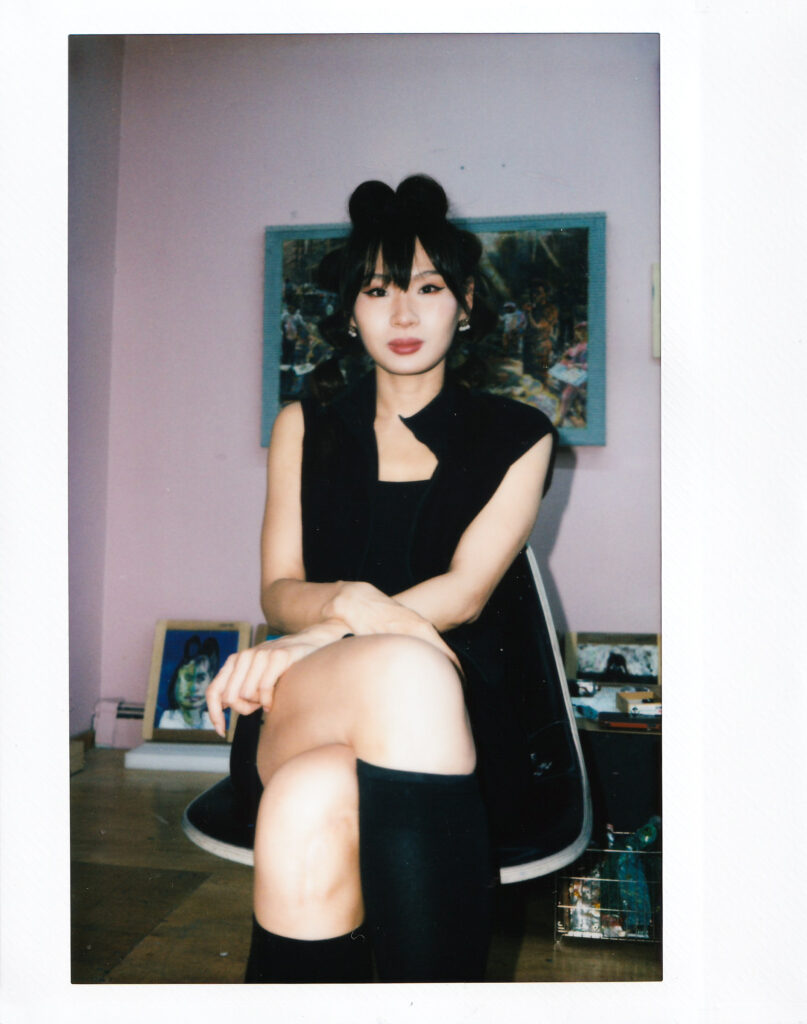
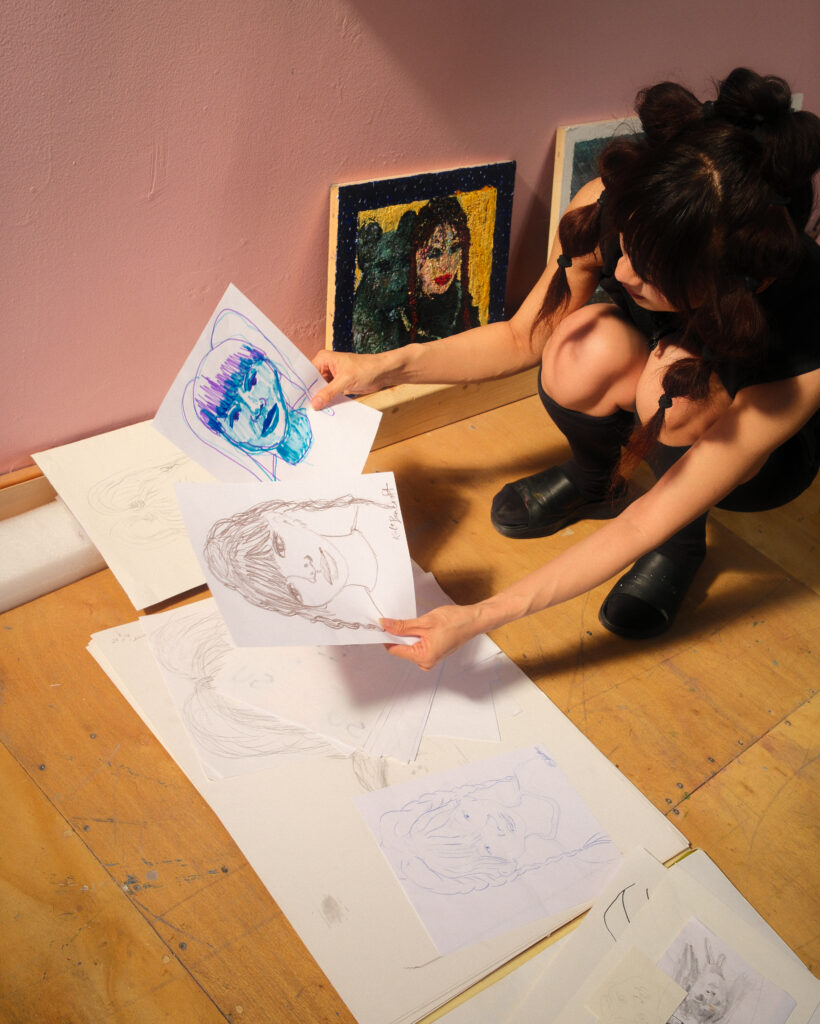
She spoke about finding inspiration in places like Canal Street, an area she initially found overwhelming and chaotic. Over time, however, she began to appreciate it as an essential part of the city’s infrastructure and character.
For Su Su, Canal Street became a metaphor. Just as a building’s hidden pipes and wiring are necessary to support its visible structure, the crowded, messy realities of urban life are often what make a city function.
This shift in perspective reflects a larger pattern in her practice: looking beyond first impressions to discover deeper layers of meaning.
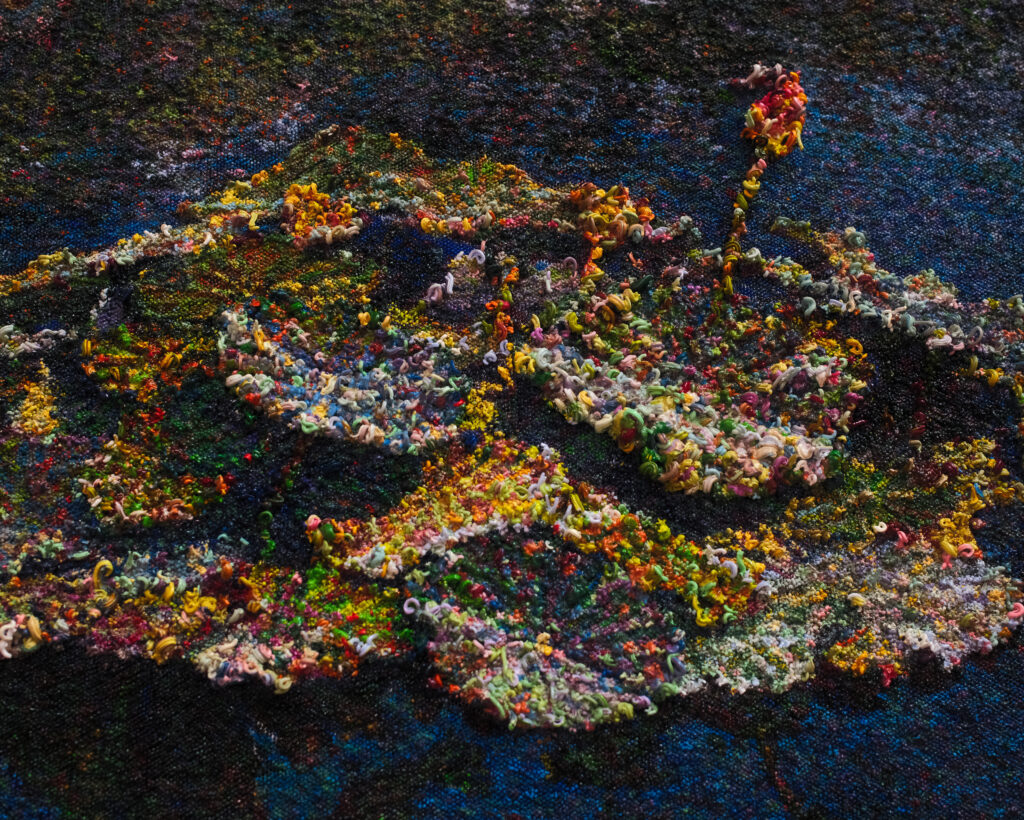
Over the last decade, Su Su has developed a highly distinctive approach to painting that combines technical experimentation with rigorous study of color, material, and perception.
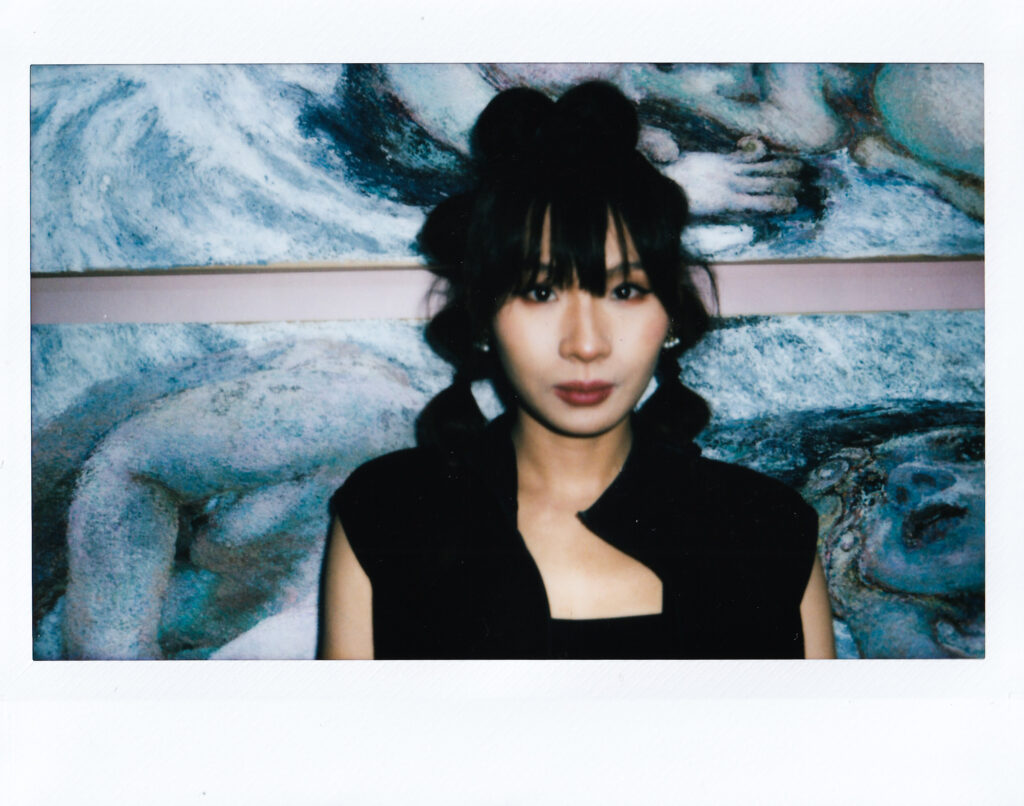
She is deeply interested in how colors interact, how surfaces transform, and how viewers experience visual relationships. Her work often involves processes that challenge conventional ideas about painting while remaining rooted in painterly concerns.
Yet despite the complexity of her methods, her goal remains straightforward.
She wants the process to serve the idea.
As she explains, the strongest paintings are those where technique and subject matter reinforce one another. Materials, color choices, and methods should not exist simply to demonstrate skill. They should help communicate the work’s deeper intentions.
This commitment to both experimentation and meaning has allowed her practice to evolve continuously while maintaining a clear artistic voice.
Throughout the interview, Su Su returned repeatedly to the idea that art is fundamentally about connection.
It connects individuals to their histories, their communities, and their environments. It allows artists to communicate experiences that might otherwise remain invisible. It creates opportunities to recognize shared emotions in seemingly personal stories.
Whether she is drawing from childhood memories, family traditions, cultural histories, or the energy of New York City, Su Su’s work invites viewers to find significance in the things they encounter every day.
The result is a practice grounded not in spectacle but in attention.
By looking closely at ordinary moments, she reveals the extraordinary complexity that already exists within them.
As her grandfather taught her long ago, art is not something separate from life.
It is life, observed carefully.
About the Author
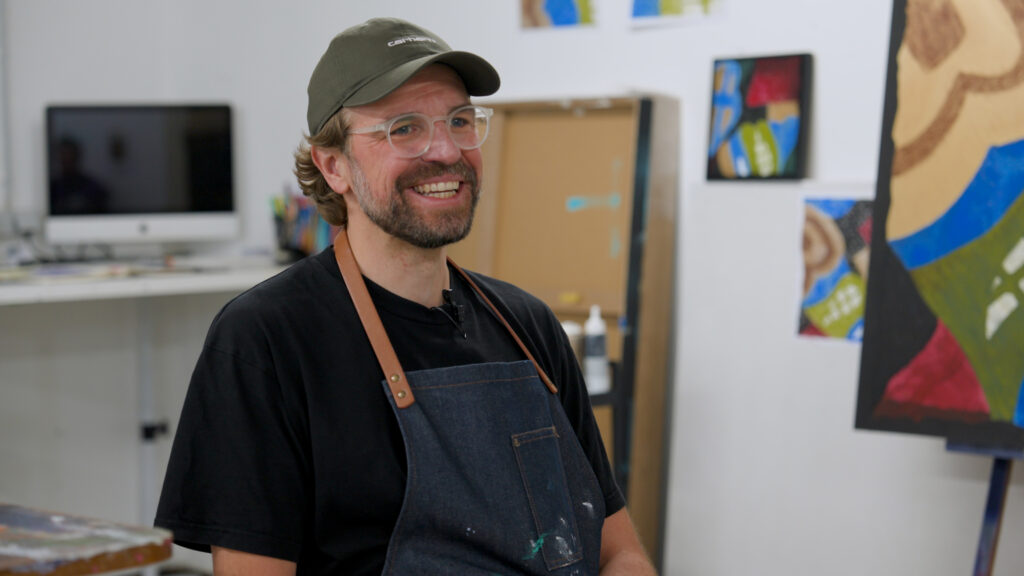
Sam Burke is an American artist and writer based in New York City. Working across film, performance, and writing exploring storytelling, identity, and place. As co-founder of Timestamp, Burke interviews artists, shares insights, and highlights conversations shaping art world today.
Stéphane Koyama-Meyer
French visual artist and designer based near Basel, Stéphane Koyama-Meyer grew up surrounded by art,…
Yuval Bezalel
For Yuval Bezalel, painting begins with the hands, before there is a narrative, before there…
Adèle Aproh
For Adèle Aproh, drawing began long before she knew it could become a career. Her…
Félix Deschamps Mak
Félix Deschamps Mak is a French painter based in Paris, working in large scale figurative…
Katya Quel
Katya Quel is an artist and multidisciplinary creator, born and raised in Moscow, who now…
Why Dia Beacon Deserves a Full Day of Your Attention
There are museums you visit to check a box. And there are museums that quietly…
Pingback: Best Art Supplies for Beginners: A Medium-by-Medium Guide (2026) -