
Born in Brazil and now living in Portugal, Pietro Cavalcanti describes his practice as a form of attention. A drawer, researcher, teacher, and lifelong observer, he approaches art as a way of tuning into rhythms that already exist within us. His drawings, calligraphic forms, and organic figures emerge not from rigid planning but from a process of listening to memory, intuition, and the natural world.
“Making artwork for me is tuning into the natural rhythms of my body and to a certain memory that lives in my body,” he says. “I’m just learning how to listen to it.”
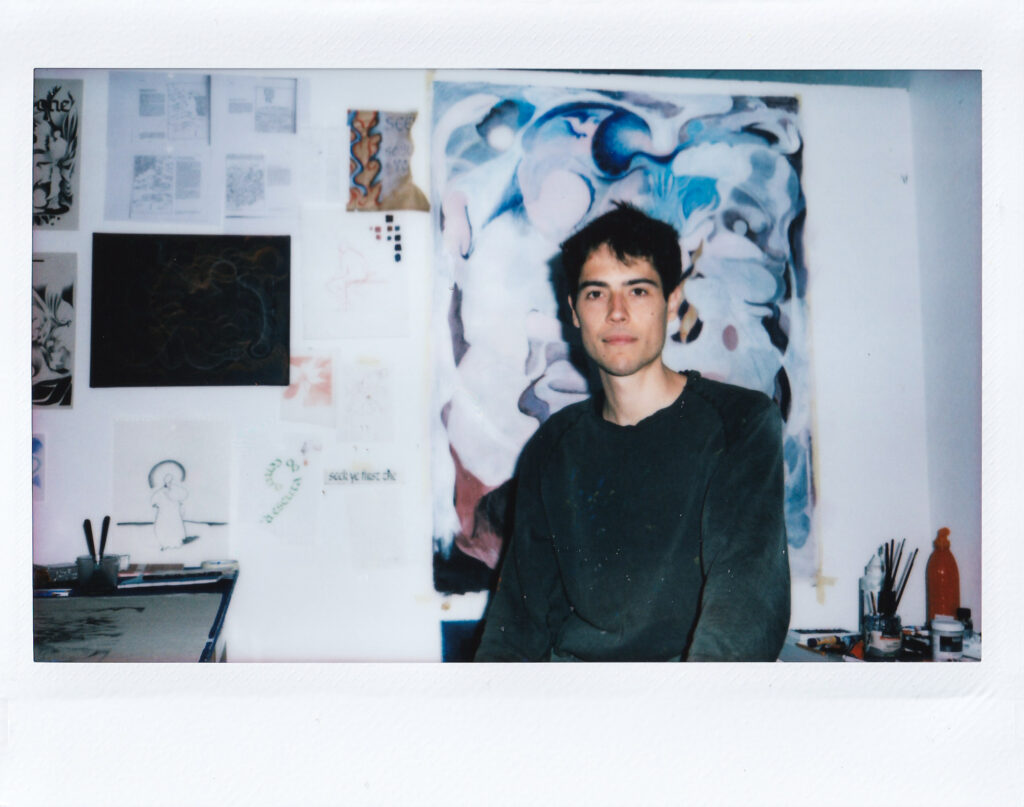
That commitment to listening has guided Cavalcanti since childhood. He attended a constructivist school in Brazil where art-making was woven into every subject. Students were encouraged to explore materials, make things with their hands, and learn through curiosity. It was an experience that left a lasting impression.
“I was able to explore something that is innate to every human being,” he recalls. “To try things out with their hands, to make things, to explore the material world.”
When he later moved into more traditional educational systems, that freedom largely disappeared. Drawing in class became something that could get him sent to the principal’s office. Yet those restrictions only strengthened his relationship with art.
“As I was put into more boxes through schools and university tracks, I got to relate to art-making even more strongly because that was a safe place where I didn’t have to be in any boxes.”
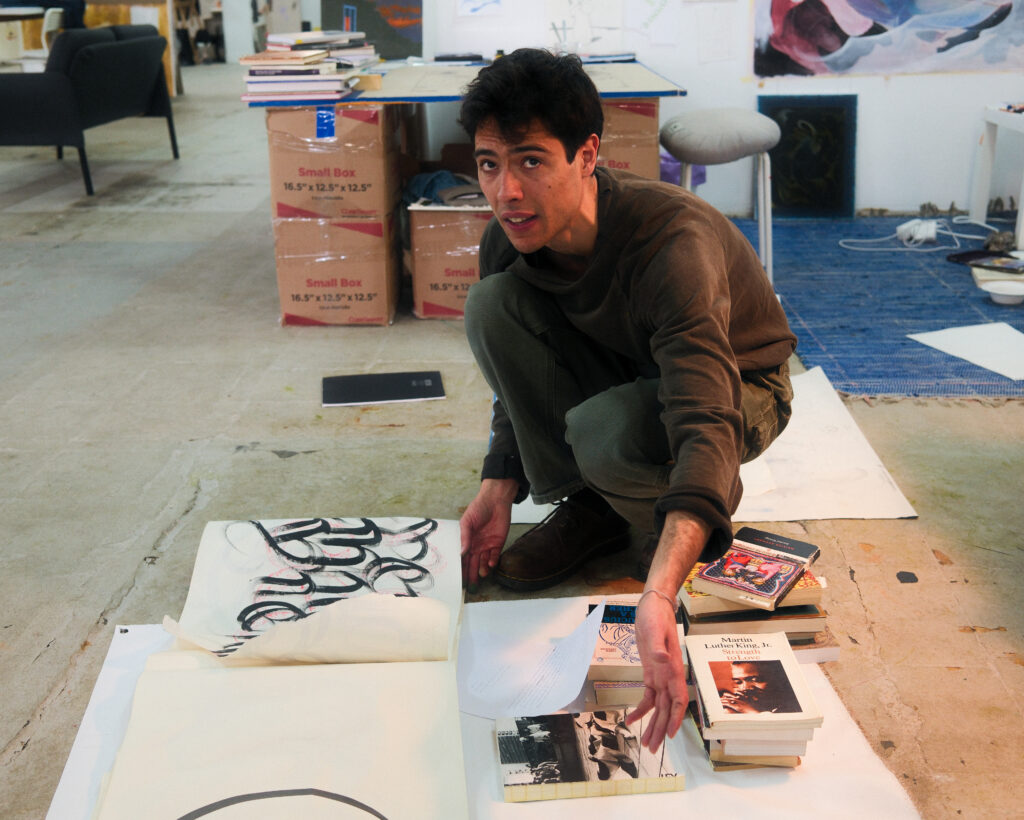
For Cavalcanti, art has never been separated from play. The impulse that drives his work today is the same impulse that existed when he was a child sitting on the floor with crayons.
“It’s still the same,” he says. “Sitting around and taking out the crayons on the floor and just making a bit of a mess and enjoying myself.”
Over time, that playful instinct developed alongside formal training. He studied graphic design, became deeply interested in calligraphy, and later apprenticed under a sign painter in Brooklyn. Through letterforms, hand-painted typography, and traditional craft, he found connections between image-making, history, and culture.
“The letter form, the pictogram, the beginning of image making, that is something that’s really central to my work.”
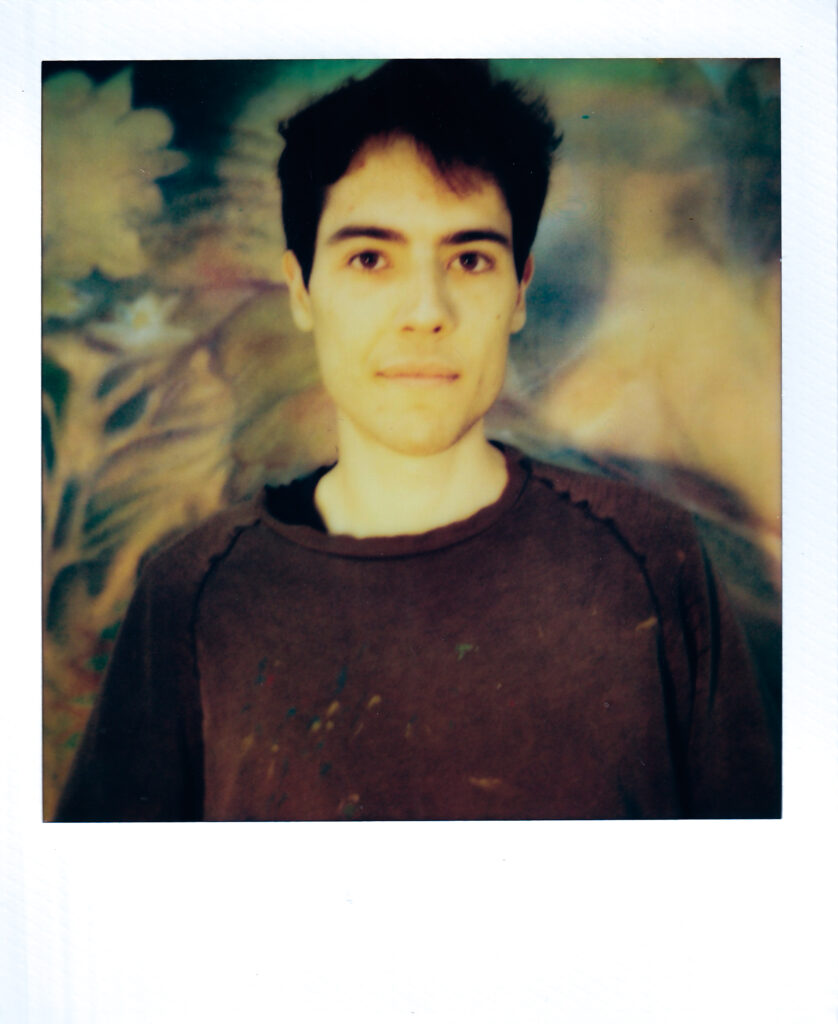
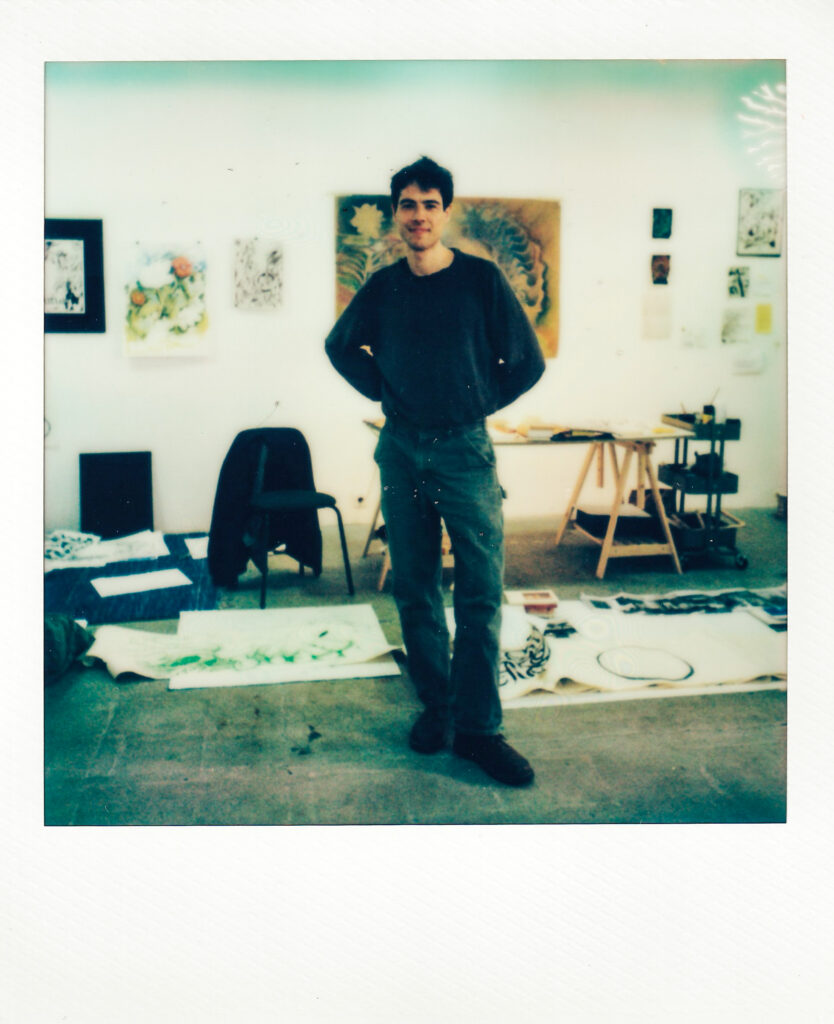
His years in New York also led him toward teaching. Cavalcanti eventually earned a master’s degree in art pedagogy and worked with students from a wide range of backgrounds. The experience reinforced a lesson he had learned from his own most influential teachers: structure matters, but freedom matters just as much.
“The teachers who helped me grow the most were interested in what was going on inside me,” he says. “Not only what was coming out of me.”
That philosophy continues to shape how he approaches both teaching and making art. Rather than focusing solely on outcomes, he values creating spaces where exploration can happen naturally.
“I was just facilitating,” he says of his role as an educator. “I was just giving that space.”
Community plays a similarly important role in his thinking. While many artists are encouraged to focus on individual success, Cavalcanti often returns to ideas of interconnectedness. Living in China as a teenager exposed him to more community-centered ways of thinking, experiences that continue to influence his outlook today.
“I’m just an ant in the anthill,” he says. “I play a part here, and it’s very important, but it’s in the name of all the people that came before and all the others that come after.”
That perspective informs his understanding of purpose. For Cavalcanti, the goal is not recognition or status but finding one’s place among others.
“The goal is to find purpose in the sense of finding your place with other people.”
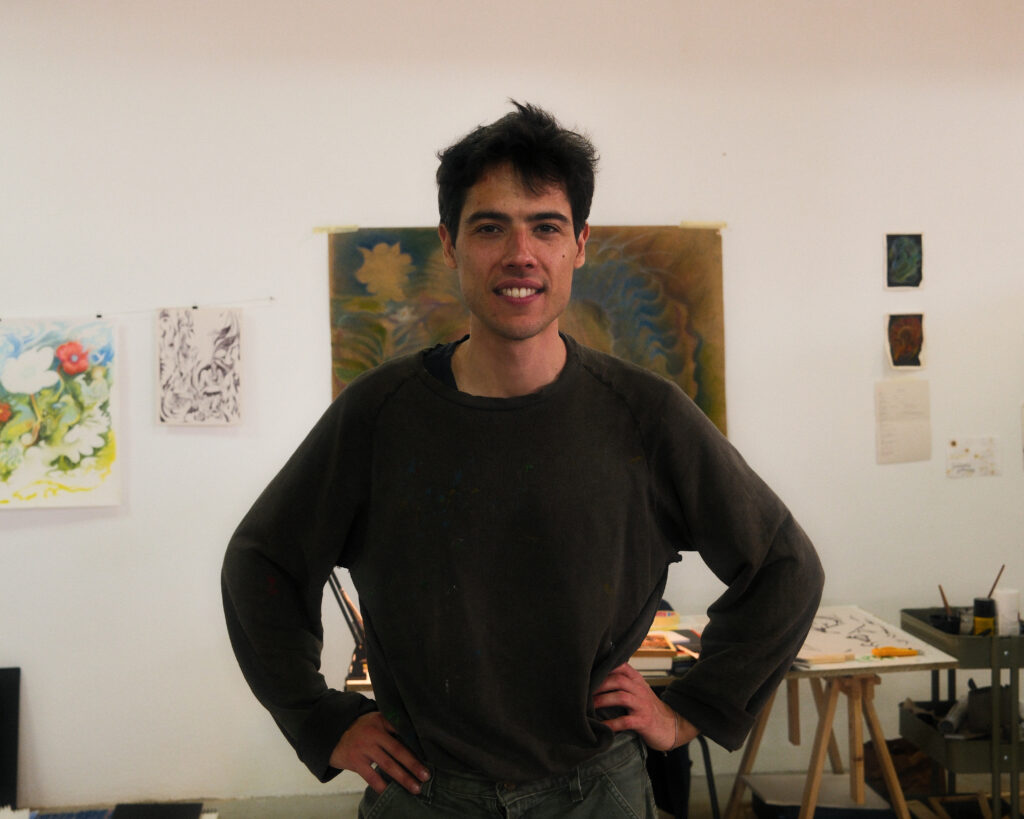
His work frequently draws from spiritual traditions, indigenous stories, philosophy, and observations of the natural world. Growing up in Brazil exposed him to a rich blend of cultural and religious influences, and today he continues to explore those traditions through reading, reflection, and direct experience.
Yet he is careful not to treat stories or philosophies as destinations. To him, they are pointers.
“All these books and philosophies are pointing to something that’s already here,” he says.
That same idea shapes his understanding of art itself. Drawings, paintings, and words are not answers. They are invitations to notice something deeper.
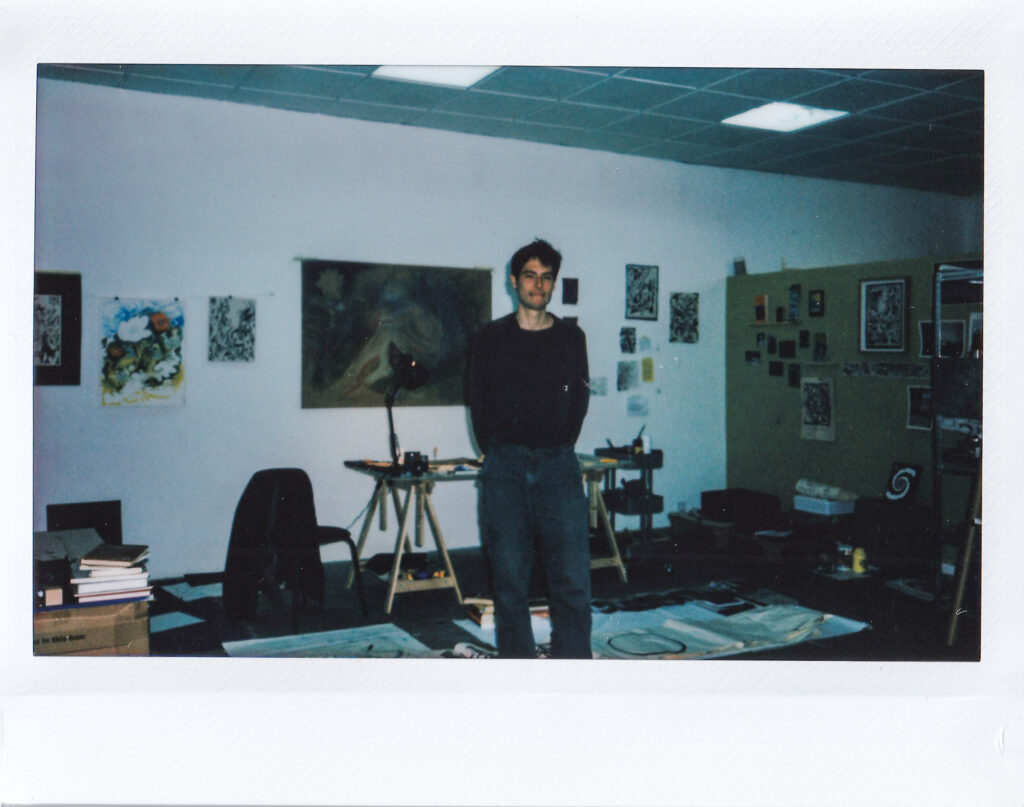
When asked what his work is actually about, Cavalcanti hesitates. The question itself seems almost too fixed for something so fluid. “It’s really about a dance that I do,” he says.
Across the page, forms emerge and recede. Plant-like structures, figures, symbols, and calligraphic gestures appear through movement rather than predetermined intention. The process becomes a conversation between what wants to come into existence and what remains unformed.
“It comes from this listening process to a rhythm that’s already within me.”
That listening extends beyond the studio. In fact, Cavalcanti believes some of the most important artistic work happens away from the drawing table entirely. It happens in conversations, in relationships, in quiet observation, and in moments of presence.
If he could offer one piece of advice to younger artists, it would be remarkably simple. “Listen.”
Not just during meditation or moments of solitude, but throughout everyday life. Listen during moments of challenge. Listen when thoughts become loud. Listen when the world feels overwhelming.
“We want to fill moments with words and action,” he says. “But this yielding, this letting things pass, that’s important.”
For Cavalcanti, attention itself is a creative practice. The act of observing without immediately reacting reveals something essential about both art and life.
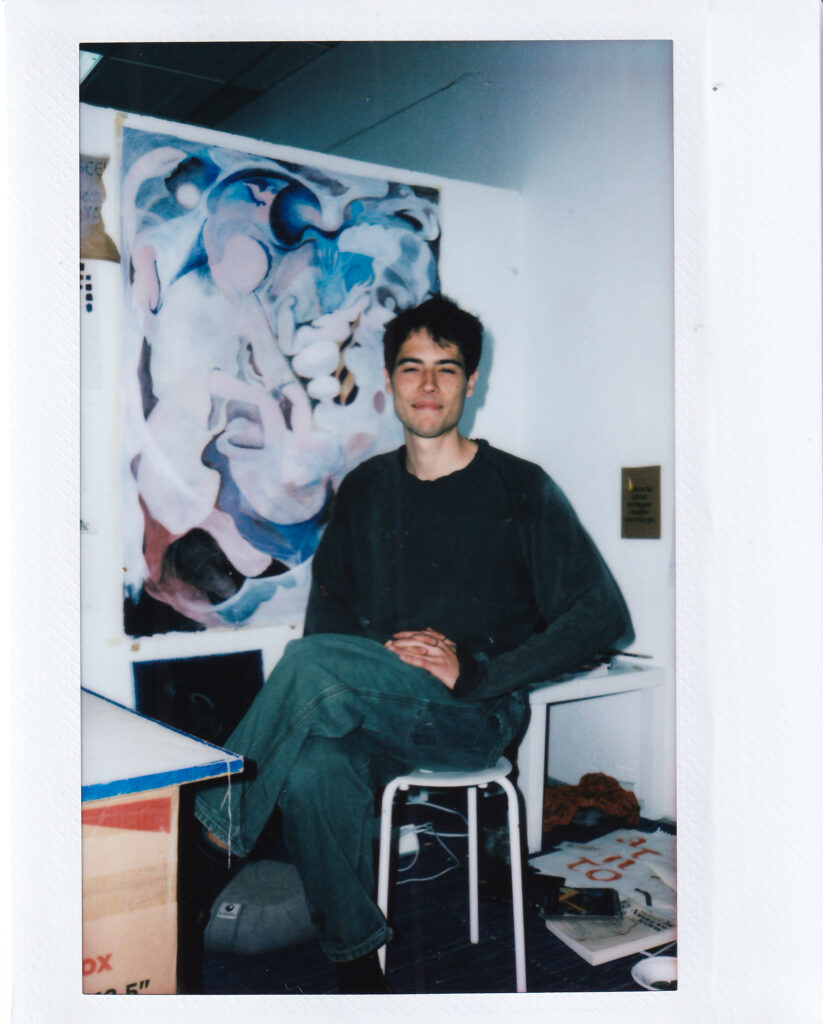
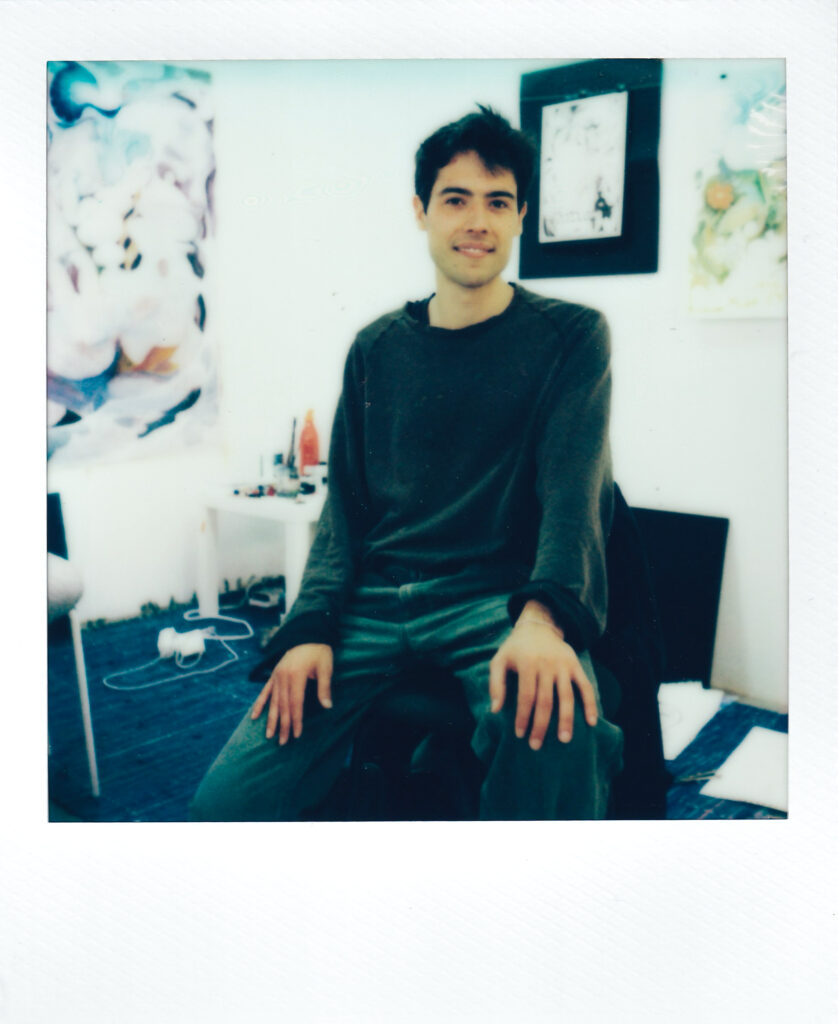
“A lot of my suffering, a lot of my dissatisfaction, is noise,” he reflects. “So listen to it. It’s noise. Okay.”
Despite the challenges of pursuing a creative life, quitting has never felt like the answer. There is still too much to discover.
“There are too many things to find out still to think about quitting.”
Instead, he returns to curiosity. The same curiosity that drives children, animals, and artists alike. The same curiosity that encourages us to notice colors, textures, sounds, and stories that surround us every day.
“There’s too much,” he says with a smile. “If you were aware of all of this, you’d go crazy.”
Perhaps that is why listening remains at the center of everything he does. Through listening, the world reveals itself as something far larger and more interconnected than we often realize.
“There are many helpers out there,” Cavalcanti says. “Many angels. They’re not only human-formed.”
Whether it is a friend, a teacher, a tree, a bird, or even a tiny ant crossing the ground, the world is constantly offering lessons to those willing to pay attention.
“Just listen a little bit more,” he says. “There’s a lot of magic going on here.”
About the Author
Sam Burke is an American artist and writer based in New York City. Working across film, performance, and writing exploring storytelling, identity, and place. As co-founder of Timestamp, Burke interviews artists, shares insights, and highlights conversations shaping art world today.
Stéphane Koyama-Meyer
French visual artist and designer based near Basel, Stéphane Koyama-Meyer grew up surrounded by art,…
Yuval Bezalel
For Yuval Bezalel, painting begins with the hands, before there is a narrative, before there…
Adèle Aproh
For Adèle Aproh, drawing began long before she knew it could become a career. Her…
Félix Deschamps Mak
Félix Deschamps Mak is a French painter based in Paris, working in large scale figurative…
Katya Quel
Katya Quel is an artist and multidisciplinary creator, born and raised in Moscow, who now…
Why Dia Beacon Deserves a Full Day of Your Attention
There are museums you visit to check a box. And there are museums that quietly…