-
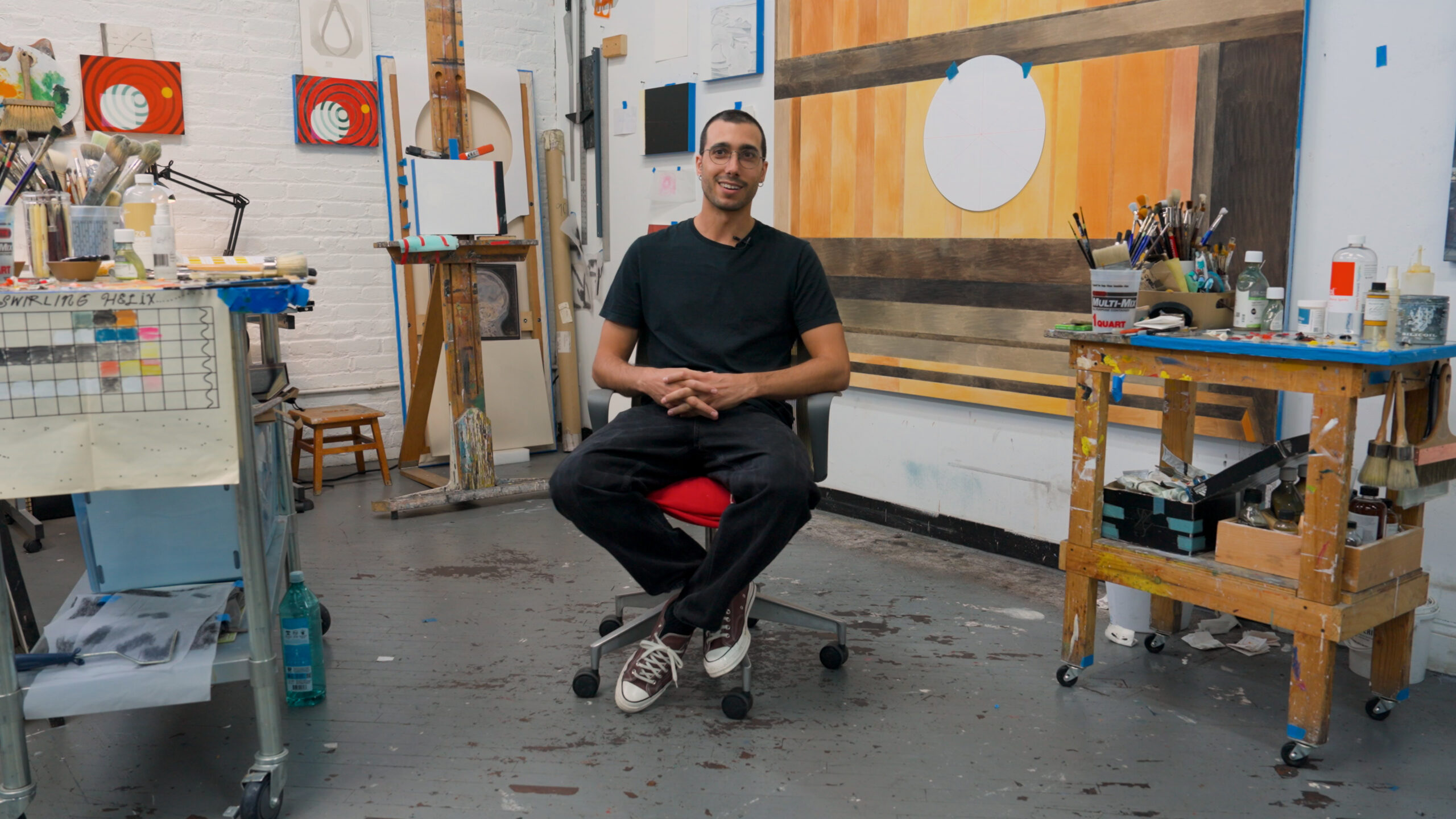
Gonçalo Preto
For Portuguese painter Gonçalo Preto, a painting is never simply a representation of something seen. It is an opportunity to question how we perceive the world, how light changes what we understand, and how an image can reveal something that would otherwise remain hidden. Based in Brooklyn, New York, Preto approaches painting with the precision
-
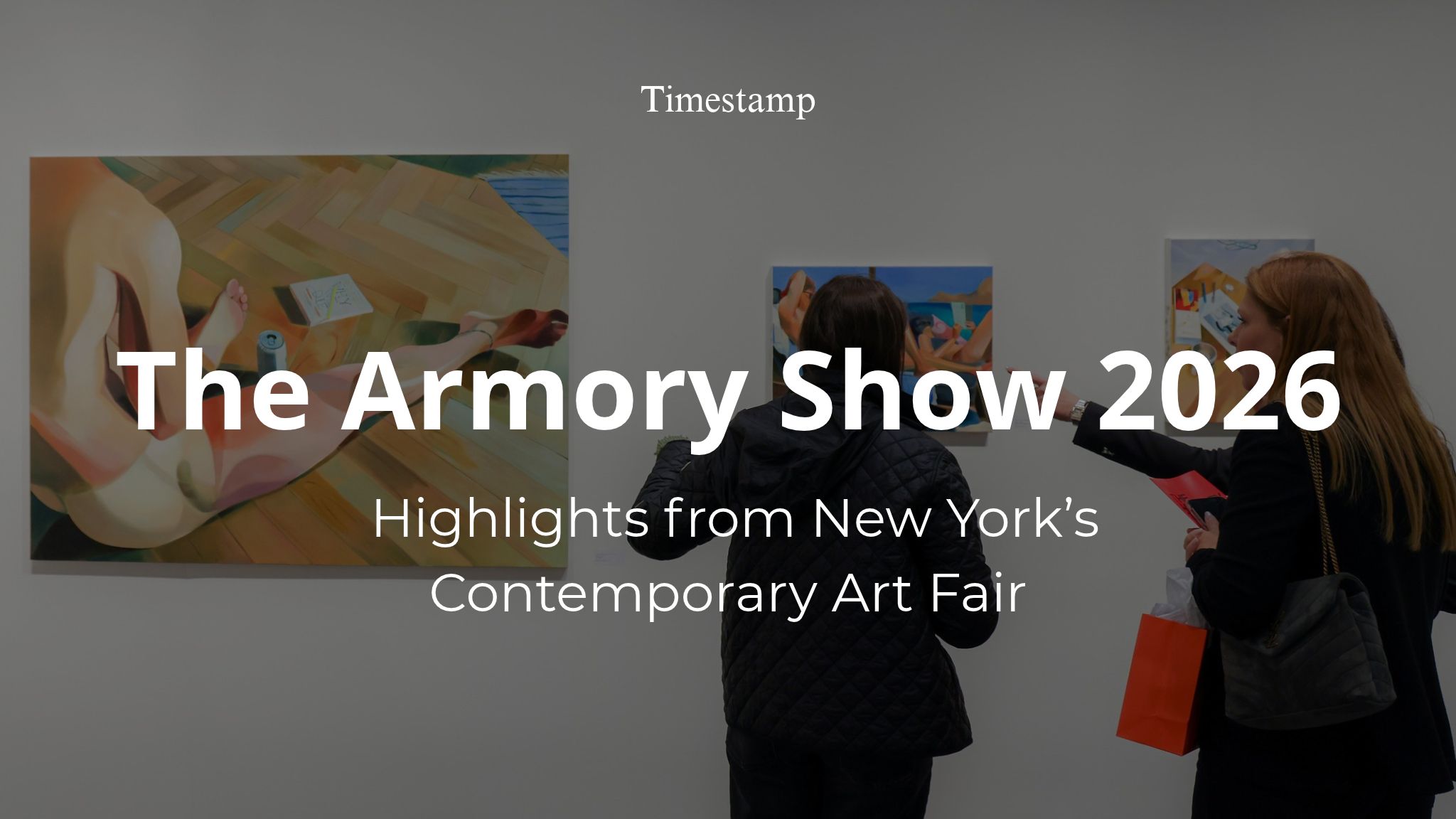
The Armory Show 2026: Highlights from New York’s Contemporary Art Fair
From experimental painting to immersive installations, a look at the artists, booths, and ideas that stood out to us at this year’s fair. A Look Inside The Armory Show Every September, The Armory Show brings together galleries, artists, collectors, and art enthusiasts at New York’s Javits Center. The 2026 edition continued this tradition, transforming the
-
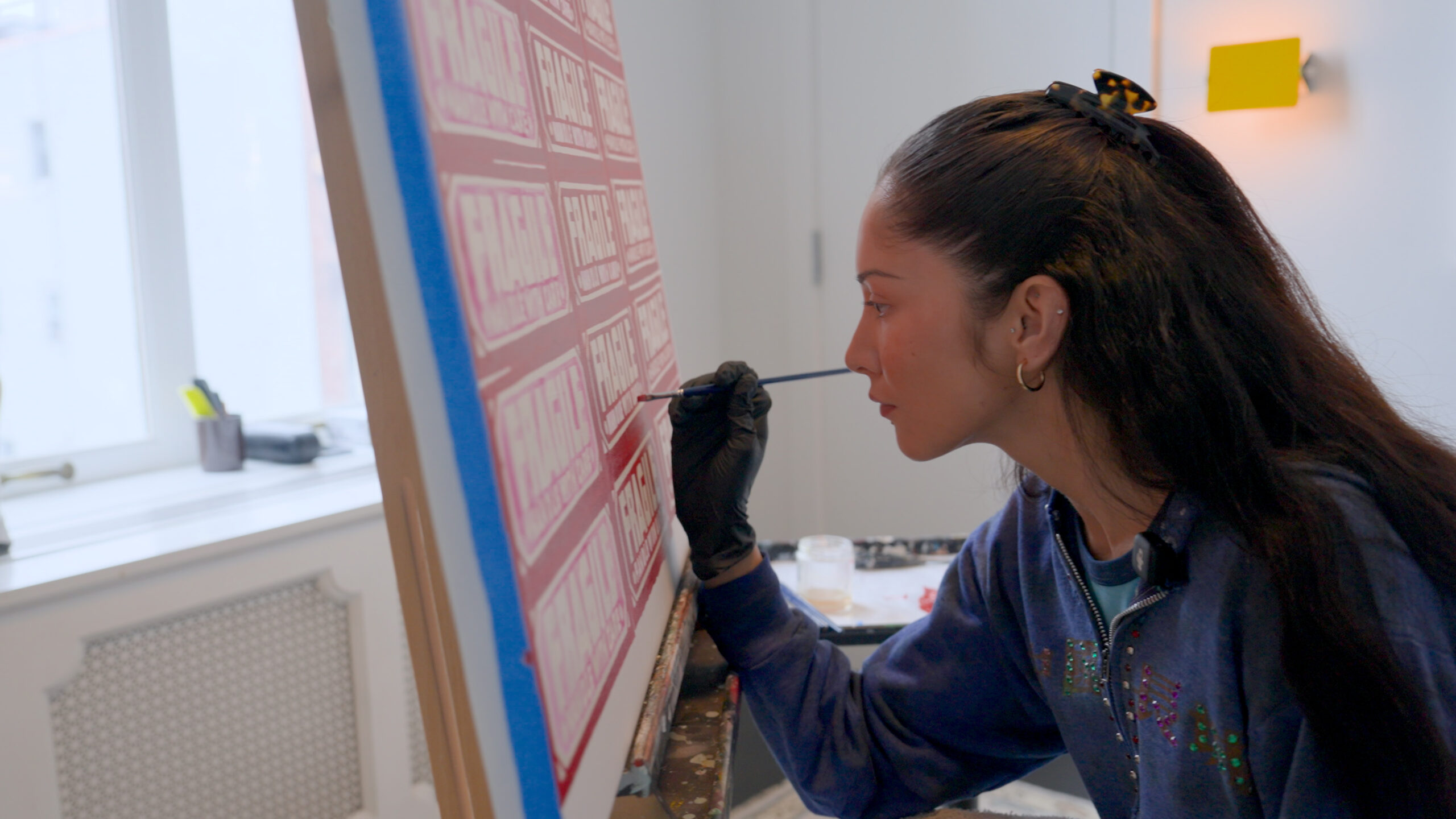
Mia Goldstien
Born in Los Angeles and now working in New York City, Mia Goldstein has built a practice around looking closely at the ways people live with art, the environments they create around it, and the often overlooked moments that shape its relationship with the world. Her paintings begin with observation, but they rarely end there,
-
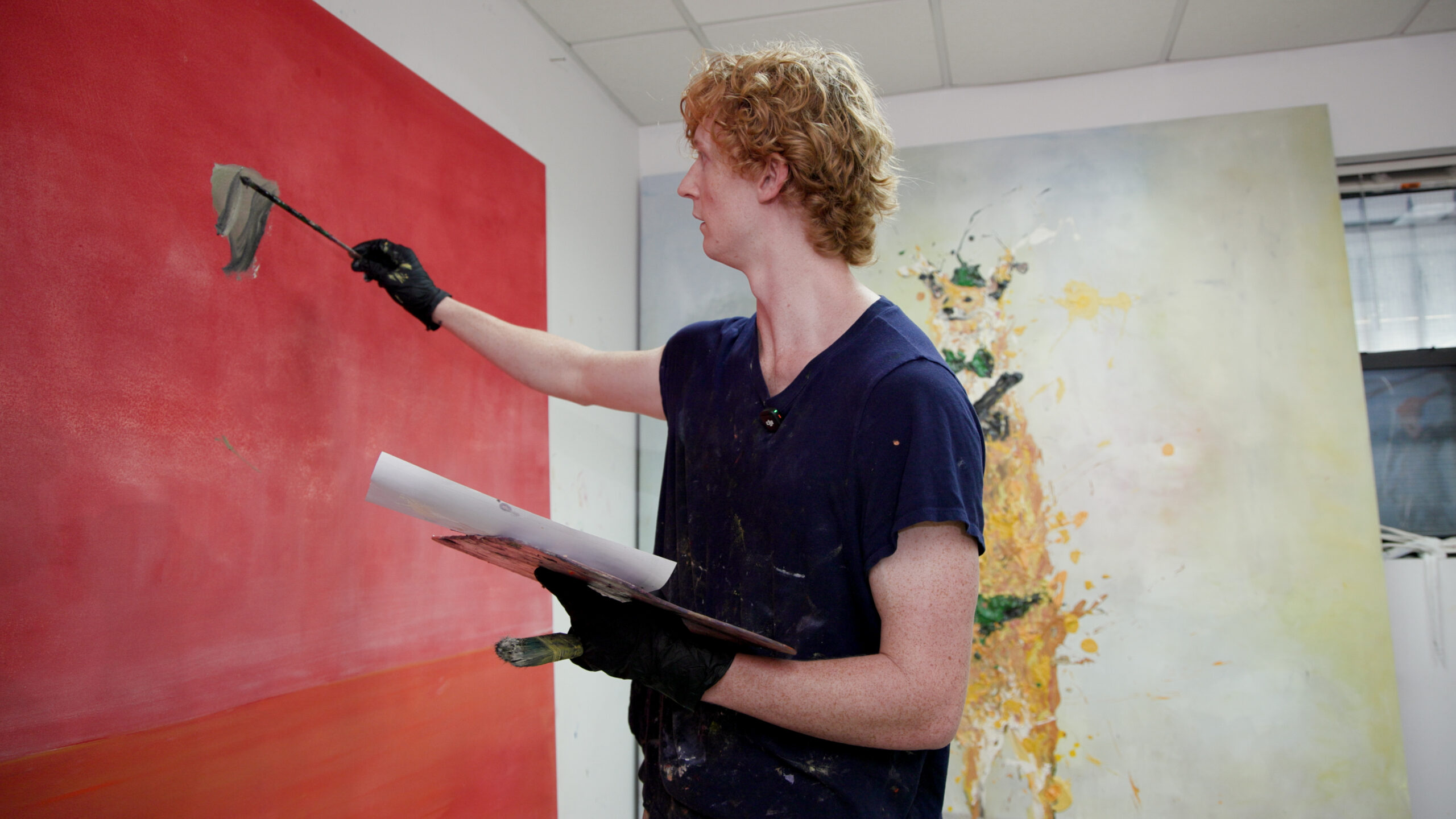
Michael Alexander Campbell
Michael Campbell once tried to give up making art. The idea, as he explains it, was that creativity might become more powerful if it were directed toward a single pursuit, like a river whose smaller streams are blocked off so that all its force can move in one direction. He stopped painting, writing, and doing
-
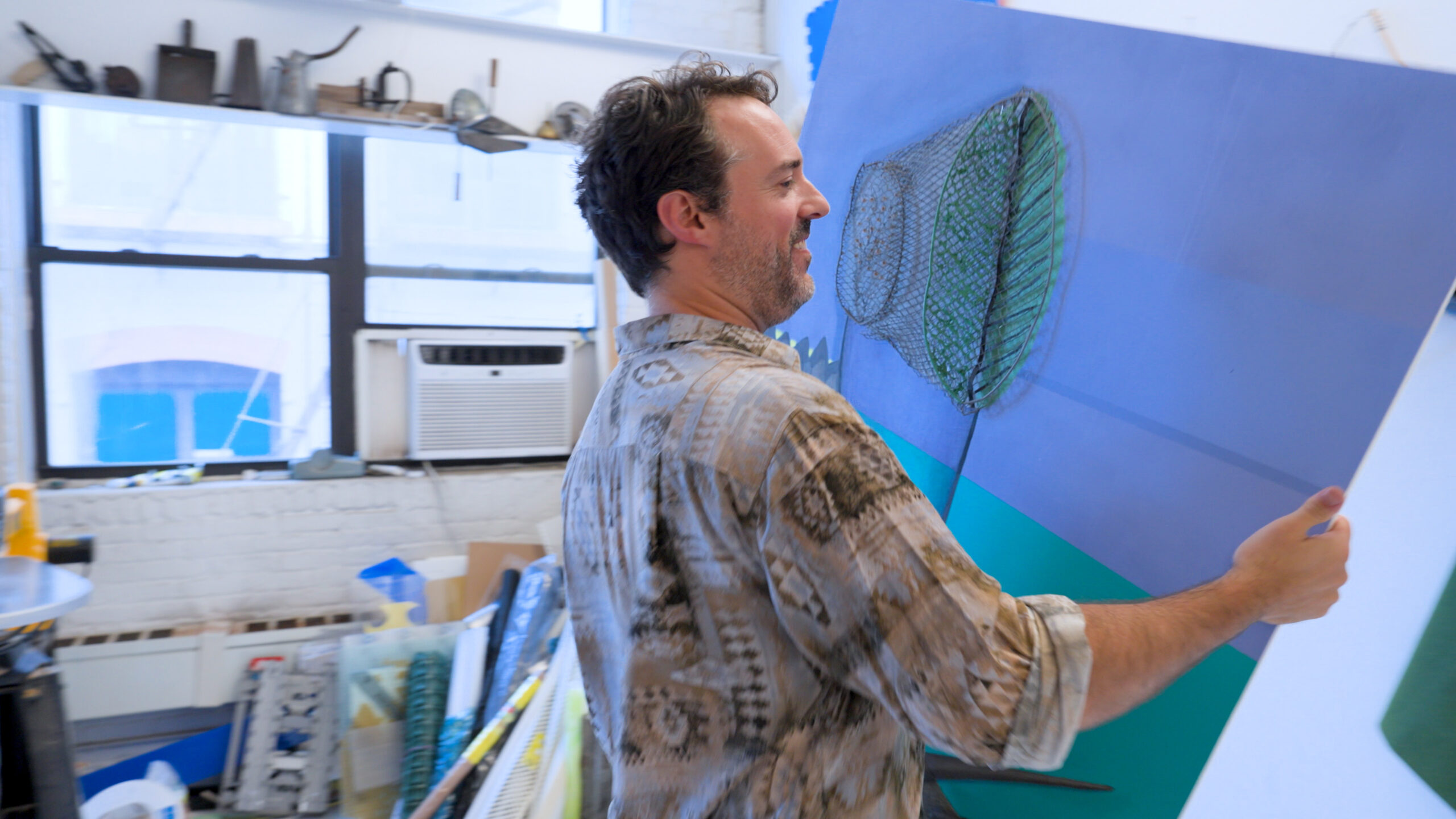
Andrew LaFarge Hamill
Andrew LaFarge Hamill describes himself as an artist and garden designer, but he is interested in what happens when they overlap, when sculpture begins to behave like a landscape, when a garden becomes a site for an artwork, or when a piece of discarded plastic becomes the starting point for an idea. His current practice
-
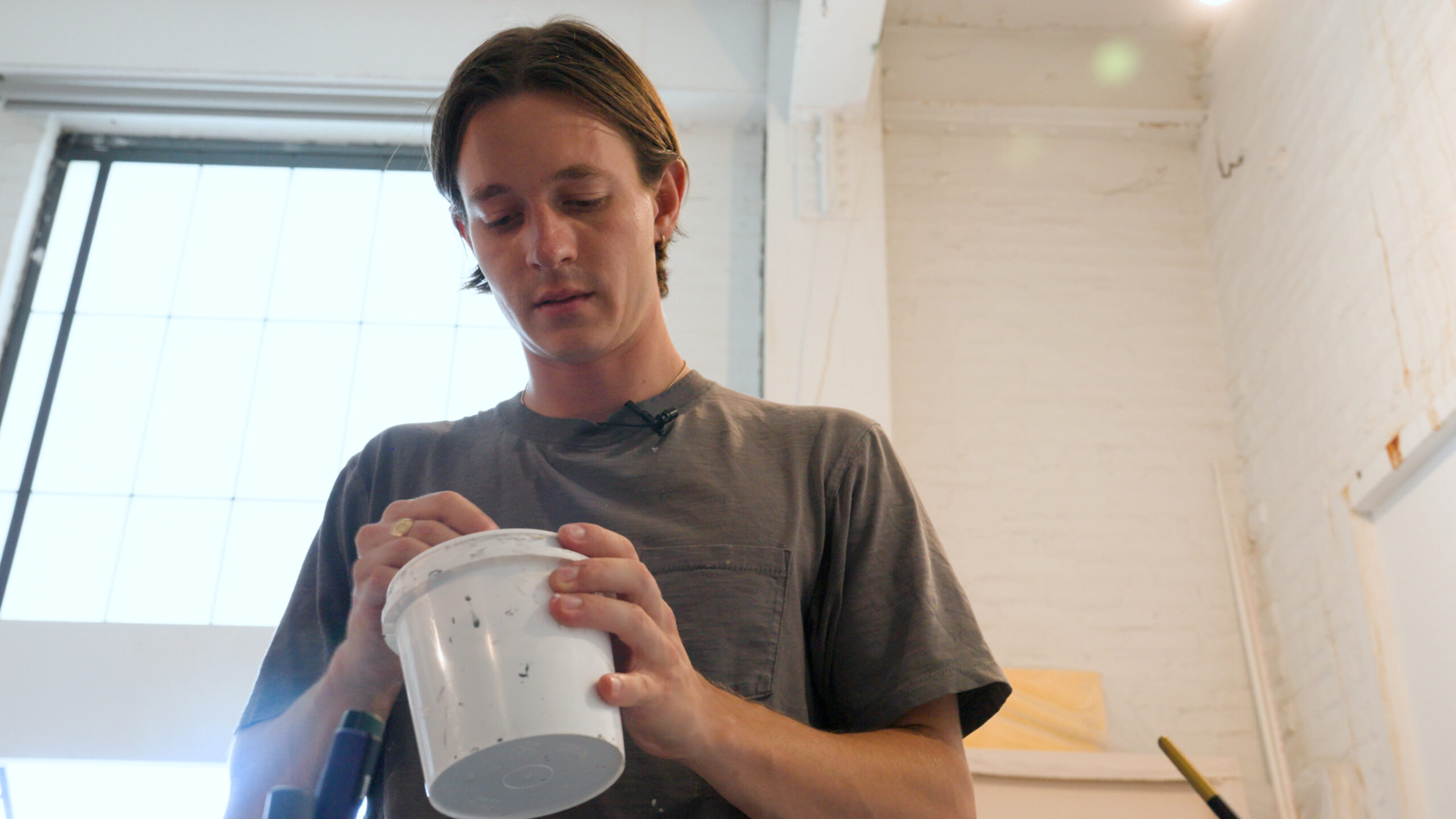
Felix Benton
Felix Benton grew up surrounded by people who made things. His grandmother was a glass artist, his mother was a chef and painter, and his father designs furniture, including the chair sitting in his studio during our conversation. For a while, that creative environment had the opposite effect one might expect. Benton was determined not
-
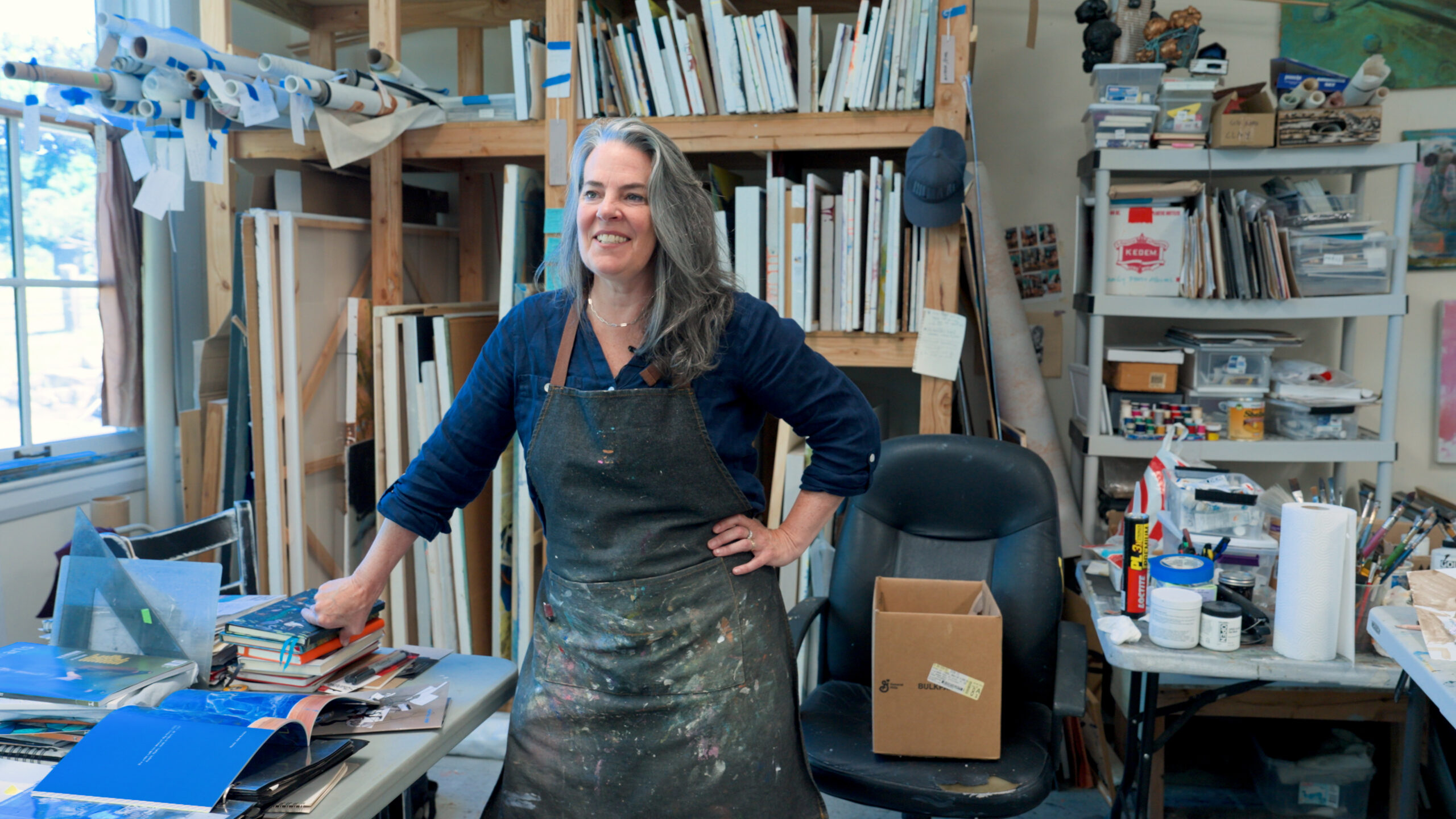
Jackie Reeves
Jackie Reeves grew up in Montreal in a family where making things was part of everyday life. Both of her parents were architects with seven children, art supplies were always within reach. Large sheets of paper covered the floor, her father drew and her mother built architectural models. Jackie learned by watching them, developing an
-
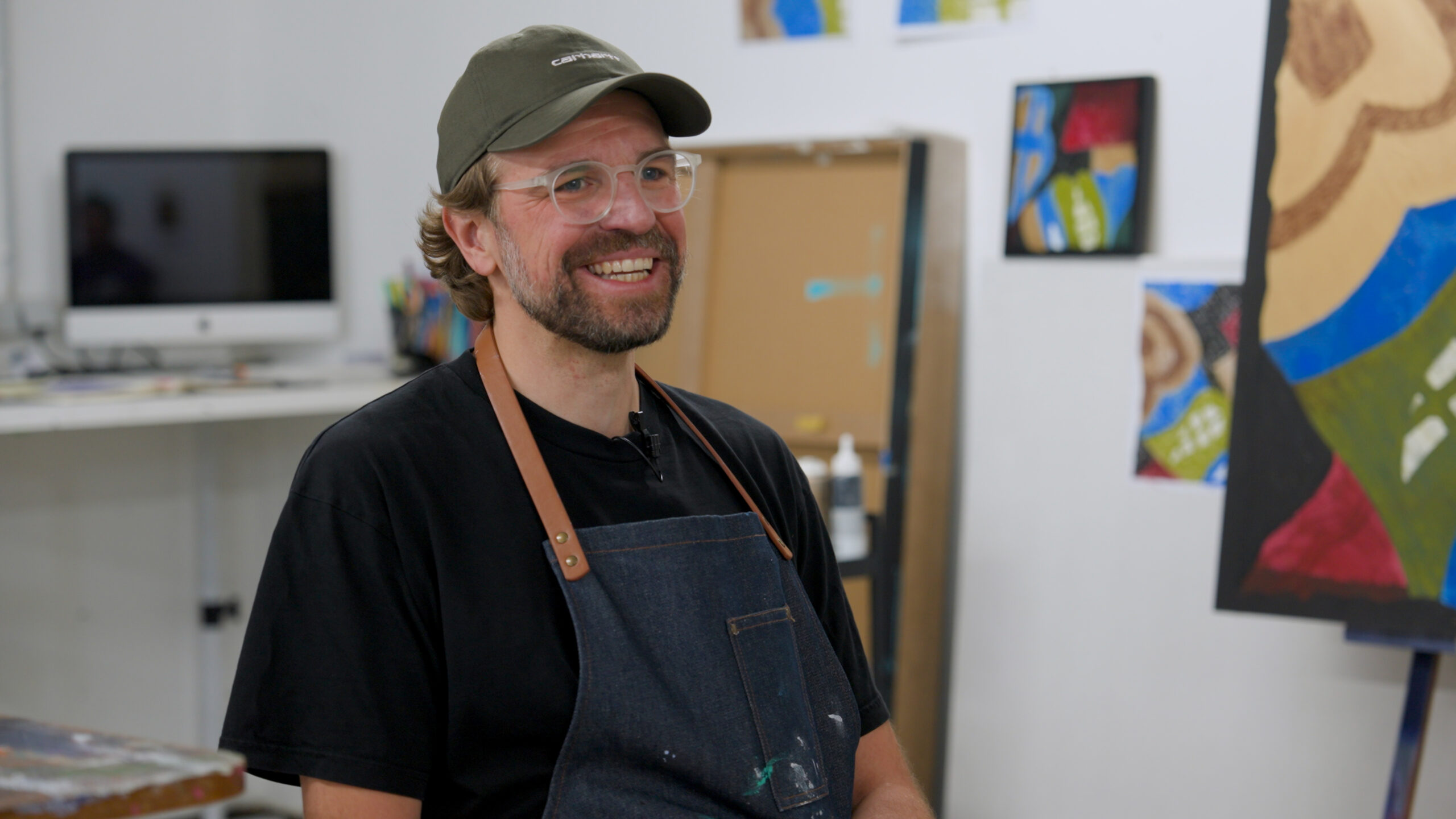
Stéphane Koyama-Meyer
French visual artist and designer based near Basel, Stéphane Koyama-Meyer grew up surrounded by art, with parents who regularly took him to museums when he was young and a father who painted and taught him to draw. He remembers being exposed to the work of major twentieth century artists from an early age, seeing enormous
-
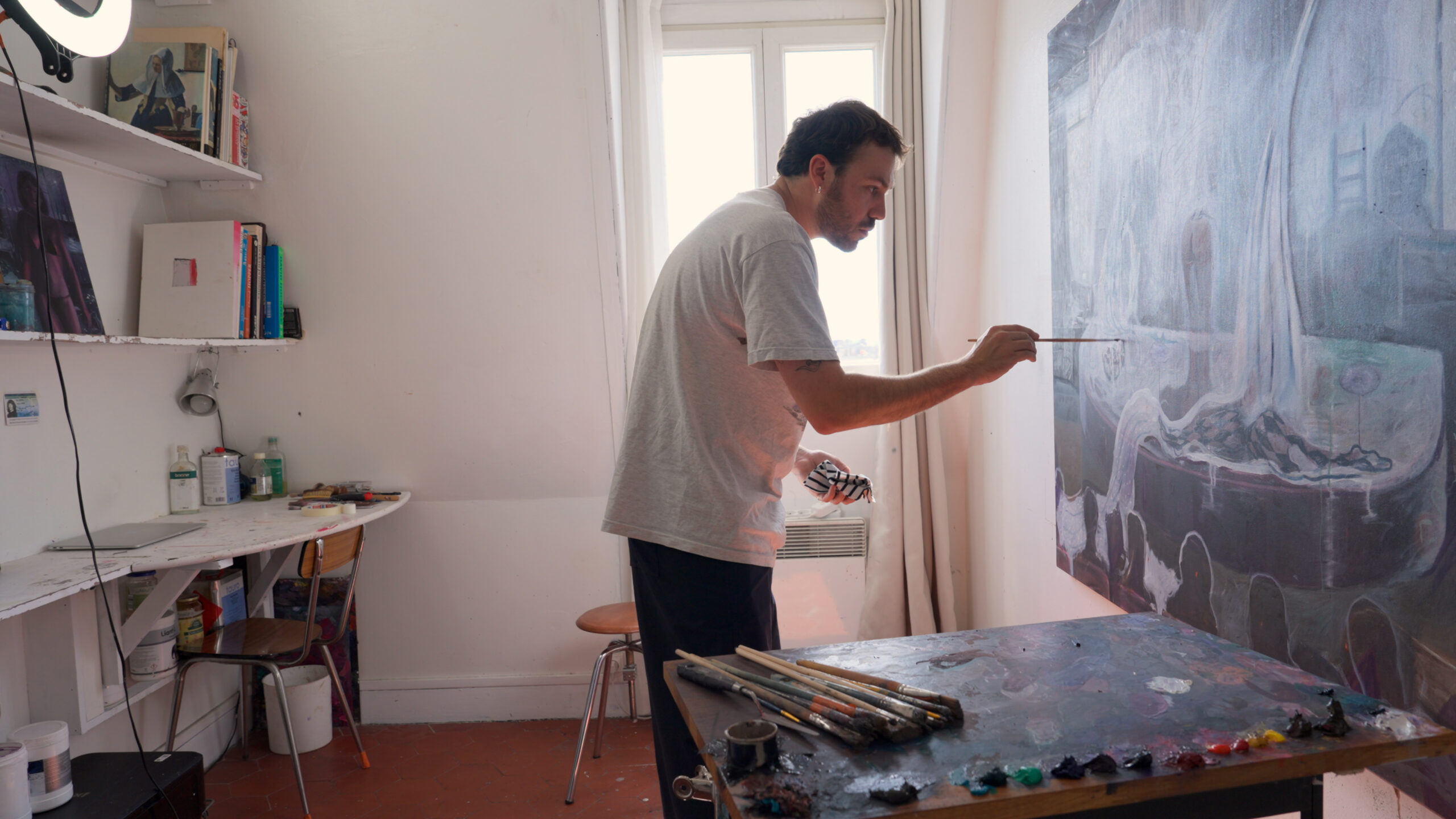
Yuval Bezalel
For Yuval Bezalel, painting begins with the hands, before there is a narrative, before there is a finished composition and sometimes before he even understands what he wants to say, there is simply the physical need to make something. He describes always having felt drawn to working with his hands, whether cooking, drawing or painting,
-
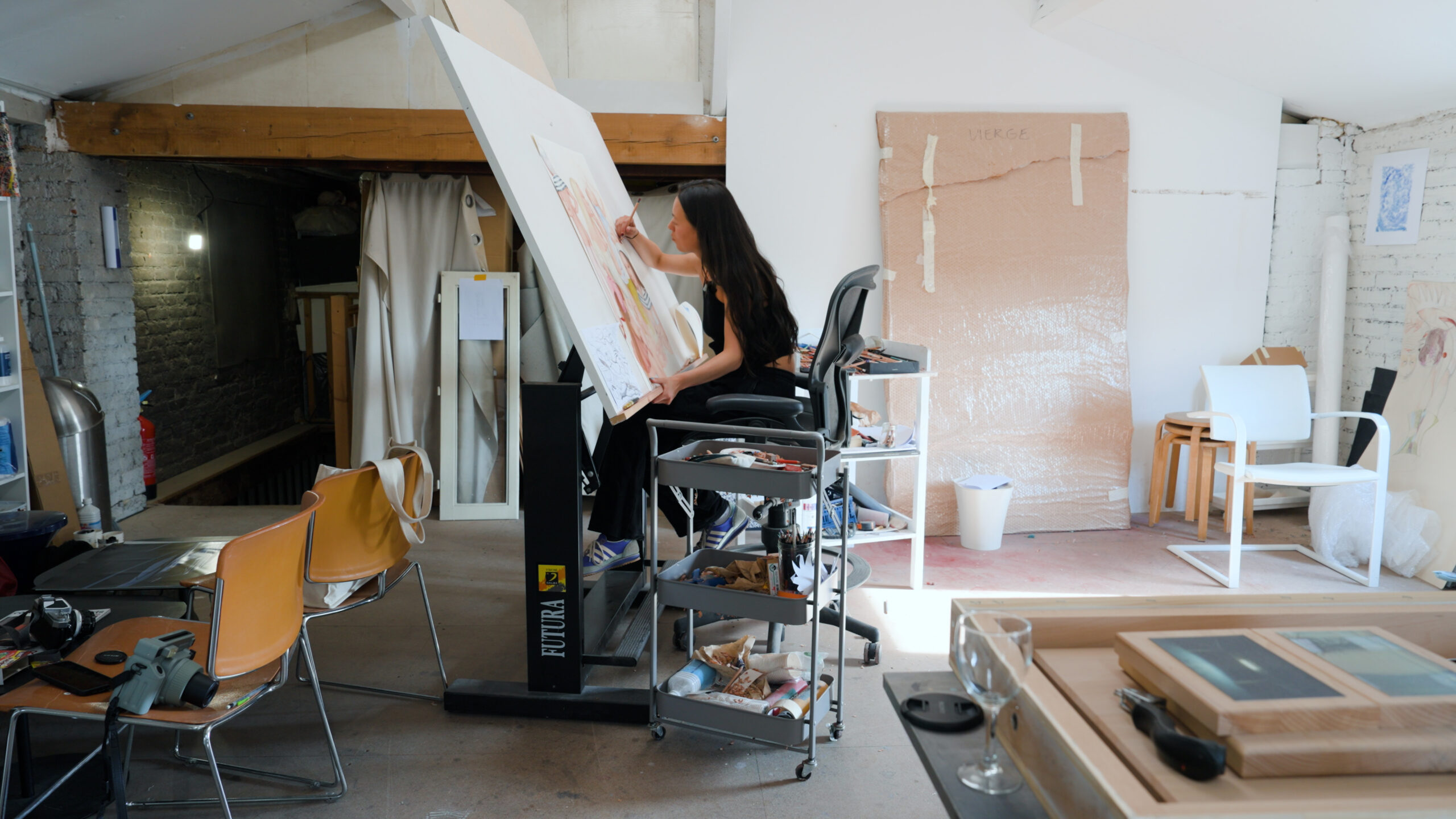
Adèle Aproh
For Adèle Aproh, drawing began long before she knew it could become a career. Her first real memory of making art goes back to primary school, when a classmate showed her how to draw a parrot by connecting dots in a particular order. She remembers being amazed that something as simple as following a sequence
-
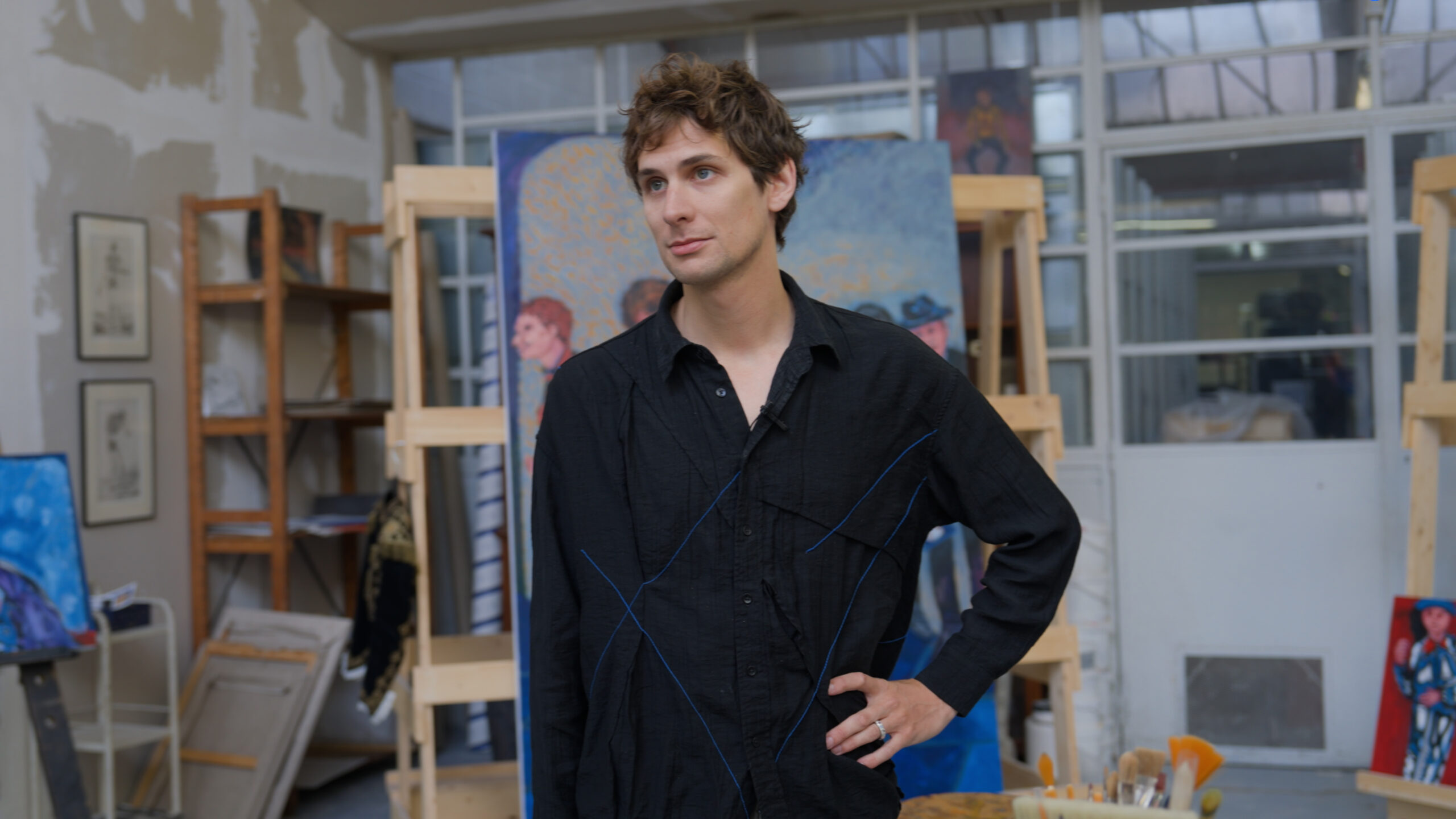
Félix Deschamps Mak
Félix Deschamps Mak is a French painter based in Paris, working in large scale figurative compositions that draw from an unusually wide net of sources: photographic archives, opera, cinema, literature, street observation, found objects. His paintings tend to gather soldiers, boxers, matadors, children, animals, and unnamed figures into the same ambiguous space, staged with the
-
Katya Quel
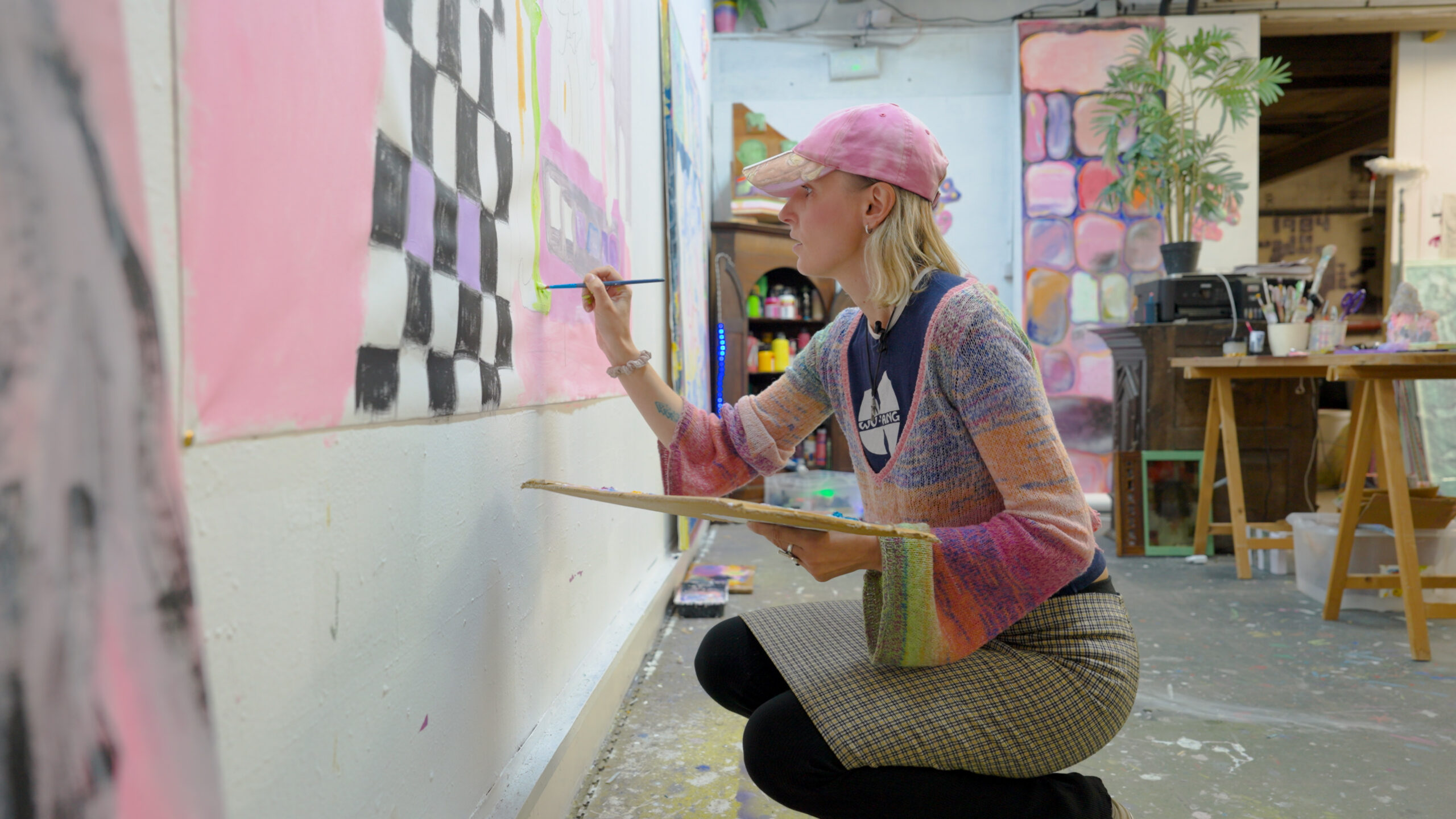
Katya Quel is an artist and multidisciplinary creator, born and raised in Moscow, who now lives and works in Paris after roughly a decade based in Germany. Working across painting, sculpture, and installation, she builds elaborate fictional worlds populated by trolls, elves, witches, castles, and imagined creatures, a body of work she describes, without much
-
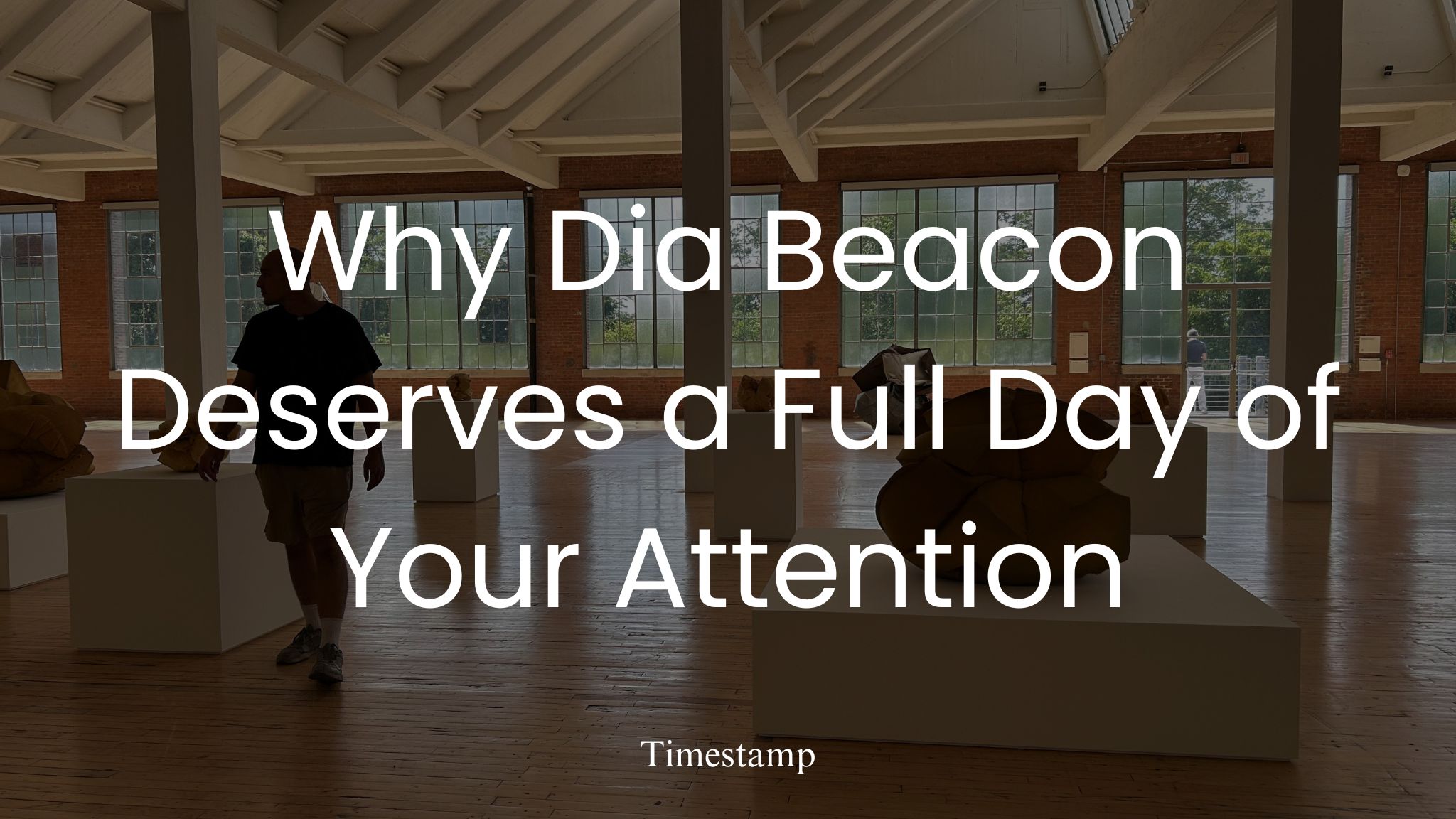
Why Dia Beacon Deserves a Full Day of Your Attention
There are museums you visit to check a box. And there are museums that quietly rearrange how you look at everything for the rest of the week, this is Dia Beacon. An hour north of Manhattan, on the banks of the Hudson River, sits a museum that most New Yorkers have heard of but far
-
Carlo D’Anselmi
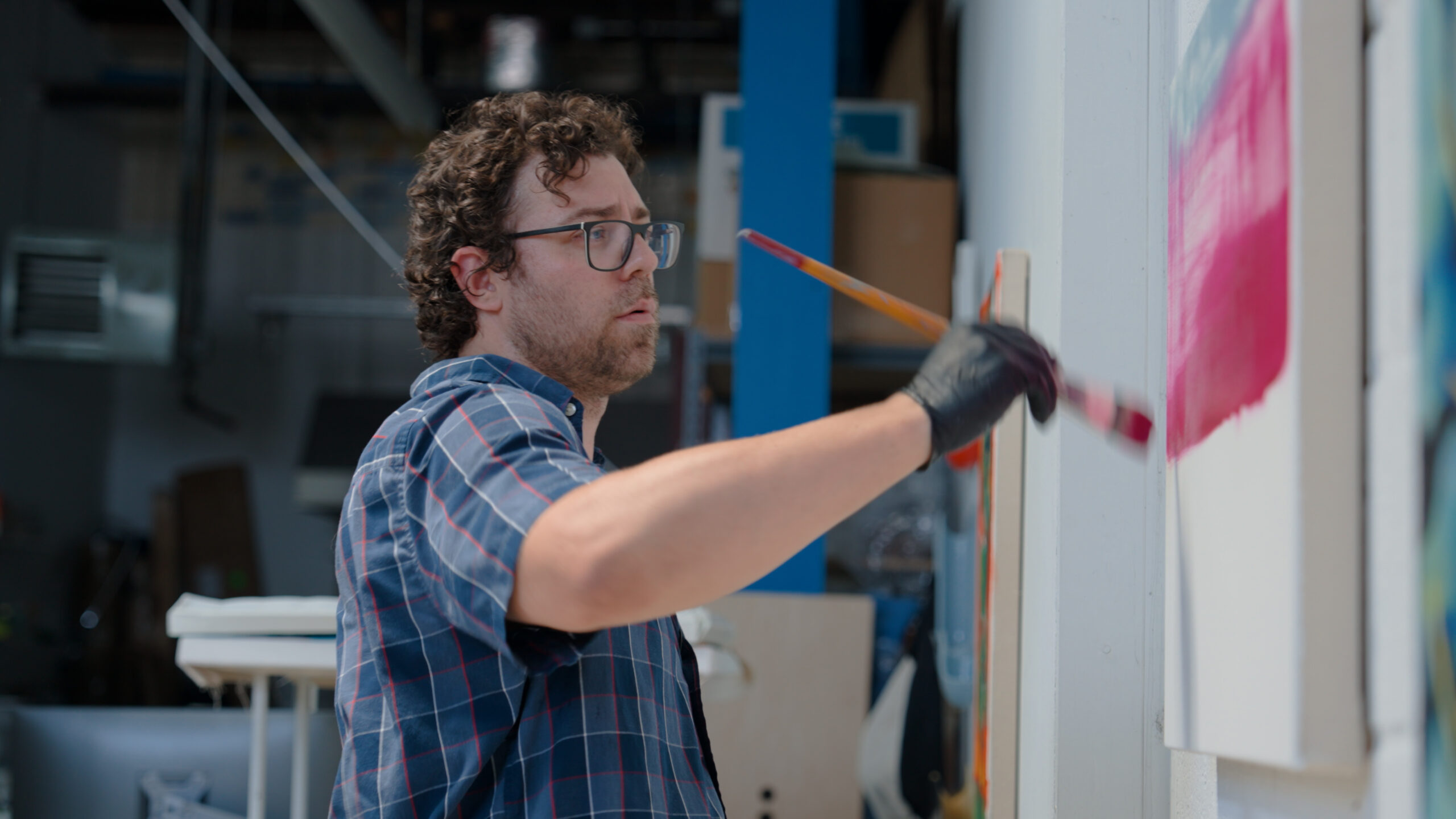
Carlo D’Anselmi is a painter based in New York whose work builds believable colorful worlds on canvas, pictorial spaces with their own internal logic, where objects, figures, and symbols sit in relationships that are meant to surprise the viewer rather than settle into a single, closed meaning. He works primarily in oil painting, though largely
-
Valeriia Vertii
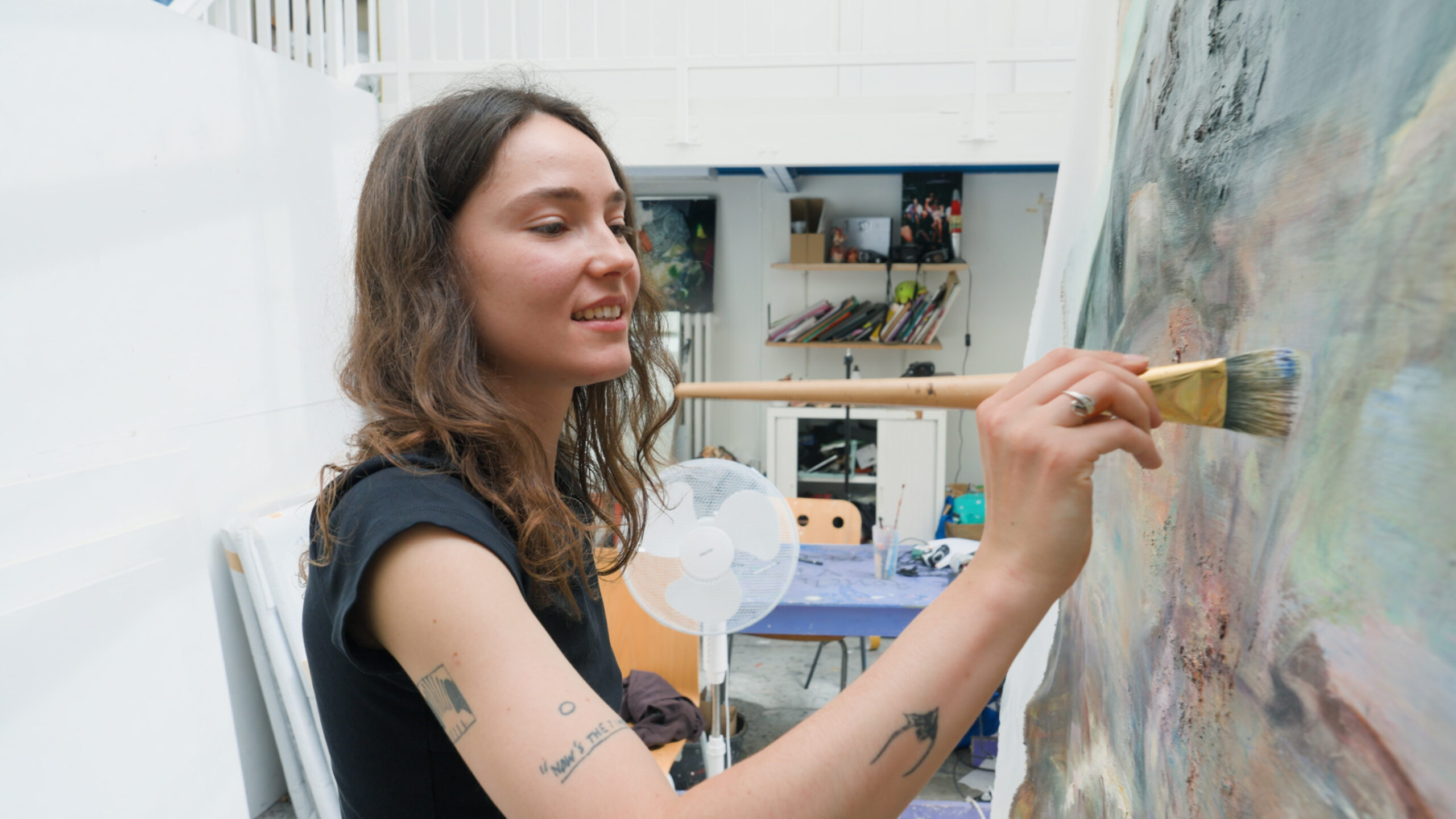
Valeria Vertii is a Ukrainian-born artist based in Paris who works across painting, drawing, metalwork, ceramics, and glass, moving so fluidly between mediums that she has trouble listing them all without leaving something out. She trained first as a painter and has spent the last several years pulling that foundation toward sculpture and installation, driven
-
Leo Chesneau
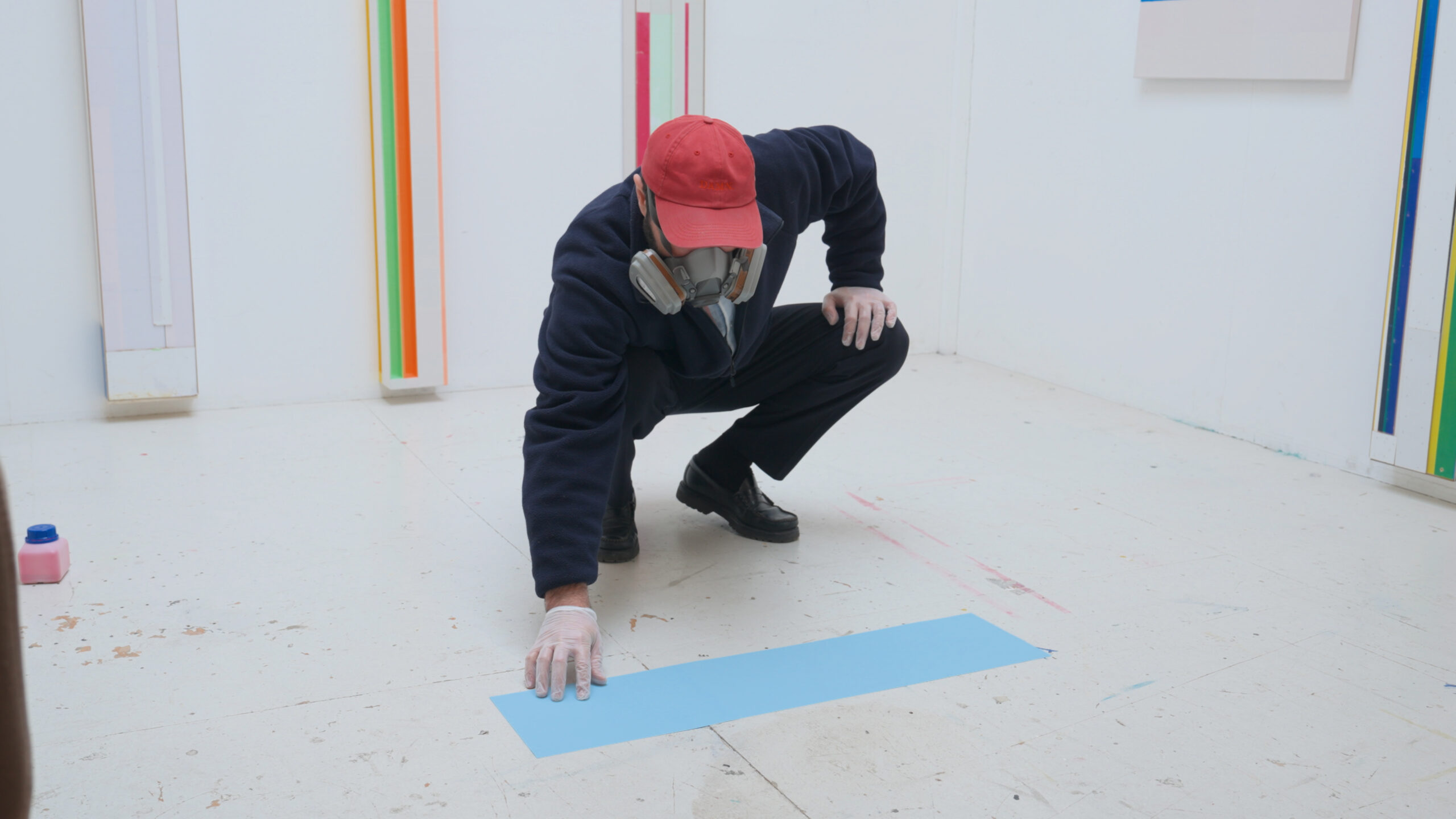
Some artists search for inspiration in distant landscapes, history books, or moments of profound personal revelation. Leo Chesneau finds it in an A4 sheet of paper, a toner cartridge, a Post-it note, or the standardized dimensions of a hollow-core door. At first glance, these objects feel almost invisible. They belong to offices, classrooms, construction sites,
-
Why Fondation Beyeler Belongs on Every Art Lover’s Bucket List
There are museums you visit because they’re famous. Then there are museums you visit because you feel called to them. During our time in Switzerland, one destination sat at the very top of our list: Fondation Beyeler. We had heard countless artists, curators, and collectors speak about it over the years, but nothing could have
-
Austin Lee
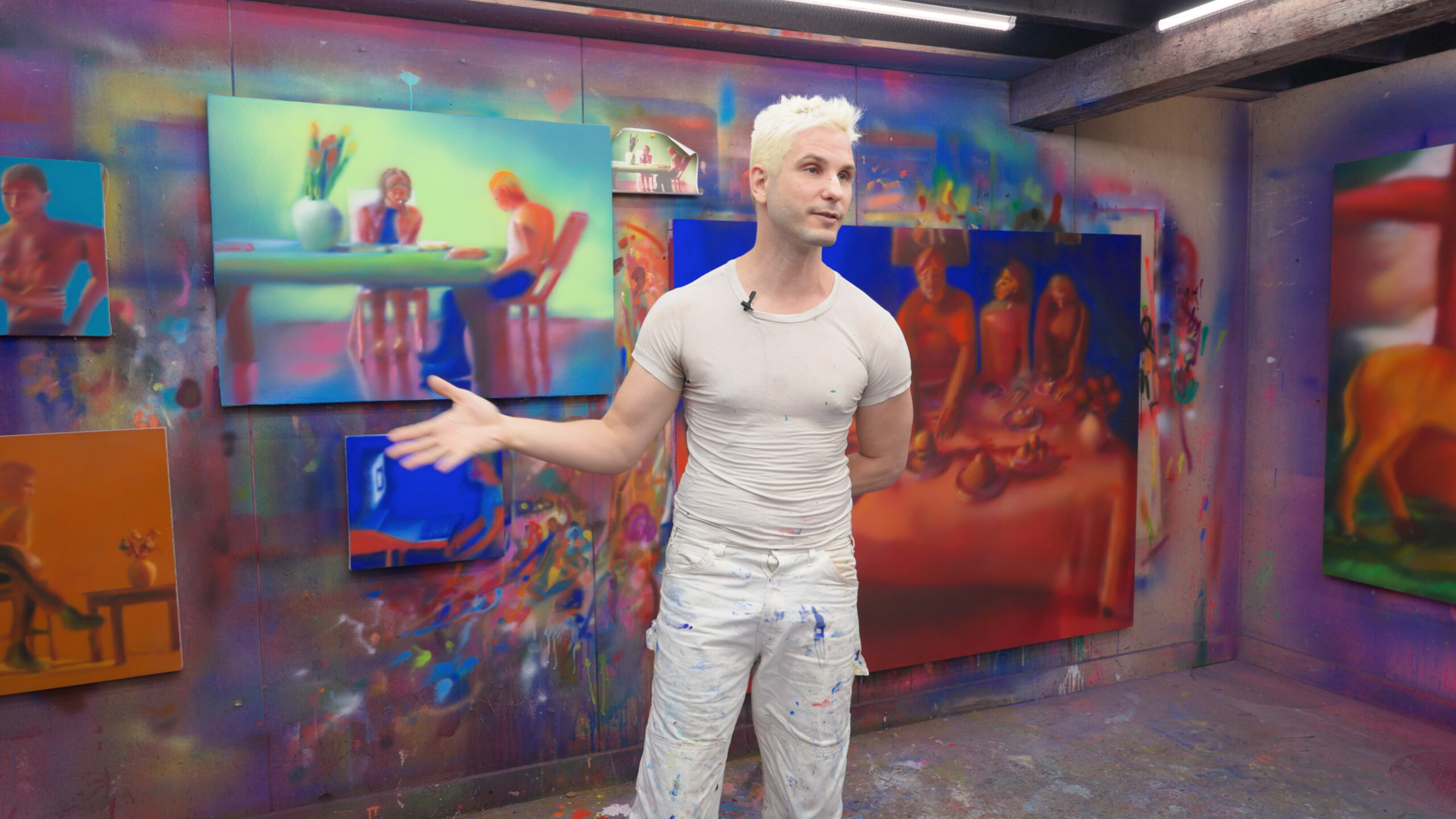
From digital worlds to airbrushed paintings, Austin Lee explains why the future of art isn’t about technology, it’s about connection. Sitting in his Brooklyn studio surrounded by luminous canvases, airbrushes, sculptures, and computer screens, Austin Lee doesn’t describe art as a profession or even a practice. Instead, he describes it as a way of existing
-
Mafalda d’Oliveira Martins
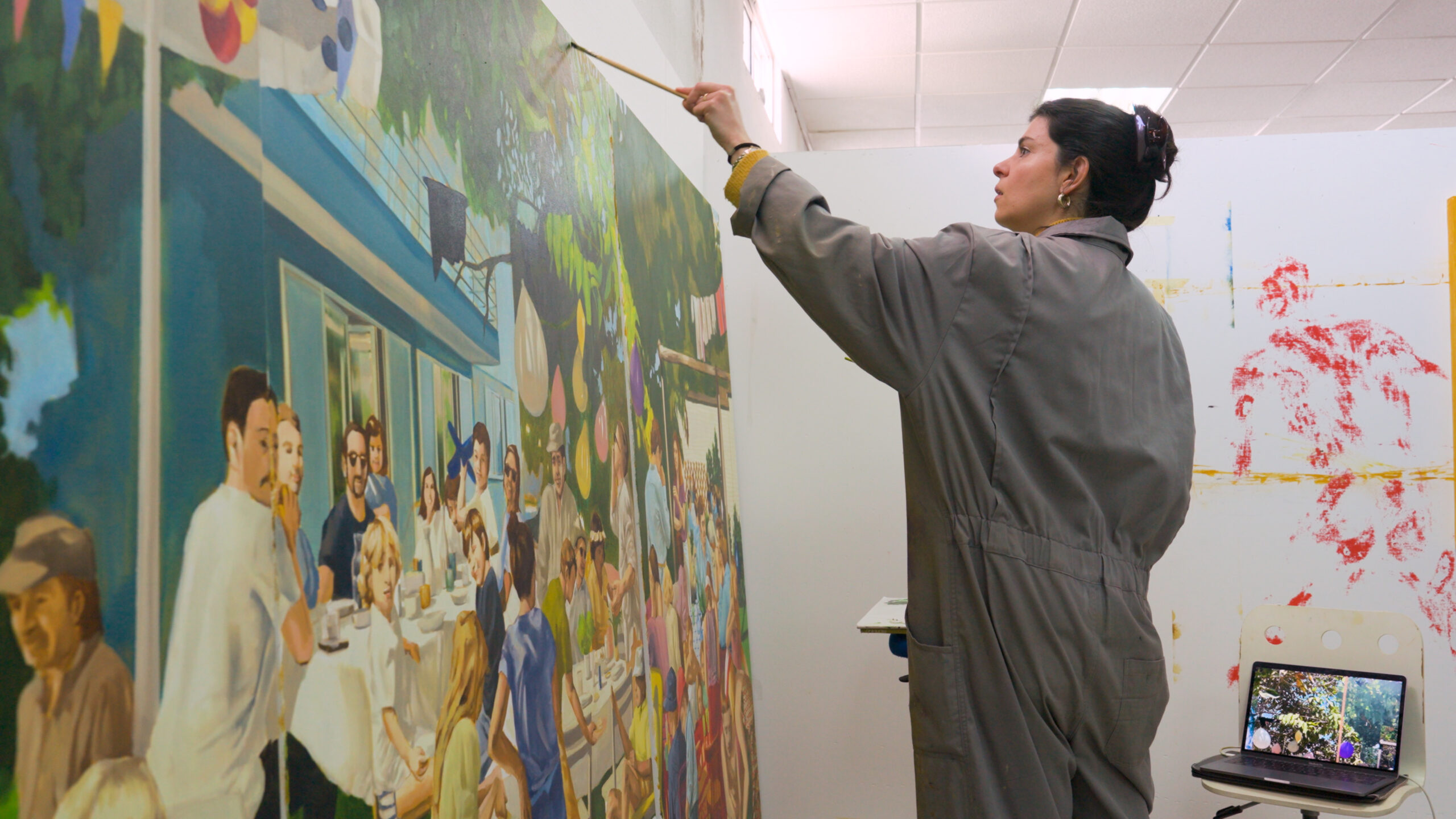
For Portuguese painter Mafalda d’Oliveira Martins, painting is a way of understanding people. Working primarily in oil, Mafalda creates figurative paintings that explore memory, vulnerability, relationships, and the quiet moments that often pass unnoticed. While her paintings frequently begin with ordinary scenes or familiar faces, they become much more than records of reality. They are
-
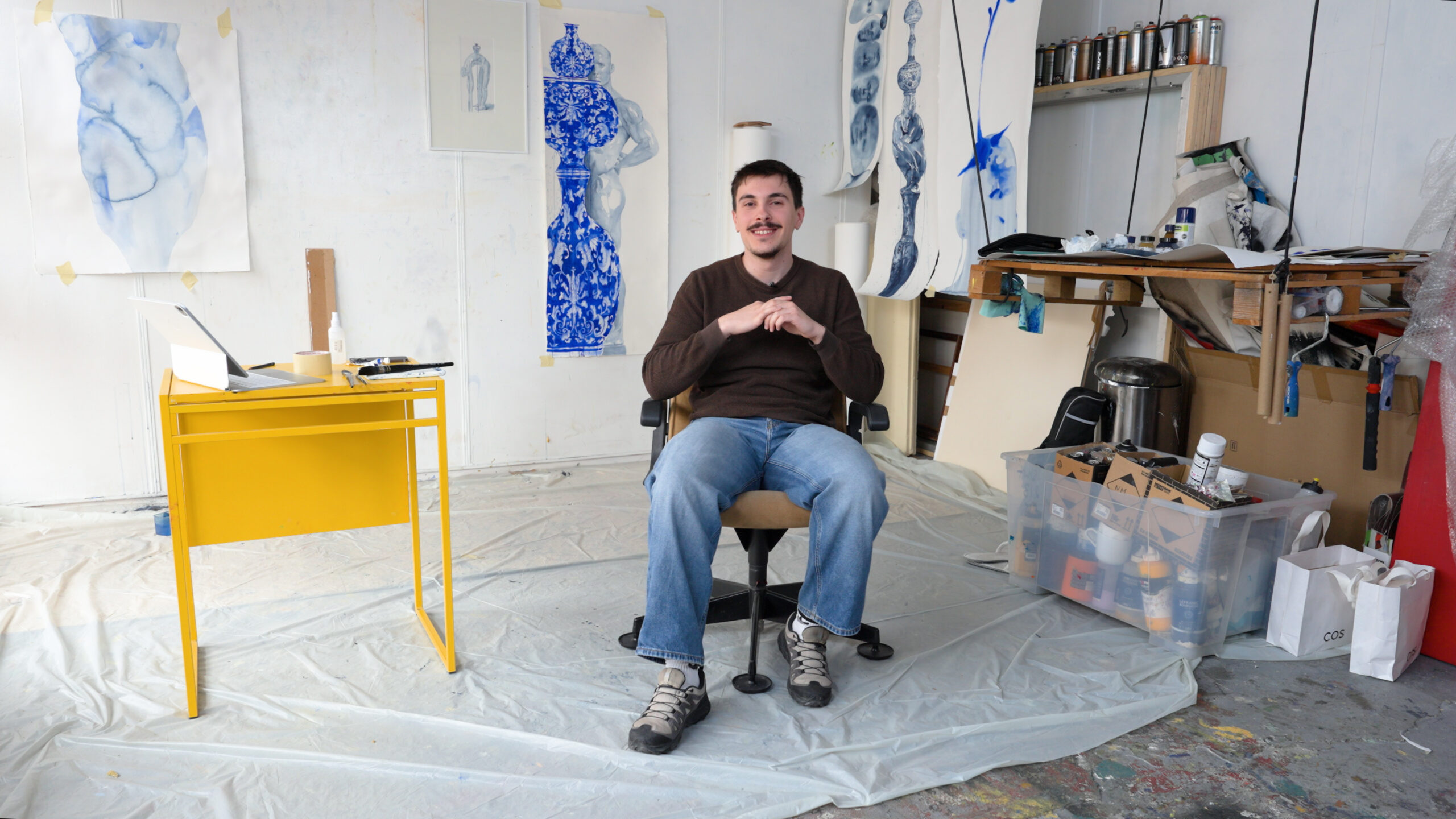
Dominik Gegaj
Dominik Gegaj is a contemporary watercolor artist based in Paris whose work explores themes of identity, memory, love, isolation, belonging, and personal transformation. Born and raised in Austria to immigrant parents from Kosovo and Albania, Gegaj has developed a distinctive visual language built around indigo and ultramarine watercolor paintings that balance emotional vulnerability with technical
-
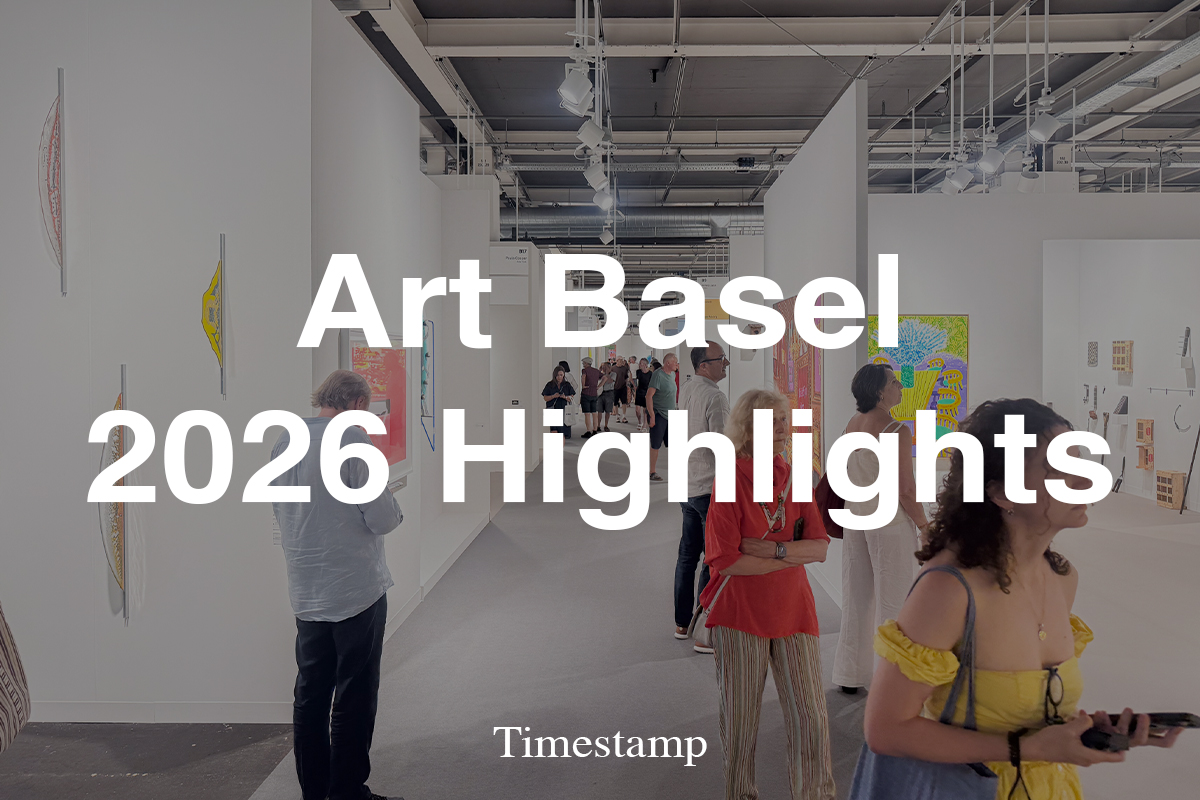
Art Basel 2026 Highlights | Basel, Switzerland
Our Favorite Works from Art Basel Basel 2026 Every June, Art Basel transforms Basel, Switzerland into the center of the contemporary art world. Bringing together hundreds of galleries and thousands of artists from around the globe, the fair offers an unparalleled look at where contemporary art is today and where it may be headed next.
-
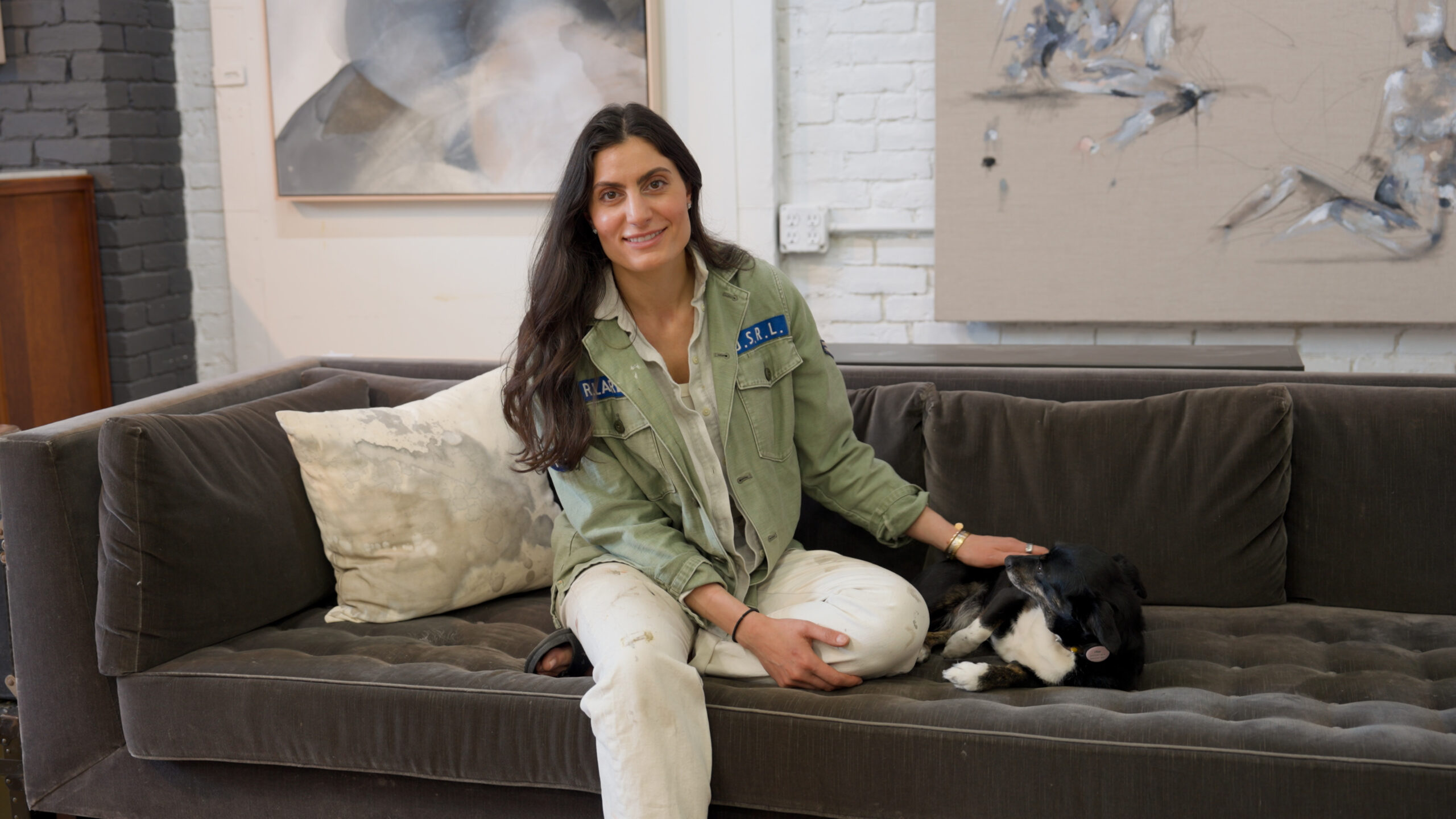
Brittney Ciccone
Rather than beginning with a rigid plan or predetermined outcome, Brittney Ciccone enters the studio with curiosity, allowing the work to reveal itself through experimentation, intuition, and process. The paintings that emerge are often the result of unexpected discoveries, accidents, and moments that could never have been planned in advance. That willingness to embrace uncertainty
-
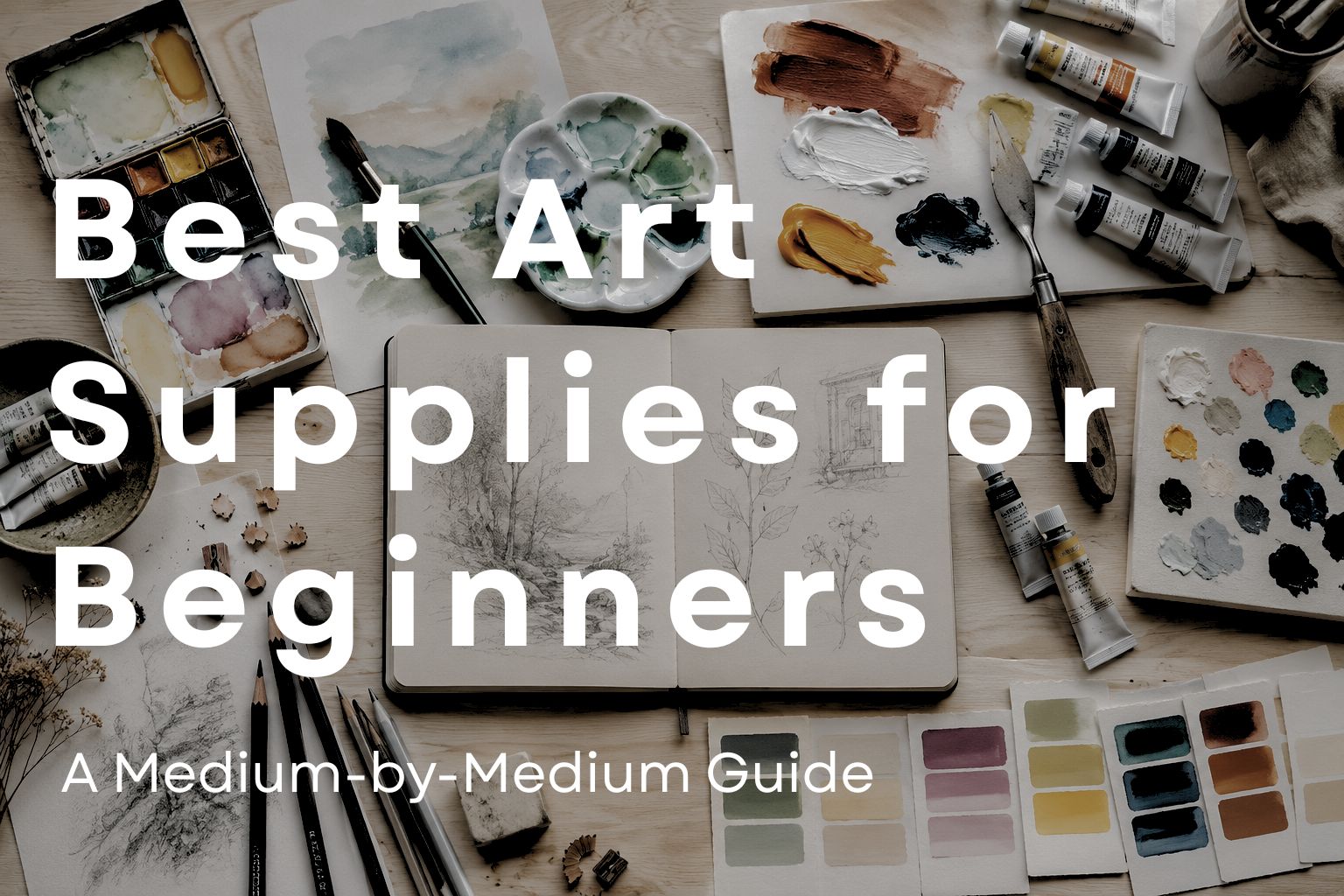
Best Art Supplies for Beginners: A Medium-by-Medium Guide (2026)
Photo by Timestamp of Zuriel Water’s studio One of the rights of passage of being an artist is walking into an art supply store for the first time with excitement and complete overwhelm at the same time. The shelves are full of products that look identical until you try them, and the price range makes
-
Vinny Olimpio
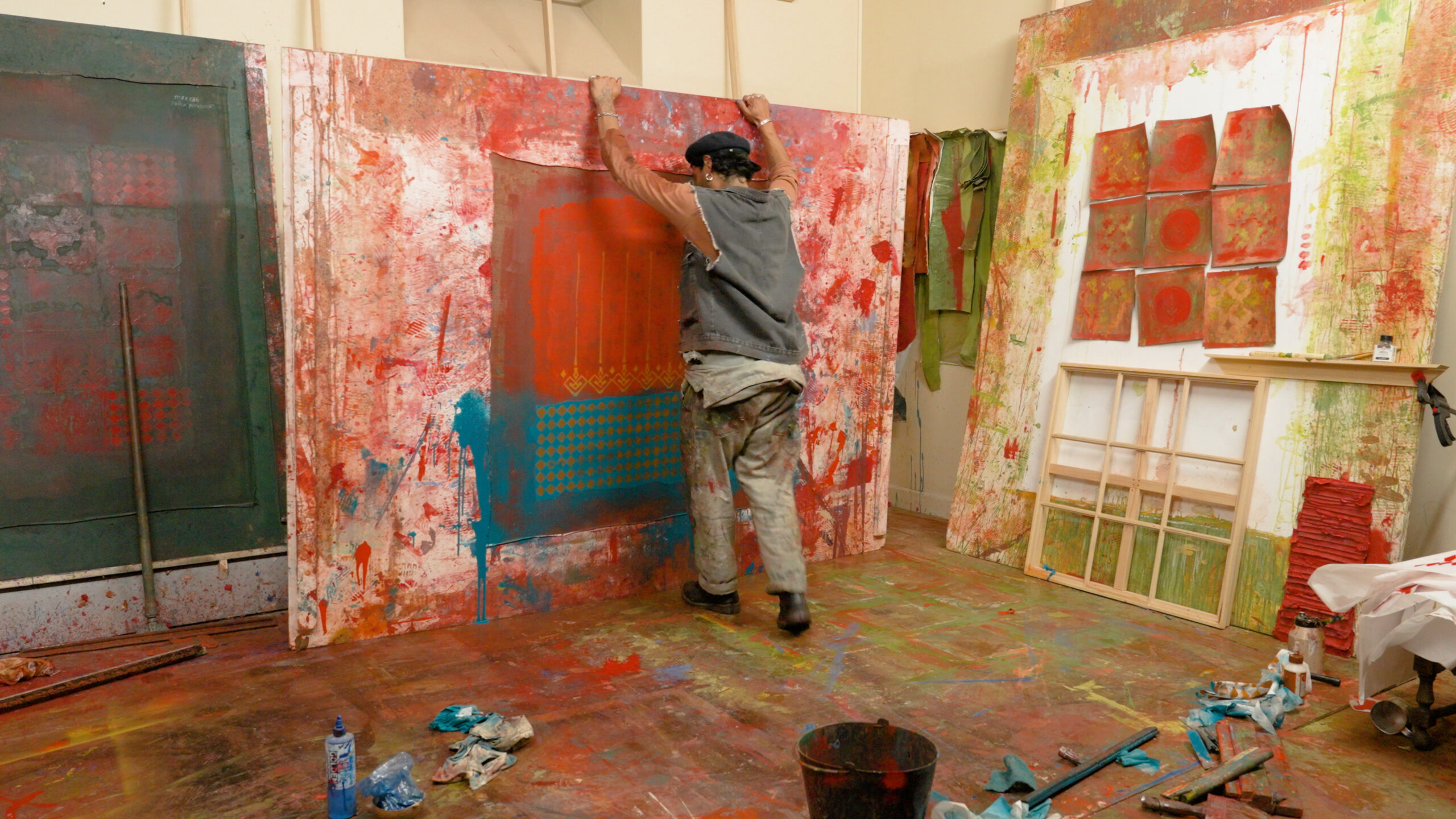
A blank canvas can be an intimidating thing. For some artists, it represents possibility. For others, pressure. For Vinny Olimpio, it’s an invitation to step into a conversation that has no clear beginning and no definitive end. “I don’t think you’re ever going to stop telling stories until you stop breathing,” he says. “Creating art
-
Thomas Szott
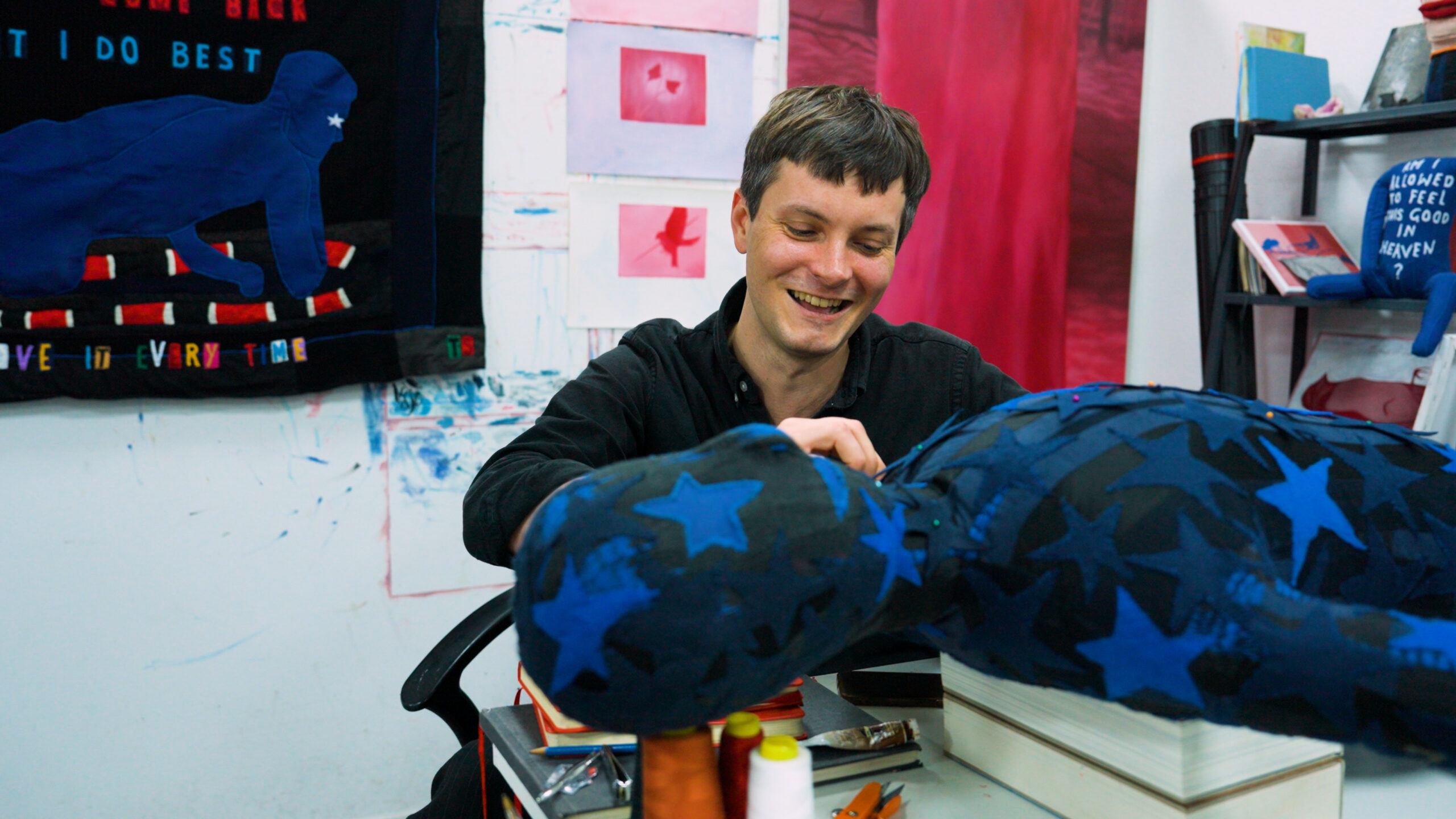
For Brazilian artist Thomas Szott, art begins with something deeply personal. His paintings, textiles, sculptures, and drawings emerge from memories, emotions, relationships, and the quiet process of understanding how those experiences shape a life. Yet while his work originates from autobiography, Szott is less interested in documenting events than transforming them into symbols, atmospheres, and
-
Su Su
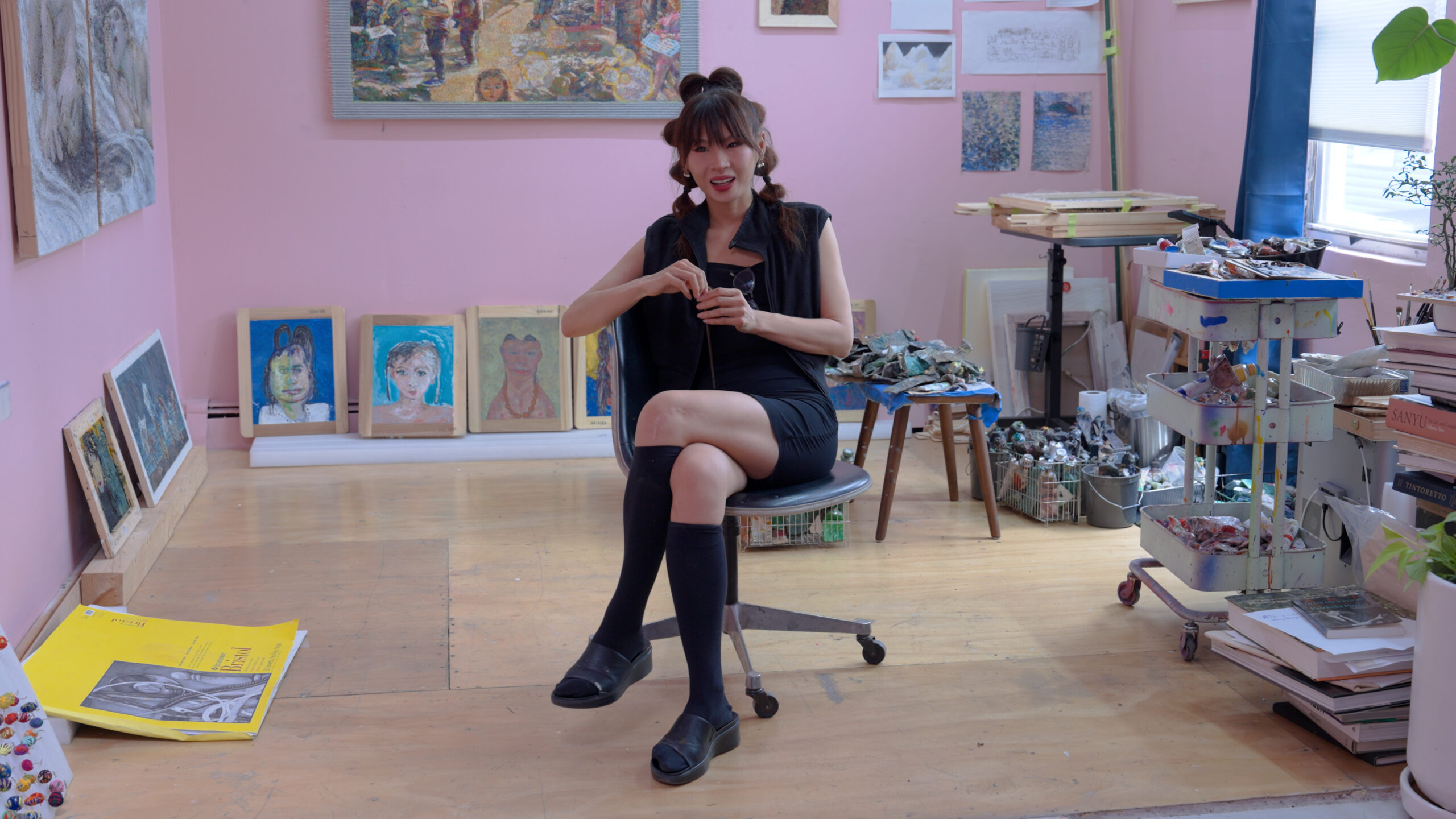
For many artists, inspiration arrives through grand ideas, dramatic experiences, or carefully planned concepts. For painter Su Su, inspiration often begins somewhere much quieter: a bowl of rice, a family story, a childhood memory, or the way a city reveals itself over time. In a conversation with Timestamp, Su Su reflected on the experiences that
-
Pietro Cavalcanti
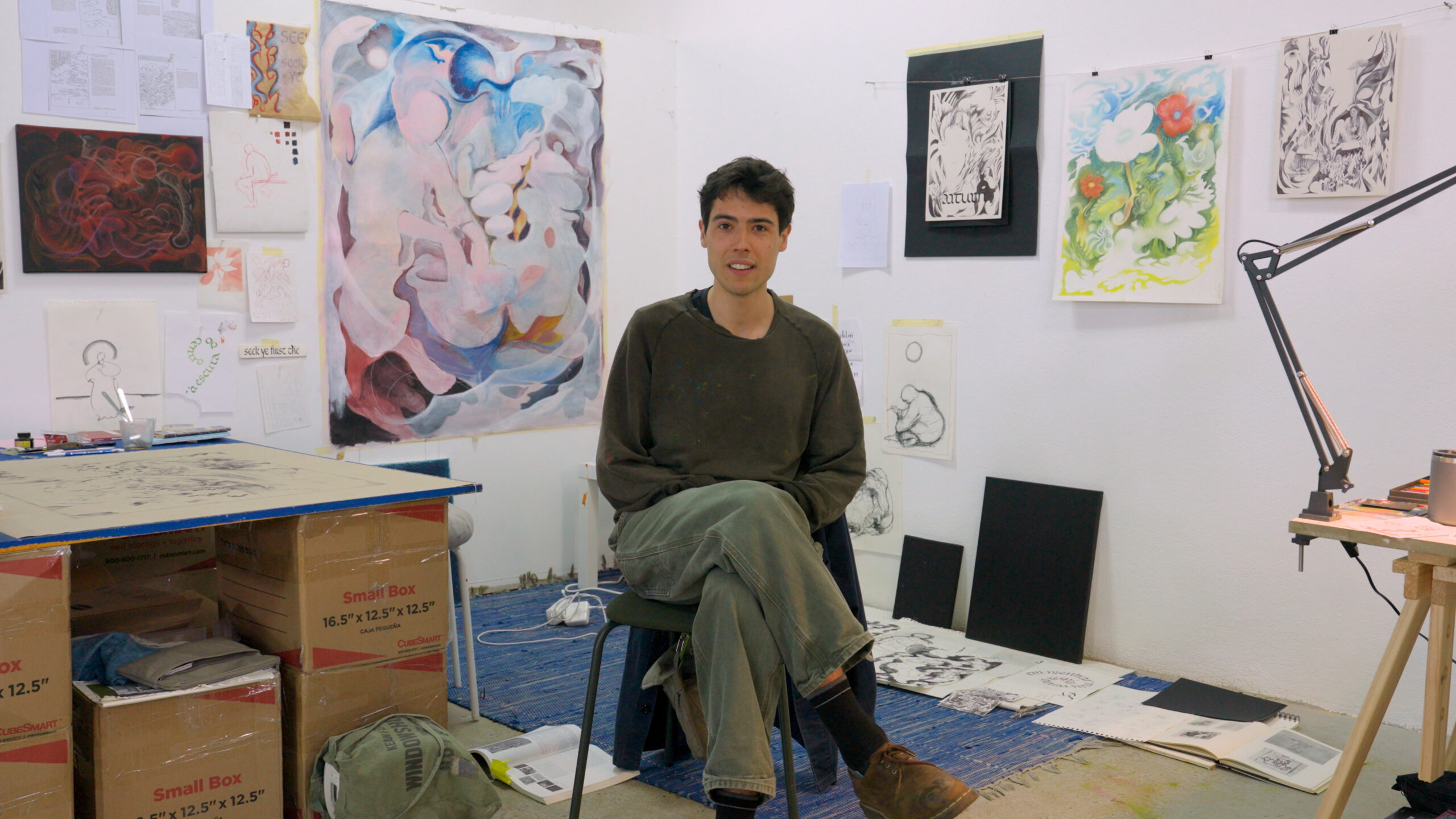
Born in Brazil and now living in Portugal, Pietro Cavalcanti describes his practice as a form of attention. A drawer, researcher, teacher, and lifelong observer, he approaches art as a way of tuning into rhythms that already exist within us. His drawings, calligraphic forms, and organic figures emerge not from rigid planning but from a
-
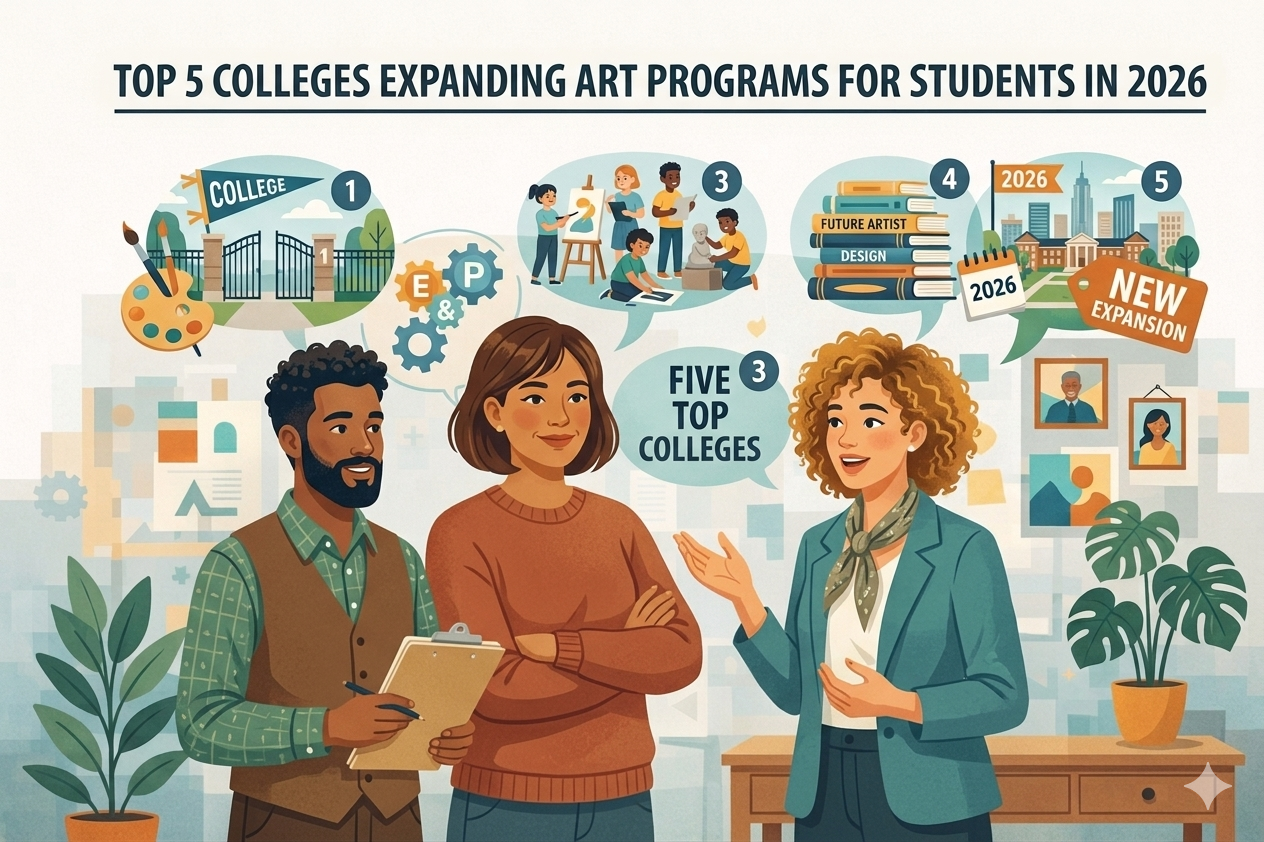
Top 5 Colleges Expanding Art Programs for Students in 2026
As artificial intelligence reshapes industries and automation absorbs repetitive work, creativity has become one of the few skills machines still struggle to replicate authentically. Colleges across the United States are responding by expanding art programs, investing in interdisciplinary creative spaces, and encouraging students to combine artistic talent with entrepreneurship, technology, and innovation. Rhode Island School
-
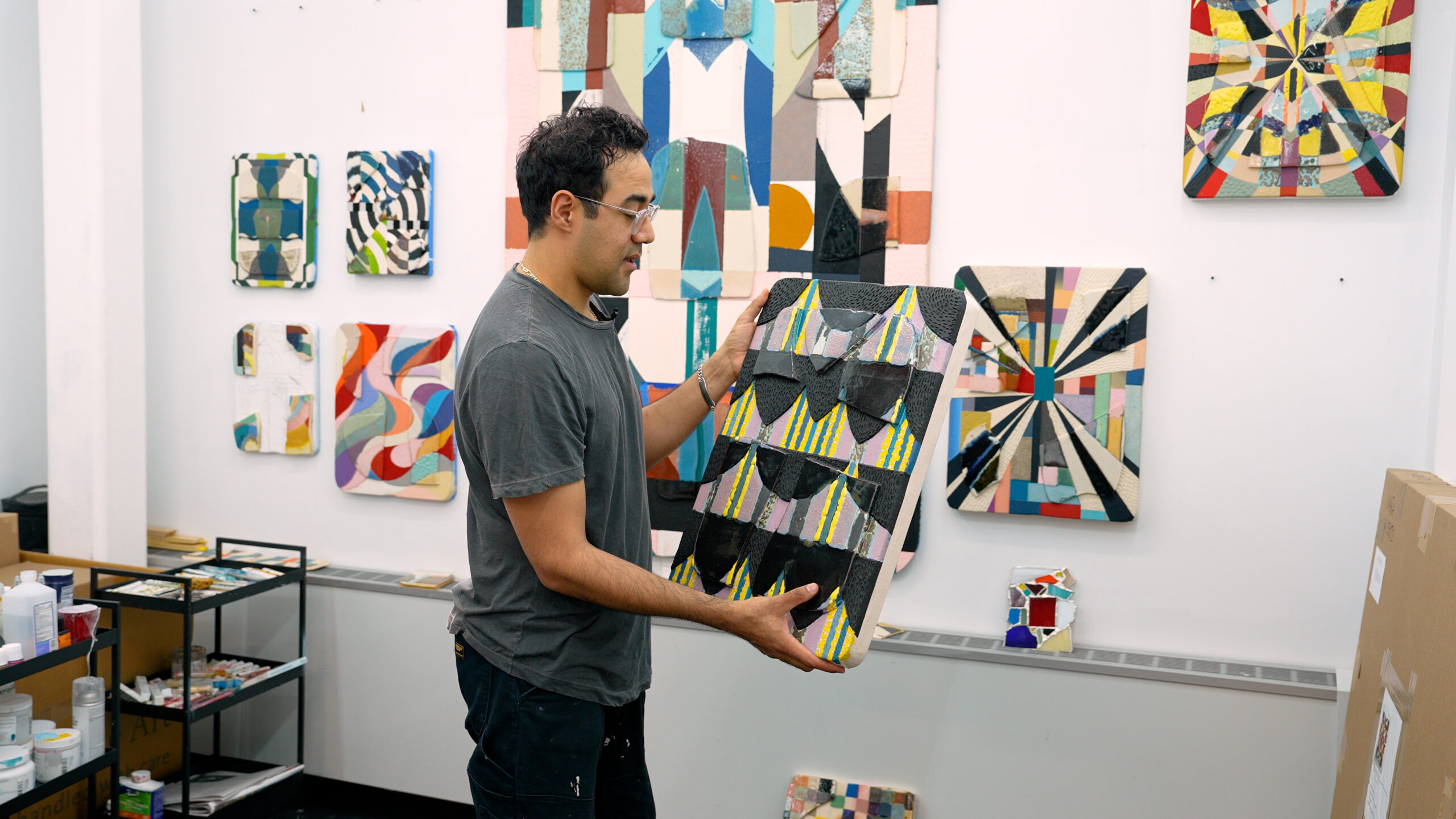
Kevin Umaña
Kevin Umaña did not plan on becoming the artist he is today. His path moved through architecture school, printmaking, photography, graffiti, ceramics, construction jobs, and years of uncertainty before arriving at the hybrid ceramic paintings he is now known for. For Umaña, the work developed less from a single vision and more from persistence, experimentation,
-
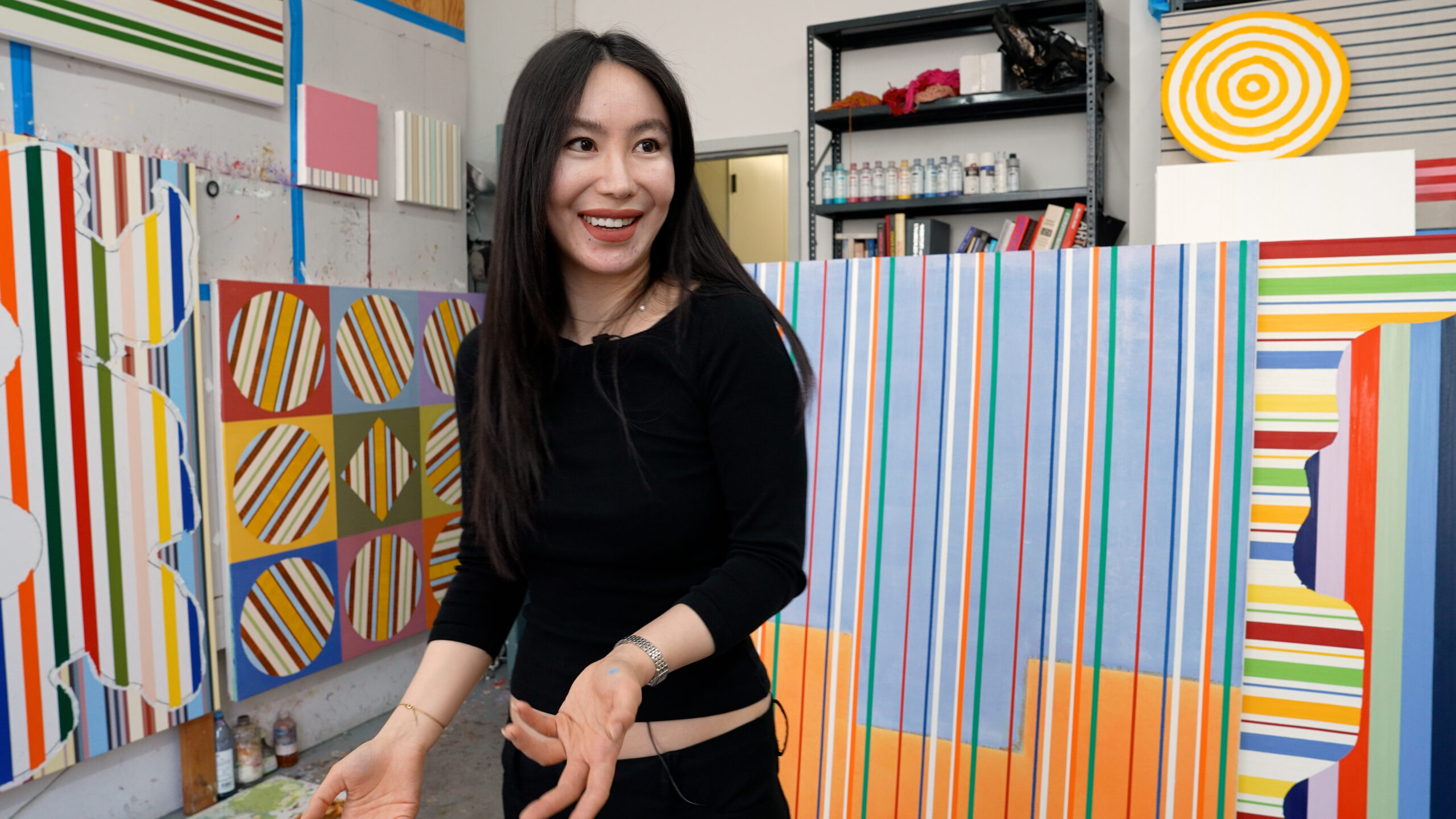
Shuyao Huang
Born in China and now based in New York City, Shuyao Huang approaches painting less as a pursuit of outcomes and more as a daily necessity. What began as an ambition to study fashion design shifted after arriving in New York, where teachers encouraged her toward fine art. At Pratt Institute, Huang developed both a
-
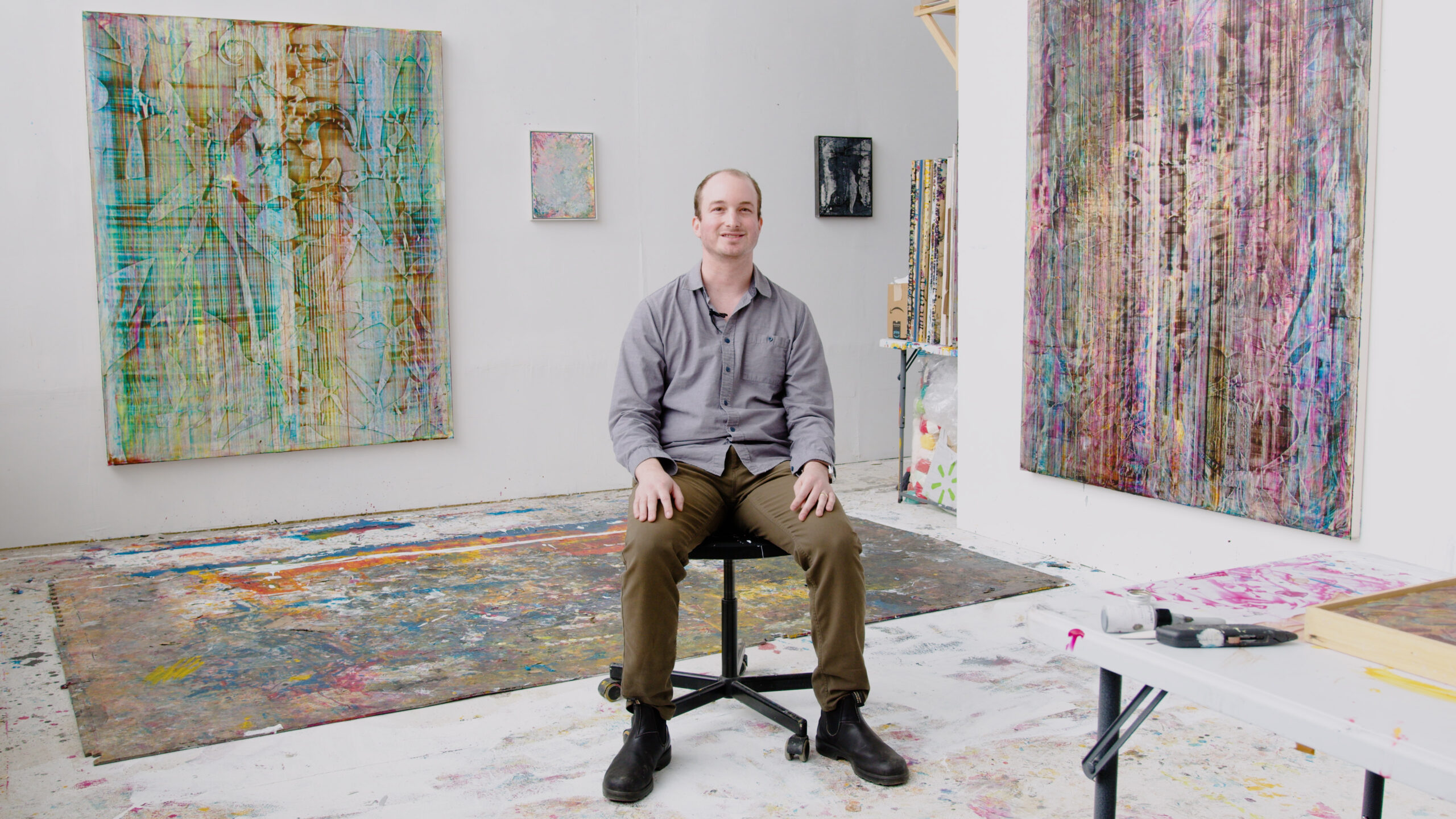
Mason Dowling
Mason Dowling approaches painting like a risk. Not in theory, but in practice, where each move has the potential to undo everything that came before it. There is no fixed image he is working toward, no clean endpoint. The work is built through a series of decisions that could just as easily collapse the painting
-
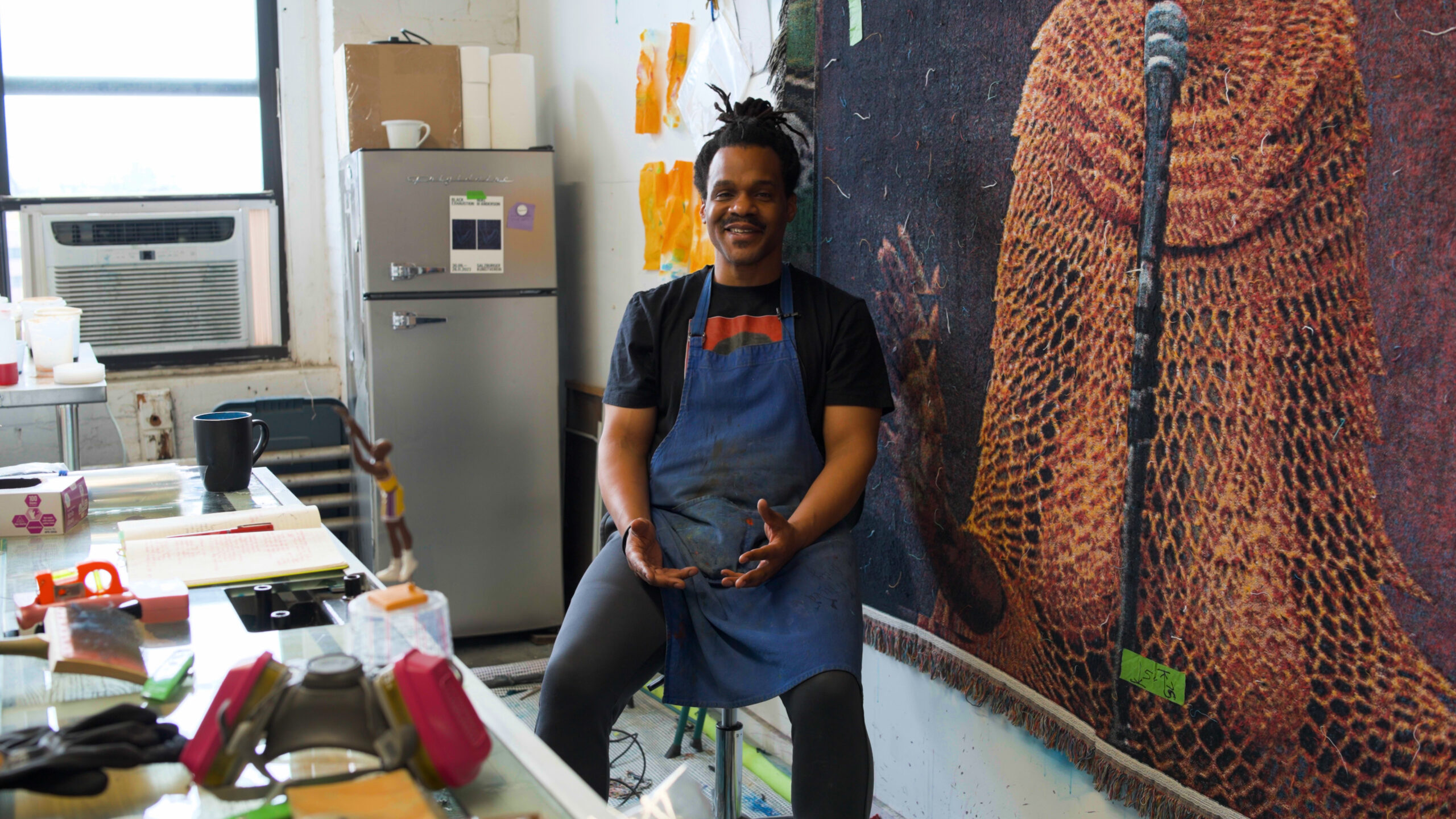
Noel W. Anderson
There’s a moment in talking to Noel W. Anderson where everything shifts from art as object to art as something closer to confession. Not performance, not presentation, but release. For him, making work isn’t about building toward a career milestone or chasing validation. It’s about leaving something behind so it doesn’t follow you. Something you
-
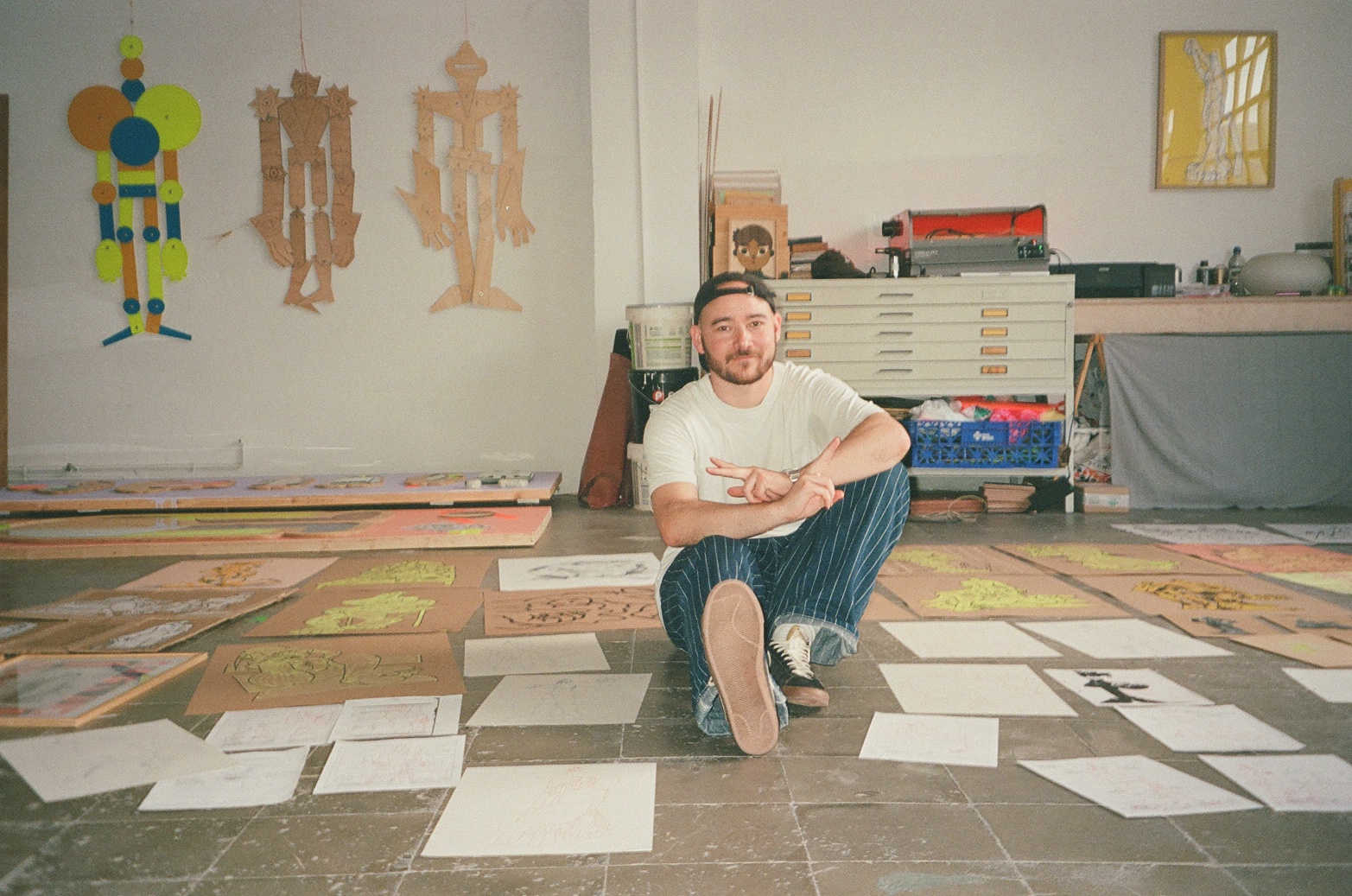
Adrien Manso
Adrien Manso describes making art as an impulse you follow without overthinking, the same way you would eat when you are hungry or swim when you want to swim. This intuitive rhythm defines his entire practice, moving fluidly between drawing, painting, design, and craft without hierarchy. Born and raised in the southwest of France, Manso’s
-
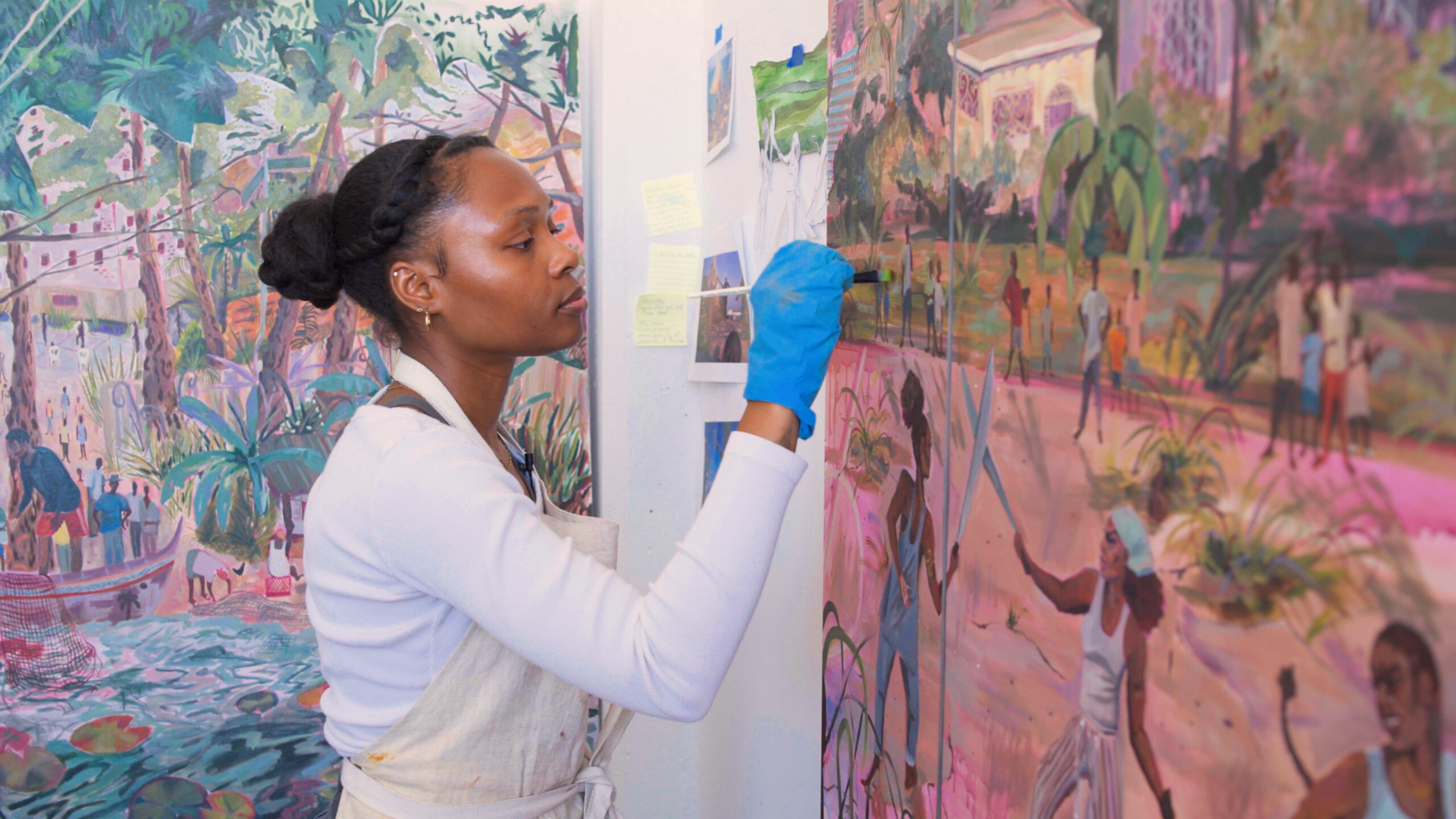
Madjeen Isaac
There’s a belief in Madjeen Isaac’s work that the world, as it exists, is not fixed. That it can be reimagined, reassembled, and cared for differently. Her paintings don’t just depict environments; they propose them. Born, raised, and based in Brooklyn, Isaac builds immersive, layered scenes that draw from her Haitian American identity, her upbringing
-
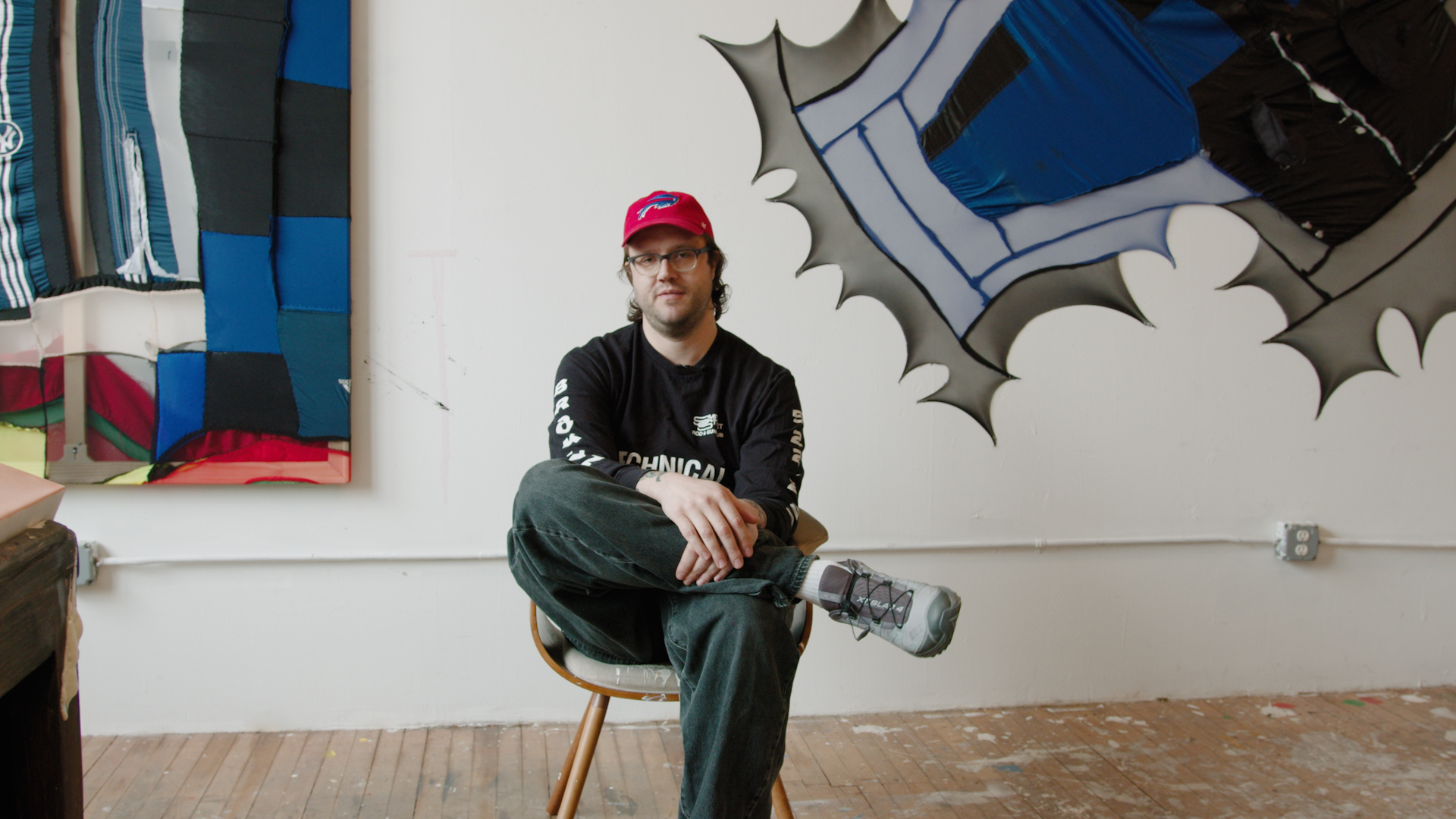
Sam Branden
There is a moment early on where Sam Brandon admits something that feels both fragile and absolute. He says it feels like he has put all his eggs in one basket, pursuing art as the only thing he is interested in at this point in his life. What follows is not hesitation but a kind
What is Timestamp?
Timestamp is a platform for meaningful conversations with the people shaping the world of art. Through intimate interviews with artists, curators, gallerists, collectors, patrons, and thinkers, Timestamp captures raw, unfiltered moments that illuminate how art is made, supported, understood, and felt. Each episode offers a window into the inner lives of artists, revealing their philosophies, obsessions, and process behind-the-scenes.